
The Ebook Opportunity: Why Now is Your Time
The internet has democratized knowledge and commerce. Ebooks are the ultimate digital product for sharing specialized knowledge because they are:
- Low Barrier to Entry: Unlike physical products, there's no inventory, shipping, or manufacturing cost. Once created, it's infinitely replicable.
- Passive Income Potential: Create it once, sell it forever. While marketing is ongoing, the core asset generates revenue without direct hourly input.
- Scalable: You can sell one or a million copies without additional cost per unit.
- Accessible: Tools for creation and design are more powerful and user-friendly than ever before.
- In-Demand: People are constantly searching for quick, actionable solutions to their problems, and ebooks deliver exactly that. Whether it's "How to Start a Podcast" or "Beginner's Guide to Sourdough," niche expertise is valuable.
This isn't about writing the next great novel. It's about packaging useful information into an easily digestible format that helps someone achieve a specific outcome.
How Do I Pick a Profitable Ebook Idea?
The foundation of a successful ebook isn't brilliant writing; it's a brilliant idea that solves a real problem for a specific audience.
Find Your Niche (and Your Audience)
Most beginners make the mistake of trying to appeal to everyone. This dilutes your message and makes it impossible to stand out. Instead, focus on a narrow niche.
- Identify Your Expertise or Passion: What are you genuinely good at? What topics do you obsess over? Even seemingly mundane skills (e.g., organizing digital files, planning simple meals, navigating specific software features) can be valuable to someone.
- Think Problem-Solution: Every great ebook addresses a pain point.
- Problem: "I want to start a side hustle but don't know what to do." -> Solution: "5 Low-Cost Side Hustles You Can Start This Weekend."
- Problem: "I can't get my toddler to sleep through the night." -> Solution: "Gentle Sleep Training Techniques for Busy Parents."
- Research Market Demand: Don't rely solely on your intuition.
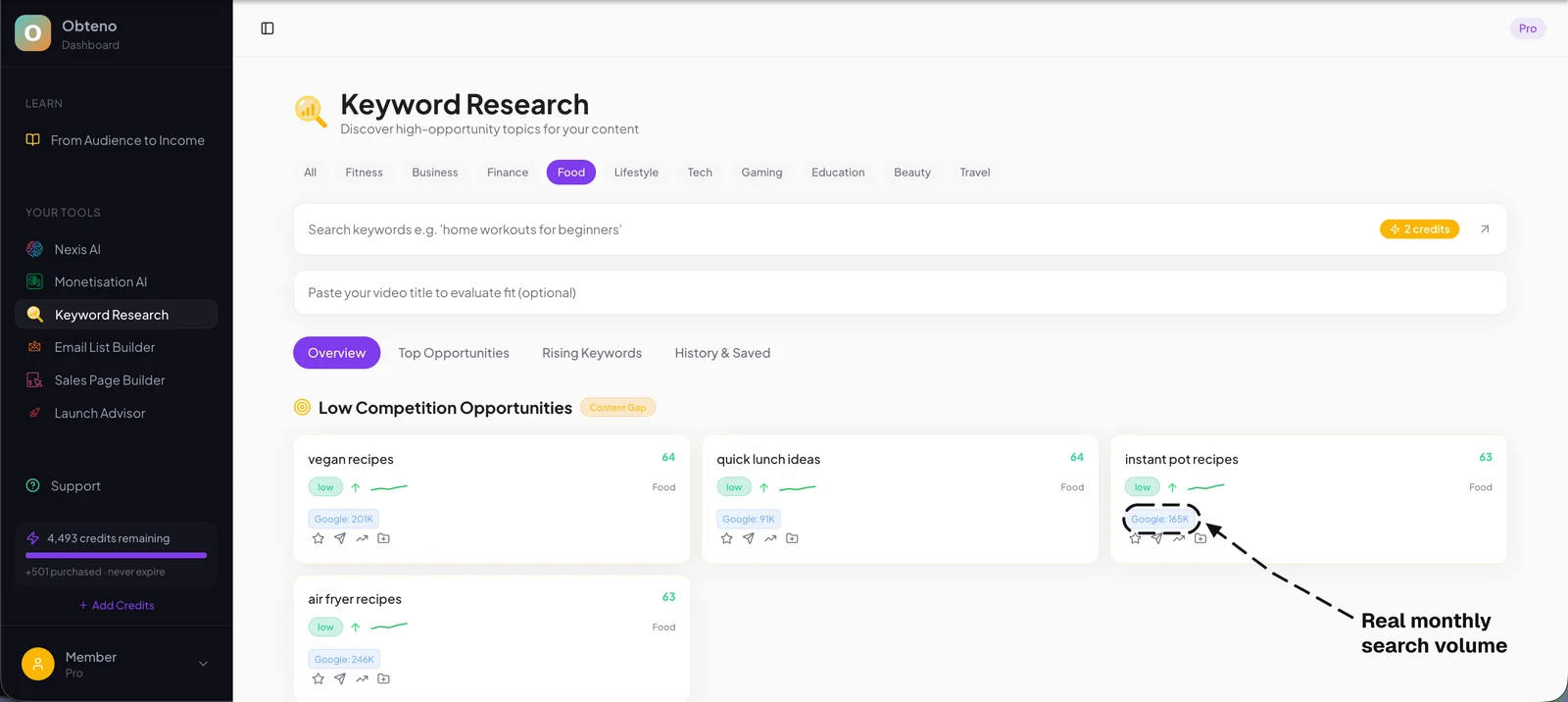
- Google Trends: See if interest in your topic is growing or declining trends.google.com.
- Amazon Kindle Store: Browse categories relevant to your idea. What are the bestsellers? What are their titles, descriptions, and reviews revealing about customer needs and gaps?
- Reddit & Facebook Groups: What questions are people asking in communities related to your niche? What are their frustrations?
- "People Also Ask" on Google: Type in a broad query related to your idea and see what follow-up questions Google suggests.
Validate Your Idea (Before You Write a Word)
Writing an ebook takes effort. Don't invest that time without knowing there's an audience willing to pay.
- Competitor Analysis: Look at existing ebooks in your niche.
- Are they selling well? (Check review counts, Bestseller ranks if on Amazon).
- What are their strengths and weaknesses?
- Can you offer a fresh perspective, more depth, a different format, or a specific angle they miss?
- Gauge Interest:
- Social Media Polls: Ask your followers if they'd be interested in an ebook on your topic.
- Email List: If you have one, send a quick survey.
- Pre-selling: Offer a "pre-order" or "interest list" signup for your ebook before it's finished. This is the ultimate validation.
Don't dismiss "obvious" ideas. What's obvious to you might be a revelation to someone else. Simple, actionable guides often outperform complex theoretical texts for beginners.
Creating Your Ebook: Beyond Just "Writing"
This is where the "not a writer" part truly shines. Your job isn't to craft beautiful sentences; it's to organize valuable information in a clear, accessible way.
The "Non-Writer's" Approach: Outline, Curate, Automate
Think of yourself as a curator and architect, not a novelist.
- Outline Religiously: This is your blueprint. Break your topic into logical sections and subsections. Each section should address a specific point or step.
- Introduction (What problem does this ebook solve?)
- Chapter 1: Understanding the Problem
- Chapter 2: The Core Solution/Method
- Chapter 3: Step-by-Step Implementation
- Chapter 4: Advanced Tips/Troubleshooting
- Resources/Checklists
- Conclusion/Next Steps
- Content Curation & Assembly:
- Existing Knowledge: Draw from your own experience, notes, blog posts, or presentations.
- Research: Gather facts, statistics, case studies, and examples from reliable sources. Paraphrase and cite where necessary.
- Templates & Checklists: These are incredibly valuable. An ebook on productivity could include a daily planner template. A recipe ebook might have a shopping list.
- Interviews: If appropriate, interview an expert (or even someone who successfully solved the problem your ebook addresses) and transcribe key insights.
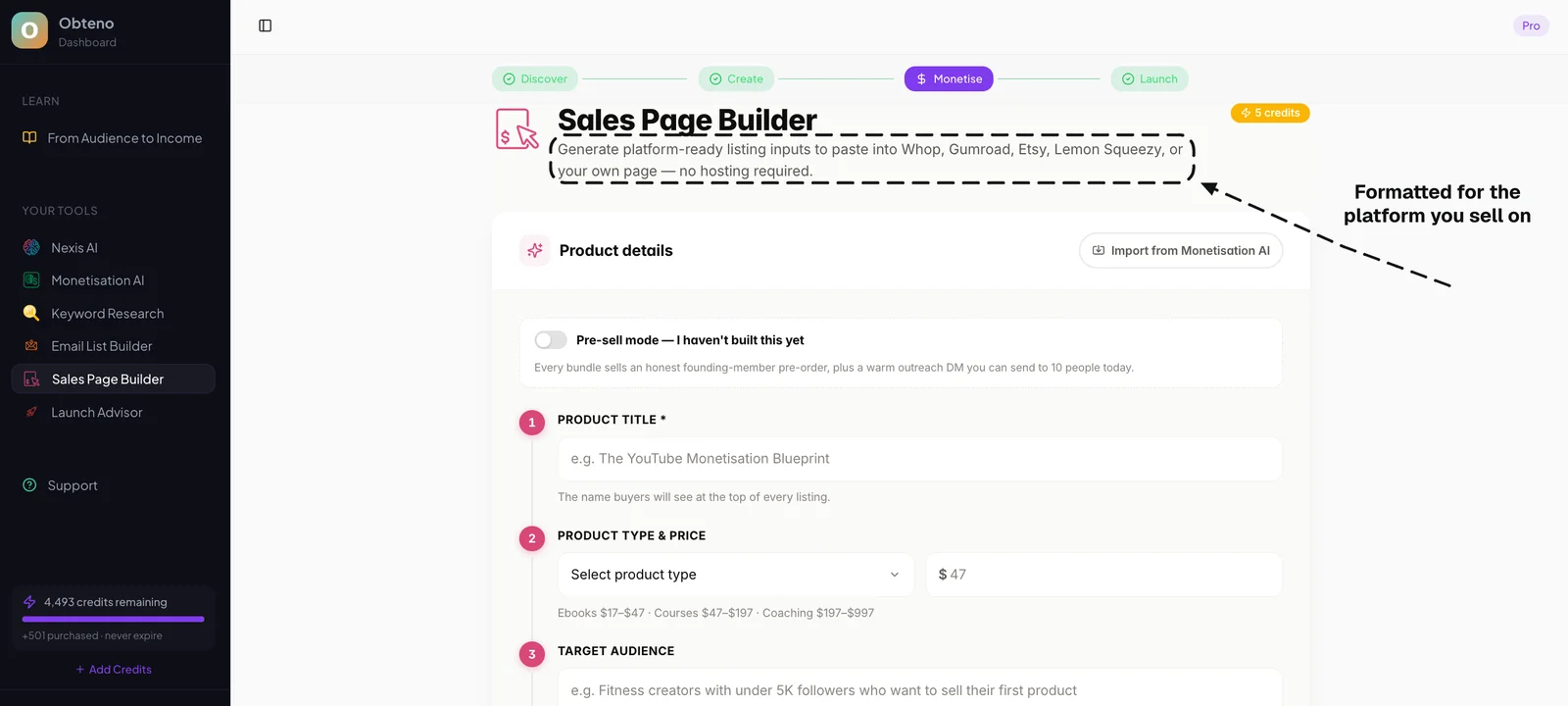
- AI for Drafting (Use with Caution): Tools like ChatGPT or Jasper can help with brainstorming, outlining, and even drafting paragraphs. However, AI output must be heavily edited, fact-checked, and injected with your unique voice and expertise. Never publish raw AI content. Use it as a starting point to overcome writer's block, not as a replacement for original thought. Obteno writes the whole book from your niche — chapters, not an outline — then designs the cover and packages the files. For someone who does not write, that is the difference between a finished book and a folder of notes.
- Focus on Clarity and Actionability:
- Use simple language.
- Break up long paragraphs.
- Use bullet points, numbered lists, and bold text for readability.
- Provide clear, actionable steps.
Structuring Your Ebook for Impact
A well-structured ebook feels professional and delivers value efficiently.
- Compelling Introduction: Hook the reader immediately by reiterating their problem and promising a solution.
- Logical Flow: Each chapter should build on the last.
- Actionable Content: Include exercises, prompts, or step-by-step instructions.
- Strong Conclusion: Summarize key takeaways and provide clear next steps or encouragement.
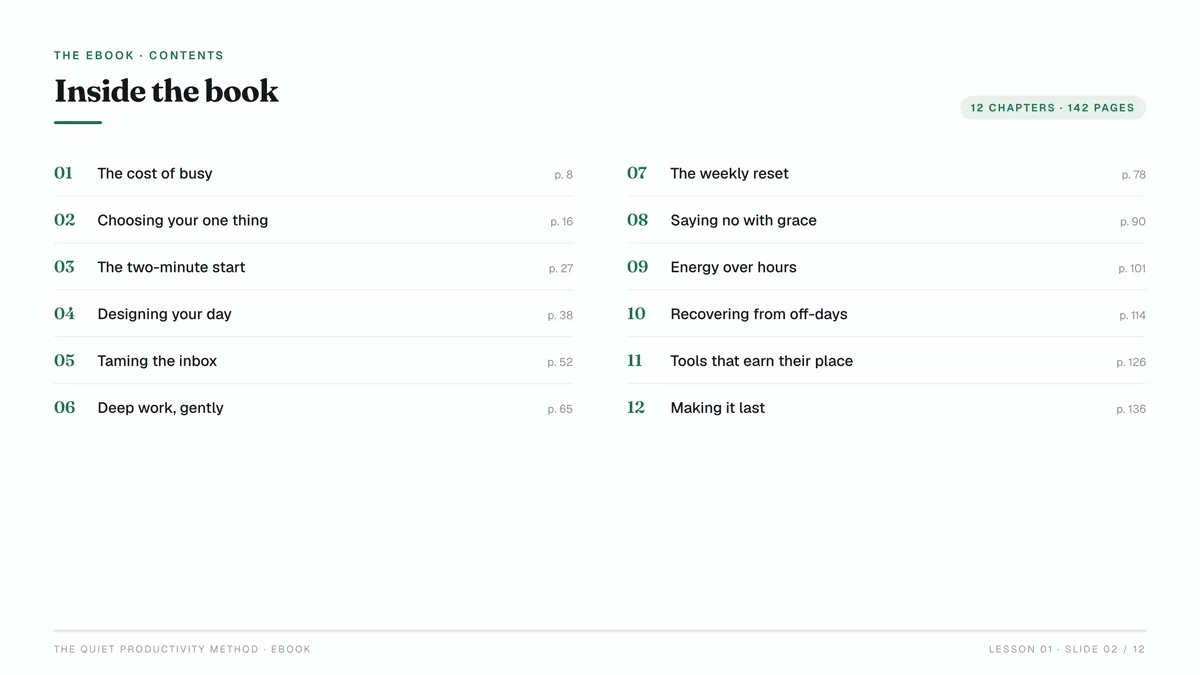
- Table of Contents: Essential for navigation.
Designing Your Ebook (Making it Look Professional)
First impressions matter. A poorly designed ebook, even with great content, will struggle to sell. You don't need to be a graphic designer.
- Cover Design: This is your primary marketing asset.
- Canva: This free (or low-cost Pro) online tool is a game-changer canva.com. Use their ebook cover templates as a starting point.
- Key Elements: Clear title, subtitle, author name, relevant image, and a clean, readable font.
- Professional Look: Avoid cluttered designs, amateurish stock photos, or hard-to-read fonts.
- Interior Layout:
- Readability: Use a legible font (e.g., sans-serif like Open Sans or Lato for digital). Ensure sufficient line spacing and margins.
- Visual Breaks: Incorporate headings, subheadings, bullet points, and even simple icons or images to break up text.
- Templates: Canva also offers interior ebook templates. Google Docs and Notion (if exporting to PDF) can also be formatted effectively.
What Tools Do I Need to Create and Sell My Ebook?
The right toolkit simplifies the process, making it accessible even if you're not tech-savvy.
Content Creation Tools
- Google Docs / Microsoft Word: For basic text editing and formatting. Easy to collaborate if needed.
- Notion: Excellent for outlining, organizing research, and structuring your content. Its block-based editor makes it easy to move sections around.
- AI Writing Assistants (e.g., ChatGPT, Jasper): As mentioned, for brainstorming, drafting, and overcoming writer's block. Use as a co-pilot, not an autopilot.
Design Tools
- Canva: The go-to for non-designers for covers, interior layouts, and promotional graphics.
- Affinity Publisher / Adobe InDesign: For professional designers who need advanced layout control. Generally overkill for a beginner's first ebook.
Selling Platforms
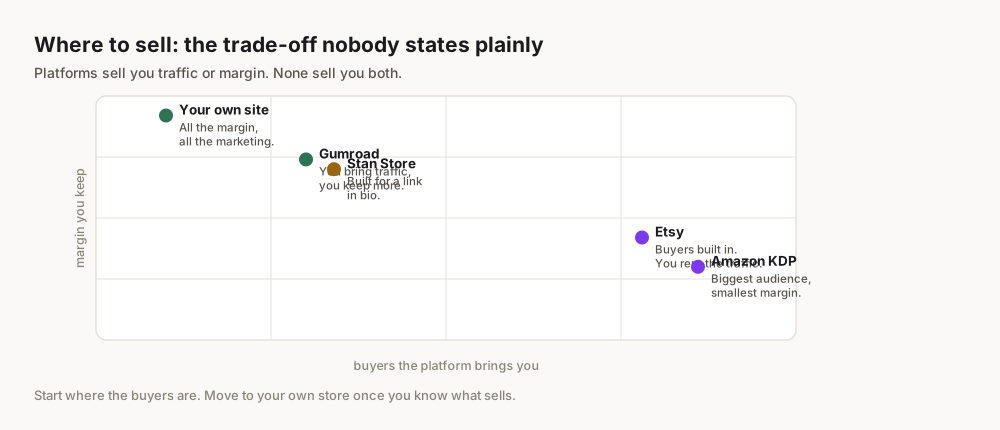
Choosing where to sell your ebook is a critical decision, impacting fees, audience reach, and ease of use.
| Feature | Gumroad | Etsy | Shopify (Self-Hosted) |
|---|---|---|---|
| Ease of Setup | Very Easy (product page in minutes) | Easy (store setup, then product listings) | Moderate (store setup, domain, payment gateway) |
| Fees | Tiered based on lifetime sales (e.g., 10% + 30¢ for new creators) gumroad.com | 6.5% transaction fee + listing fee + payment processing fee etsy.com | Monthly subscription (starts ~$29/month) + transaction fees (0.5-2%) + payment processing fees |
| Audience | Built-in creator-focused audience, direct discoverability | Massive global marketplace for handmade/vintage/craft supplies, digital products are popular | You bring your own audience (requires marketing effort) |
| Features | Email marketing, affiliate program, analytics, custom domains | Marketing tools, shop stats, Etsy Ads, community | Full control, extensive apps, SEO, custom branding, scalable for multiple products |
| Ideal For | Solo creators, quick launches, digital products, courses | Niche digital products (planners, templates, guides), creative markets | Building a brand, multiple products, full control over customer experience |
- Gumroad: My personal recommendation for most beginners. It’s incredibly simple to set up a product page and start selling. They handle payment processing and delivery. It's designed for creators and digital products.
- Etsy: If your ebook aligns with the creative, handmade, or niche digital product market (e.g., a planner template, a guide to specific craft techniques), Etsy provides a huge, engaged audience ready to buy.
- Shopify: Best if you plan to build a larger brand around multiple digital products and want complete control over your storefront and customer experience. It requires more setup and ongoing management.
- Your Own Website (e.g., WordPress with Easy Digital Downloads): Offers maximum control and lowest long-term fees, but demands the most technical expertise and marketing effort to drive traffic.
Pricing Your Ebook for Profit and Value
Pricing isn't just about covering costs; it's about signaling value and capturing the perceived worth of your solution.
How to Determine Your Ebook's Worth
- Value-Based Pricing: How much is the solution your ebook provides worth to your target audience? If your ebook helps someone save 10 hours a week or earn an extra $500, a $27 or $47 price tag might be perfectly reasonable.
- Competitor Pricing: See what similar ebooks are selling for. Don't just copy; understand why they're priced that way. Is their content more extensive, are they from a known authority?
- Psychological Pricing: Prices ending in .99 or .97 often perform well (e.g., $19.99 instead of $20).
- Tiered Pricing (Optional): Offer different versions:
- Basic: Ebook only ($19)
- Standard: Ebook + Checklist/Template ($29)
- Premium: Ebook + Templates + Video Walkthrough ($49)
Common Pricing Mistakes to Avoid
- Underpricing: Don't undervalue your expertise. Low prices can signal low quality. If your ebook genuinely solves a problem, it's worth more than a cup of coffee.
- Overpricing: If you're an unknown author, a high price tag without strong social proof (testimonials, reviews) will deter buyers. Start reasonably, then increase as you gather positive feedback.
- Static Pricing: Don't be afraid to test different price points. Start with one, see how it performs, and adjust.
Marketing Your Ebook: Getting Eyes On Your Product
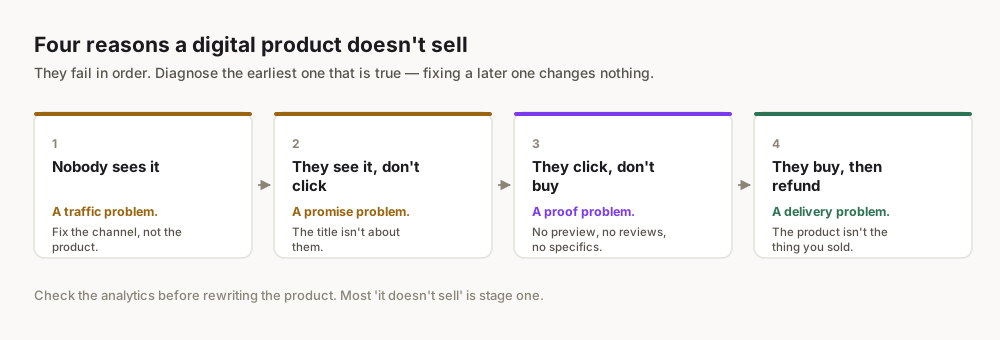
An ebook won't sell itself, no matter how good it is. Marketing is an ongoing process that starts before you even finish writing.
Building Pre-Launch Buzz
- Email List Building: This is your most valuable asset. Offer a free mini-guide, checklist, or template related to your ebook's topic in exchange for email sign-ups.
- Social Media Teasers: Share snippets, progress updates, behind-the-scenes glimpses, and ask engaging questions related to your ebook's topic.
- Content Marketing: Write blog posts, create short videos, or podcast episodes that touch on your ebook's subject matter, driving traffic back to your email list or pre-order page.
- Beta Readers: Offer early access to a select group in exchange for feedback and testimonials. These will be crucial for your launch.
Launch Strategies
- Launch Day Promotion:
- Email Blast: Announce your ebook's availability to your email list. This is often your biggest sales day.
- Social Media Blitz: Post across all your platforms.
- Introductory Discount: Offer a limited-time launch discount to create urgency.
- Affiliate Programs: Platforms like Gumroad allow you to easily set up an affiliate program. Find individuals or creators in your niche who can promote your ebook for a commission.
- Collaborations: Partner with other creators or influencers for cross-promotion.
Ongoing Promotion
- Search Engine Optimization (SEO): Optimize your product page description with relevant keywords so people searching for solutions find your ebook.
- Paid Advertising (Optional): Facebook/Instagram Ads or Pinterest Ads can be effective, but require a budget and understanding of targeting. Start small.
- Bundling & Upsells:
- Offer your ebook as part of a bundle with other digital products.
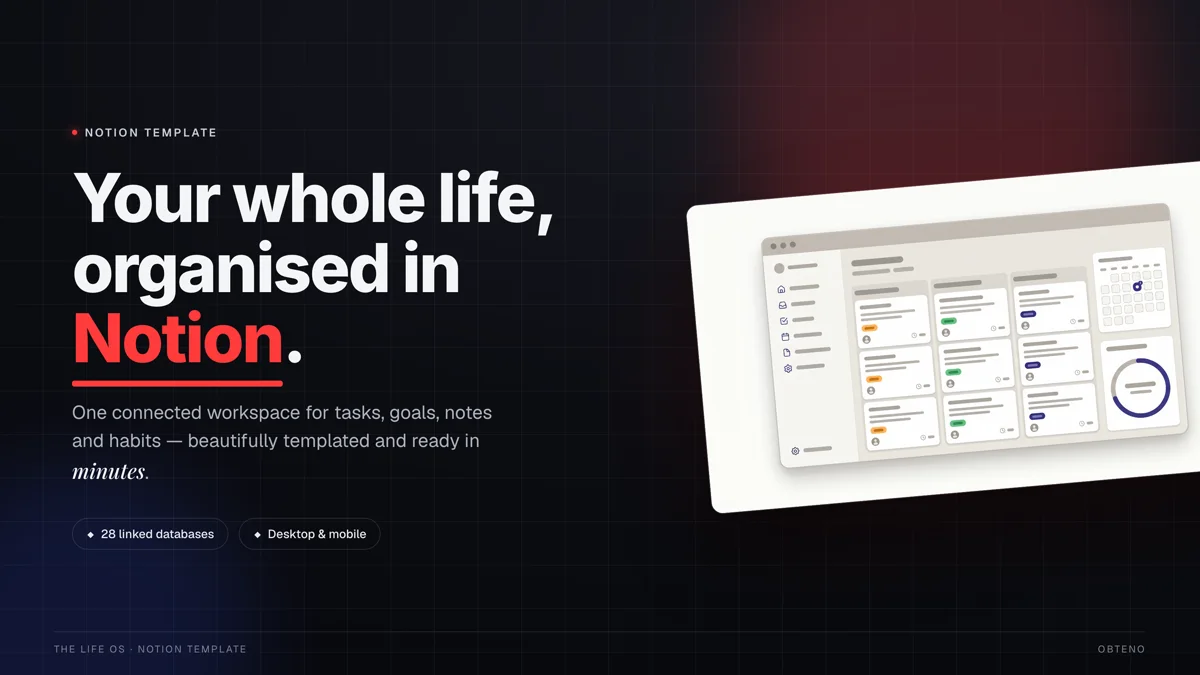
- Suggest related products (e.g., a Notion template that complements your productivity ebook) at checkout.
- Update and Refresh: Keep your ebook current. Regular updates (e.g., annual revisions) can justify continued sales and even price increases.
Launching Your Ebook: The Technical Steps
Once your ebook is written, designed, and you have a marketing plan, it's time to get it live.
Setting Up Your Product Page
Whether on Gumroad, Etsy, or Shopify, your product page is your digital storefront.
- Compelling Title & Subtitle: Clearly state what your ebook is about and the primary benefit.
- Engaging Description:
- Start with the problem your audience faces.
- Introduce your ebook as the solution.
- List key benefits and what readers will learn/achieve.
- Include a bulleted list of contents.
- Add social proof (testimonials, if you have them).
- High-Quality Cover Image: Use the professional cover you designed.
- Mockups: Display your ebook cover on device mockups (e.g., a tablet, phone) to make it look tangible. Canva has templates for this.
- Clear Call to Action: "Buy Now," "Download Instantly," etc.
Handling Payments and Delivery
This is largely automated by your chosen platform.
- Payment Gateways: Platforms like Gumroad and Etsy integrate with services like Stripe and PayPal, making it easy for customers to pay securely. If self-hosting, you'll need to set these up directly stripe.com.
- Automated Delivery: Once purchased, the ebook file (usually PDF) is automatically delivered to the customer via email or a download link on the confirmation page.
Post-Launch: Gather Feedback & Iterate
Your launch isn't the end; it's the beginning.
- Encourage Reviews: Ask satisfied customers to leave reviews or testimonials. These are vital for social proof.
- Monitor Sales & Analytics: Track what's working and what's not. Which marketing channels are driving sales?
- Gather Feedback: Listen to customer questions and suggestions. This can inform updates or even future product ideas.
- Iterate: Your ebook doesn't have to be perfect on day one. Release it, get feedback, and make improvements.
Obteno's Founder's Perspective: The Mindset for Success
As the founder of Obteno, the one revenue figure I can put my name to is my own: a $23,718 digital-product business in 60 days. What stops most people is not a lack of writing skill or technical know-how; it is the pursuit of perfection over progress.
Progress comes from rapid iteration and solving clear problems, not from waiting for a masterpiece. The key wasn't about being the best writer; it was about identifying a need, creating a valuable solution, and getting it into the hands of the right people.
Here's the mindset that truly unlocks success:
- Action Over Perfection: Launch your "minimum viable ebook." Get it out there, gather feedback, and improve it. Don't let the fear of imperfection paralyze you.
- Focus on Value: Always ask, "How does this help my reader?" If your content delivers tangible value, people will pay for it.
- Consistency is Key: Building an audience and making sales takes time and consistent effort in marketing and content creation.
- Embrace Learning: The digital landscape changes. Stay open to new tools, strategies, and feedback.
- Solve Problems: At its core, your ebook is a solution. The better you understand and address your audience's problems, the more successful you'll be.
Frequently Asked Questions
How long does it take to write and sell an ebook?
The timeline varies widely based on the ebook's complexity and your dedicated time. A focused, short ebook (50-100 pages) can be outlined, written, designed, and launched within 2-6 weeks if you work consistently. Marketing and ongoing sales efforts are continuous.
Can I really sell an ebook if I'm not a good writer?
Absolutely. The emphasis is on providing valuable information and actionable solutions, not literary prose. By focusing on outlining, clear structure, and leveraging tools like Canva for design and even AI for drafting support (with careful editing), you can create a highly professional and sellable ebook without traditional writing skills.
What's the best platform to sell an ebook?
For beginners, Gumroad is often recommended due to its extreme ease of setup and creator-friendly features. If your ebook fits a creative niche (e.g., templates, guides for crafters), Etsy can provide a large, engaged audience. For full brand control and scalability, Shopify is an excellent choice but requires more initial setup.
Do I need an ISBN for my ebook?
For most self-published ebooks sold directly or through platforms like Gumroad or Etsy, an ISBN (International Standard Book Number) is not required. ISBNs are generally needed for traditional publishing or if you intend to sell through major book retailers that require them for inventory and identification, such as Amazon KDP for print books.
How much money can I make selling ebooks?
Ebook earnings vary widely, from a few hundred dollars to tens of thousands (or more) per month. Your income depends on your niche, the value of your content, your pricing strategy, and the effectiveness of your marketing. Consistency, building an audience, and offering high-value solutions are key drivers of higher earnings.
How do I protect my ebook from piracy?
While complete piracy prevention is difficult, you can take steps. Most platforms automatically embed customer-specific watermarks (e.g., buyer's email address) into the PDF, which deters sharing. You can also use secure PDF options that restrict printing or copying, though these can sometimes hinder user experience. Focusing on delivering exceptional value and building a loyal community often makes customers less likely to pirate.