
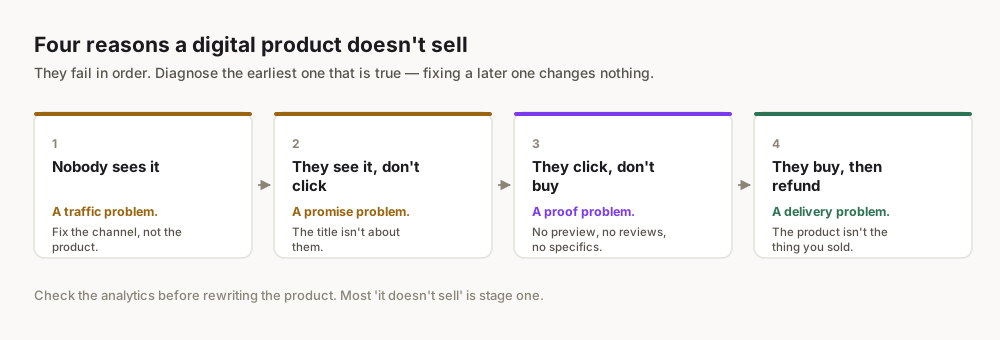
The Harsh Reality: Most Digital Products Don't Sell (And Why)
It's a scene played out daily across the internet: a creator, full of optimism and hard work, launches a beautiful new ebook, a carefully crafted template, or an insightful online course. They hit publish, then wait. And wait. The sales dashboard remains stubbornly at zero, or perhaps a trickle of unenthusiastic single-digit figures.
If this sounds familiar, you're not alone. The digital product market is booming, but that growth doesn't guarantee your success. The truth is, while the barrier to entry is lower than ever, the barrier to selling successfully has never been higher. Most digital products — upwards of 90% by some estimates for new creators — fail to generate significant income. The good news? This isn't usually due to a lack of talent or effort on your part, but rather a predictable set of common pitfalls that, once identified, are entirely fixable.
The biggest mistake we see most beginners make isn't with the product itself, but with the approach to selling it. They build first, then wonder why it's not selling. The secret to transforming those zeros into substantial sales isn't about working harder; it's about working smarter, understanding the core reasons for failure, and implementing targeted fixes. This guide will walk you through the seven critical areas where digital products often stumble and provide actionable strategies to get yours flying off the virtual shelves in 2026 and beyond.
Is Your Product Actually Good? The Foundation of Sales
Before you blame your marketing, your platform, or the fickle finger of fate, you need to conduct an honest, objective audit of your product itself. A weak product is like building a mansion on sand – no amount of marketing wizardry will sustain it.
Solving a Real Problem
This is the bedrock of any successful product, digital or otherwise. Does your product genuinely address a specific pain point, fulfill a clear need, or help someone achieve a desired outcome? Many creators fall in love with an idea without first validating its market demand.
- The "Nice-to-Have" Trap: Is your product a "nice-to-have" or a "must-have"? A beautiful wallpaper pack is nice, but a template that saves a small business owner 10 hours of work a week is a must-have. Must-haves sell.
- Undefined Audience: Who exactly is this product for? What problem do they have? If you can't articulate this clearly, your product is likely too broad or too niche for the wrong audience.
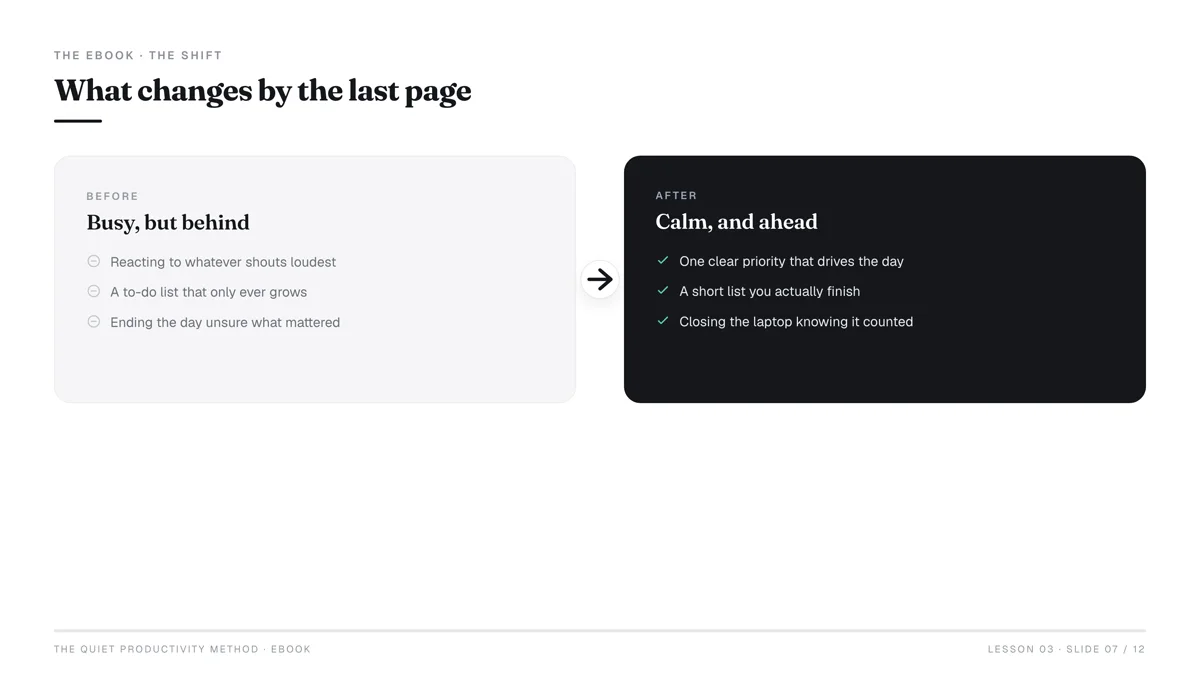
- Lack of Transformation: People don't buy products; they buy better versions of themselves. What transformation does your product offer? Does it promise to make them more efficient, more creative, more organized, or more knowledgeable?
Before you build, spend 80% of your time researching your audience's pain points. Join forums, read reviews of competing products, and ask direct questions. The "aha!" moment for your product should come from them, not just from your own brilliant idea.
Quality & Polish
Even if your product solves a problem, if it's poorly executed, buggy, or looks unprofessional, it won't sell. In a crowded market, quality is a differentiator.
- Professional Design: Whether it's an ebook, a template, or a course, visual appeal matters. Use consistent branding, readable fonts, and high-quality graphics. Tools like Canva make professional design accessible to everyone.
- Flawless Functionality: If it's a template, does it work perfectly? If it's an ebook, is it well-edited and free of typos? If it's a software tool, is it intuitive and bug-free? Any friction diminishes value.
- Comprehensive Content: Does your product deliver on its promise fully? If it's a guide, does it cover everything it claims? If it's a course, are there any gaps in the lessons? Over-deliver where possible.
Uniqueness & Value Proposition
What makes your product different or better than the countless others out there? If you can't articulate a clear differentiator, your product will drown in a sea of similar offerings.
- The Unique Selling Proposition (USP): This is the one thing that sets you apart. Is it a unique methodology, a specific niche focus, a particular design aesthetic, or an unparalleled level of support?
- Standing Out from the Crowd: A quick search on Etsy for "digital planner" or on Gumroad for "notion template" reveals thousands of results. Your product needs a reason to be chosen over the others. This could be a unique bundle, a specific angle, or superior design.
- Perceived Value: This isn't just about price; it's about what the customer believes they are getting. A well-designed product that solves a real problem and is presented professionally will always have higher perceived value.
Are You Reaching the Right People? Audience & Market Fit
You could have the most brilliant digital product ever created, but if it's sitting in a corner where your ideal customers never look, it won't sell. Marketing isn't just about promotion; it's about connecting the right product with the right person.
Defining Your Ideal Customer
This is the single most critical step in marketing. If you try to sell to everyone, you'll sell to no one.
- Demographics & Psychographics: Go beyond age and location. What are their interests, values, fears, aspirations, and daily struggles related to your product?
- Pain Points & Desires: What specific problems does your ideal customer face that your product solves? What goals do they have that your product helps them achieve?
- Customer Avatar: Create a detailed profile of your ideal customer. Give them a name, a job, hobbies, and even imagined quotes about their struggles. This makes them real and helps you tailor your messaging.
- Where Do They Hang Out? Which social media platforms do they use? What blogs do they read? Which communities do they belong to? This informs your distribution and marketing strategy.
Where Does Your Audience Hang Out?
Once you know who your ideal customer is, you need to know where to find them.
- Social Media: Different platforms attract different demographics and serve different purposes. Is your audience on Instagram (visuals), LinkedIn (professionals), TikTok (short-form video), or Pinterest (discovery)?
- Online Communities: Reddit subreddits, Facebook groups, Discord servers, and niche forums are goldmines for understanding and engaging with your target audience. Participate genuinely, don't just spam.
- Blogs & Publications: Are there specific industry blogs, online magazines, or newsletters your audience subscribes to? Explore guest posting opportunities or advertising on these platforms.
- Search Engines: What keywords do they use when searching for solutions like yours? Google Trends can offer valuable insights here. Optimizing your product listings and website for these keywords is crucial.
Validating Demand (Before You Build)
Many creators build a product andthenlook for an audience. The smart play is to validate demandbeforeyou invest significant time and effort.
- Surveys & Interviews: Directly ask your potential audience what problems they have and what solutions they'd pay for.
- Pre-Sales & Waitlists: Gauge interest by offering a product for pre-order or building an email waitlist before it's even finished. This gives you concrete data on demand.
- Minimum Viable Product (MVP): Launch a basic version of your product to a small audience to gather feedback and test the waters. Refine based on real-world usage.
- Competitor Analysis: Look at what similar products are selling well. What are their strengths? What are their weaknesses? Where can you carve out a unique space?
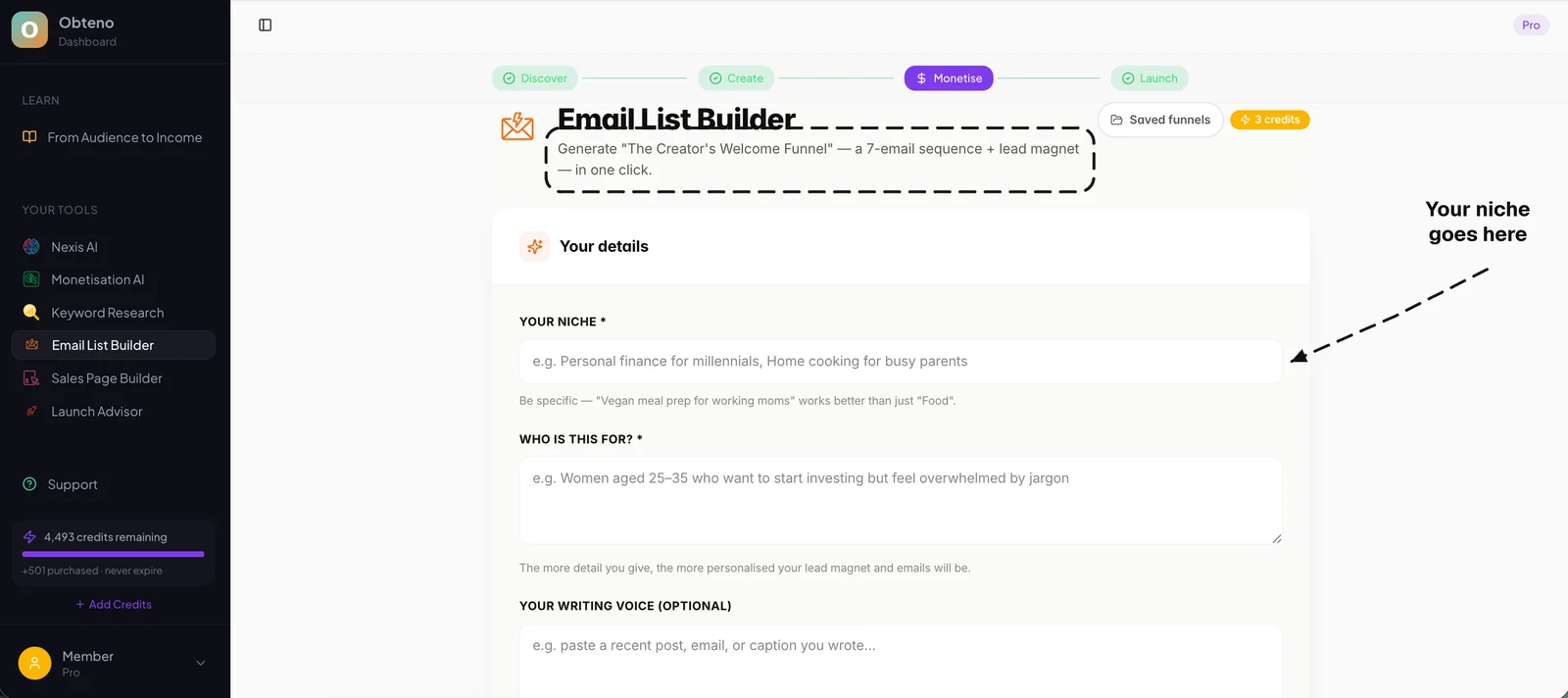
Building your first product as you read this? Obteno's free course walks you through every step — completely free, no card needed.
Is Your Offer Irresistible? Pricing & Packaging
Pricing a digital product isn't just about picking a number; it's a strategic decision that impacts perceived value, sales volume, and ultimately, your profitability. Many products fail because they are either drastically underpriced (undermining perceived value) or overpriced (deterring buyers).
Value-Based Pricing Strategies
Instead of pricing based on your time or effort, price based on the value your product delivers to the customer.
- Cost-Benefit Analysis: If your template saves someone 10 hours a week, and their time is worth $50/hour, that's $500 in value. A $50 template suddenly looks like a steal.
- Psychological Pricing: Prices ending in .99 often perform better. Odd numbers can imply a discount or a bargain. Anchor pricing (showing a higher "original" price) can also be effective.
- Tiered Pricing: Offer different versions of your product at various price points to cater to different segments of your audience. This is often more effective than a single price.
Tiered Offers & Bundles
Don't just sell one thing. Create options that appeal to different budgets and needs, and increase your average order value.
- Basic vs. Premium: A "basic" version might include just the core product, while a "premium" version adds bonuses, templates, or extended support.
- Bundles: Combine several related products into a single, discounted package. For example, an ebook on social media marketing could be bundled with a set of social media templates.
- Upsells & Downsells: Once a customer commits to a purchase, offer a related, slightly more expensive upsell (e.g., "Add the advanced Notion pack for just $10 more!") or a cheaper downsell if they decline the initial offer.
The Psychology of Price
Pricing isn't purely rational; it's heavily influenced by perception and context.
- Anchoring Effect: Presenting a higher-priced item first (even if it's just a "compare at" price) makes subsequent, lower-priced items seem more attractive.
- Perceived Scarcity/Urgency: Limited-time offers or limited stock can encourage immediate purchases, though this must be used ethically and truthfully.
- Social Proof: Seeing that others have bought a product, especially at a particular price point, can validate the value for new buyers.
Are You Communicating Value Effectively? Messaging & Marketing
Even a fantastic product with perfect pricing won't sell if its value isn't clearly and compellingly communicated. Your marketing message is the bridge between your product and your customer's desire.
Crafting Compelling Sales Copy
Your words are your most powerful sales tool. They need to grab attention, explain value, and inspire action.
- Focus on Benefits, Not Features: Customers don't care that your course has 10 modules; they care that those 10 modules will help them double their income.
- Speak Your Audience's Language: Use the same words, phrases, and metaphors your ideal customer uses to describe their problems and aspirations.
- Headline Hook: Your headline is the most important piece of copy. It needs to stop the scroll and make the reader want to know more.
- Clear Call to Action (CTA): Tell people exactly what you want them to do ("Buy Now," "Download Instantly," "Enroll Today"). Make it prominent and unambiguous.
- Storytelling: People connect with stories. How did you (or others) overcome the problem your product solves? What transformation did they experience?
Visuals That Convert
Humans are visual creatures. High-quality images, videos, and mockups are crucial for selling digital products.
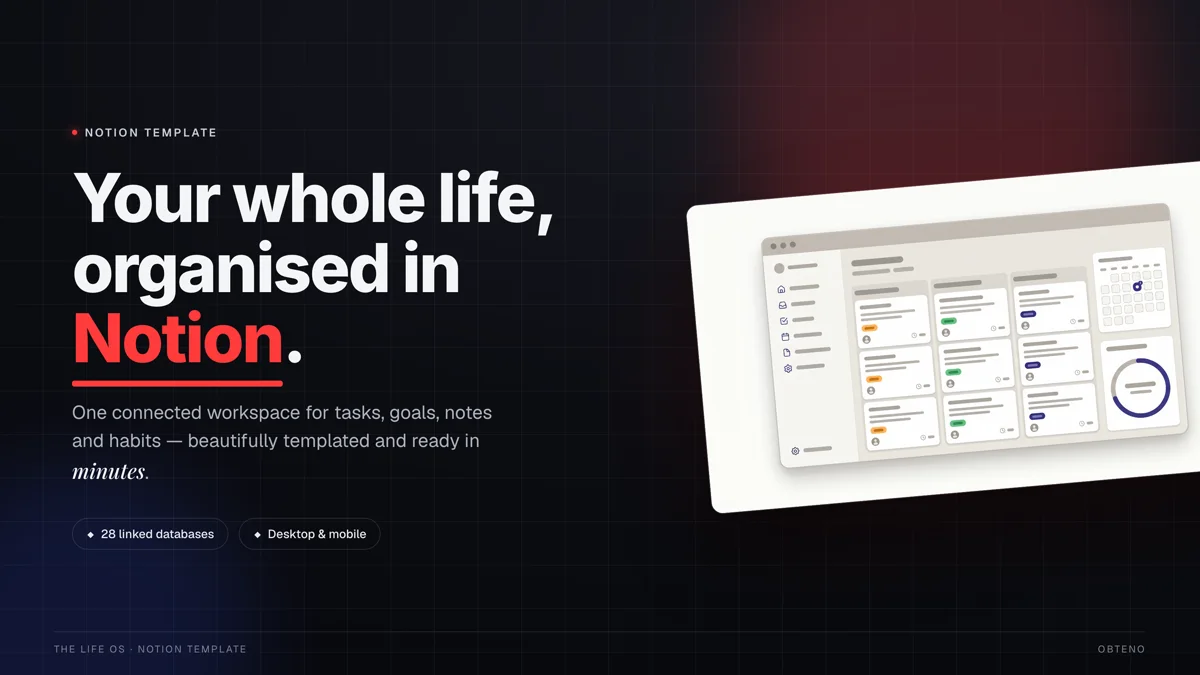
- High-Quality Product Mockups: Instead of just showing a flat image of your ebook cover, show it mocked up on a tablet or a laptop. Make your digital product feel tangible.
- "In Use" Examples: Show your templates filled out, your planner being used, or your course interface in action. This helps customers visualize themselves using and benefiting from the product.
- Branding Consistency: Ensure all your visuals align with your brand's aesthetic, creating a cohesive and professional experience.
- Video Demonstrations: For complex products, a short video walkthrough can explain features and benefits far better than text alone.
Building Trust & Authority
In a world full of digital noise, trust is paramount. People buy from those they know, like, and trust.
- Social Proof: Testimonials, reviews, ratings, and even sales numbers (if you have them) build credibility. Encourage satisfied customers to leave reviews.
- Guarantee/Refund Policy: Offering a money-back guarantee reduces buyer risk and demonstrates your confidence in your product.
- Transparency: Be clear about what your product offers (and what it doesn't). Honesty builds long-term trust.
- Expertise: Share your knowledge and insights through blog posts, social media content, or free resources related to your product's niche. Position yourself as an authority.
Where Are You Selling It? Platform & Distribution
The platform you choose to sell your digital product on significantly impacts your reach, ease of use, and profitability. There's no one-size-fits-all answer; the best platform depends on your product, your audience, and your technical comfort level.
Choosing the Right Platform
Each platform comes with its own advantages and disadvantages, from audience access to customization and fees.
| Feature | Dedicated E-commerce (e.g., Shopify, Gumroad) | Marketplace (e.g., Etsy, Creative Market) | Course Platform (e.g., Teachable, Thinkific) |
|---|---|---|---|
| Audience Access | Build your own (harder) | Built-in (easier, but competitive) | Built-in (course-focused) |
| Customization | High (full control over storefront) | Low (limited to platform templates) | Moderate (branding, lesson structure) |
| Fees | Monthly subscription + transaction fees | Listing fees + transaction fees | Monthly subscription + transaction fees |
| Control | Full control over customer data, branding | Limited control, platform rules | Good control over course, less over branding |
| Ideal For | Established brands, diverse product lines | Niche digital goods (planners, templates) | Video courses, memberships |
| Technical Skill | Moderate to High | Low | Low to Moderate |
- Etsy: Ideal for highly visual, niche digital products like planners, templates, clipart, and mockups. Benefits from a massive, engaged audience actively searching for these types of products.
- Gumroad: A fantastic all-in-one solution for creators. Easy to set up, minimal fees until you scale, and handles payments, delivery, and even basic email marketing. Great for ebooks, templates, software, and small courses.
- Shopify: Best for creators with a broader range of digital products, physical products, or who want complete control over their brand and customer experience. Requires more setup and potentially higher costs.
- Dedicated Course Platforms: For educators, platforms like Teachable or Thinkific offer robust tools for hosting video lessons, quizzes, and community features.
Leveraging Multiple Channels
Don't put all your eggs in one basket. Diversifying your distribution channels can significantly expand your reach.
- Your Own Website/Blog: This is your home base. Even if you sell on marketplaces, drive traffic back to your site where you have full control over the customer journey and can collect email addresses.
- Email Marketing: Building an email list is one of the most powerful assets for any digital product creator. It allows you to directly communicate with interested prospects and nurture leads.
- Social Media Promotion: Actively share your products and valuable related content on platforms where your audience spends time.
- Affiliate Marketing: Partner with other creators or influencers in your niche to promote your product in exchange for a commission.
- Paid Advertising: Platforms like Facebook Ads, Google Ads, or Pinterest Ads can provide highly targeted traffic if managed effectively. Start small and test.
Optimizing Your Sales Page
Regardless of where you sell, your product's sales page is your digital storefront. It needs to be clear, compelling, and convert visitors into buyers.
- Clear Headline & Subheadline: Immediately tell visitors what the product is and its main benefit.
- Problem-Solution Framework: Articulate the problem your product solves, then present your product as the ideal solution.
- Visuals & Mockups: As discussed, show your product in action.
- Benefit-Oriented Copy: Focus on how the product will improve the customer's life.
- Social Proof: Embed testimonials, ratings, or "as seen on" badges.
- FAQs: Address common questions and objections upfront.
- Strong Call to Action: Make it impossible to miss.
- Mobile Responsiveness: Ensure your page looks and functions perfectly on all devices. A significant portion of online traffic comes from mobile.
What Happens After the Sale? Customer Experience & Iteration
Many creators think the journey ends at the sale. In reality, it's just the beginning. A positive post-purchase experience leads to repeat customers, referrals, and invaluable feedback for product improvement.
Post-Purchase Support & Feedback
How you handle customers after they buy can turn a one-time purchase into a loyal advocate.
- Clear Delivery Instructions: Ensure customers can easily access and download their product. Provide instructions if necessary.
- Responsive Support: Be available to answer questions or troubleshoot issues promptly. Even a simple automated email checking in can make a difference.
- Feedback Collection: Actively solicit feedback through surveys, direct emails, or review requests. Ask what they loved, what could be improved, and if there were any pain points.
- Building a Community: For courses or memberships, a private Facebook group or Discord server can foster a sense of belonging and provide ongoing value.
Data-Driven Improvements
Your sales data and customer feedback are goldmines for making your product and marketing even better.
- Analyze Sales Metrics: Look beyond just total sales. Which products sell best? When do they sell? Which marketing channels bring the most conversions? Most platforms (Gumroad, Shopify, Etsy) provide detailed analytics.
- Conversion Rate Optimization (CRO): Test different headlines, images, pricing, and calls to action on your sales pages. Even small tweaks can lead to significant increases in sales.
- Iterate on Your Product: Based on feedback, release updates, add new features, or create complementary products. Show your customers you're listening and continuously improving.
- A/B Testing: Test two versions of an element (e.g., two different product images, two different headlines) to see which performs better. This is a powerful way to optimize.
The Power of Community
Engaging with your customers and building a community around your brand can be a powerful sales driver.
- Loyalty Programs: Reward repeat customers with discounts or exclusive access.
- User-Generated Content: Encourage customers to share how they use your product. This acts as authentic social proof.
- Exclusive Content: Offer subscribers or past customers exclusive access to new releases, beta tests, or members-only content.
- Word-of-Mouth Marketing: Happy customers are your best marketers. Provide them with an exceptional experience, and they will spread the word.
Fixing a digital product that isn't selling is rarely about one magic bullet. It's a holistic process of continuous improvement across product quality, audience understanding, strategic pricing, compelling messaging, optimal distribution, and exceptional customer experience. By systematically addressing these areas, you can transform your digital product from a silent shelf-sitter into a consistent revenue generator.
Frequently Asked Questions
How long does it take to start selling digital products successfully?
There's no fixed timeline, but sustained success typically takes 3-6 months of consistent effort. Initial sales can happen quickly, but building momentum, gathering reviews, and optimizing your strategy for consistent income is a gradual process.
What's the biggest mistake beginners make when launching a digital product?
The most common mistake is creating a product in isolation without validating market demand or understanding their ideal customer's specific pain points. This often leads to a "solution looking for a problem."
Should I offer my digital product for free initially?
Offering a free "lead magnet" (a smaller, valuable piece of content) is excellent for building an email list. However, consistently giving away your main product can devalue it. Consider free trials or limited free versions if your product allows, but generally, price your product from the start to establish its worth.
How do I get my first reviews or testimonials?
Start by asking early buyers directly for feedback and reviews. Offer a small discount on a future purchase, or provide exceptional customer service to encourage positive experiences. You can also reach out to friends, family, or your existing network for honest feedback and initial support.
Is it too late to start selling digital products in 2026?
Absolutely not. The digital product market continues to grow, with new niches and demands emerging constantly. Success in 2026 and beyond hinges on your ability to identify specific problems, offer high-quality solutions, and adapt your marketing to evolving platforms and consumer behaviors.
What's a good conversion rate for a digital product sales page?
Conversion rates vary significantly by industry, product type, and traffic source. For digital products, a good conversion rate can range from 1% to 5% or even higher for highly optimized pages and targeted traffic. Anything above 2% is generally considered solid for a beginner.