
What Does "Repurposing Content" Actually Mean?
Repurposing content means taking existing material and transforming it into a new format or type of product. It's not just copy-pasting. It's about adding value, reorganising, and presenting it in a way that solves a specific problem for a specific person.
Think about it this way: you have a blog post on "10 Tips for Better Sleep." Repurposing isn't making another blog post. It's turning that blog post into an ebook. Or a checklist. Or a guided meditation audio file. The core information is the same, but the delivery and perceived value are different.
It's efficient. You've already done the research, the writing, the thinking. All the heavy lifting is complete. Now you're just packaging it differently. This saves you hours, sometimes days, compared to creating something from scratch.
The goal is to extend the life and reach of your content. A single idea can serve multiple purposes. A single piece of content can generate multiple income streams. You're leveraging your existing intellectual property. You're building a deeper catalogue without starting over every time.
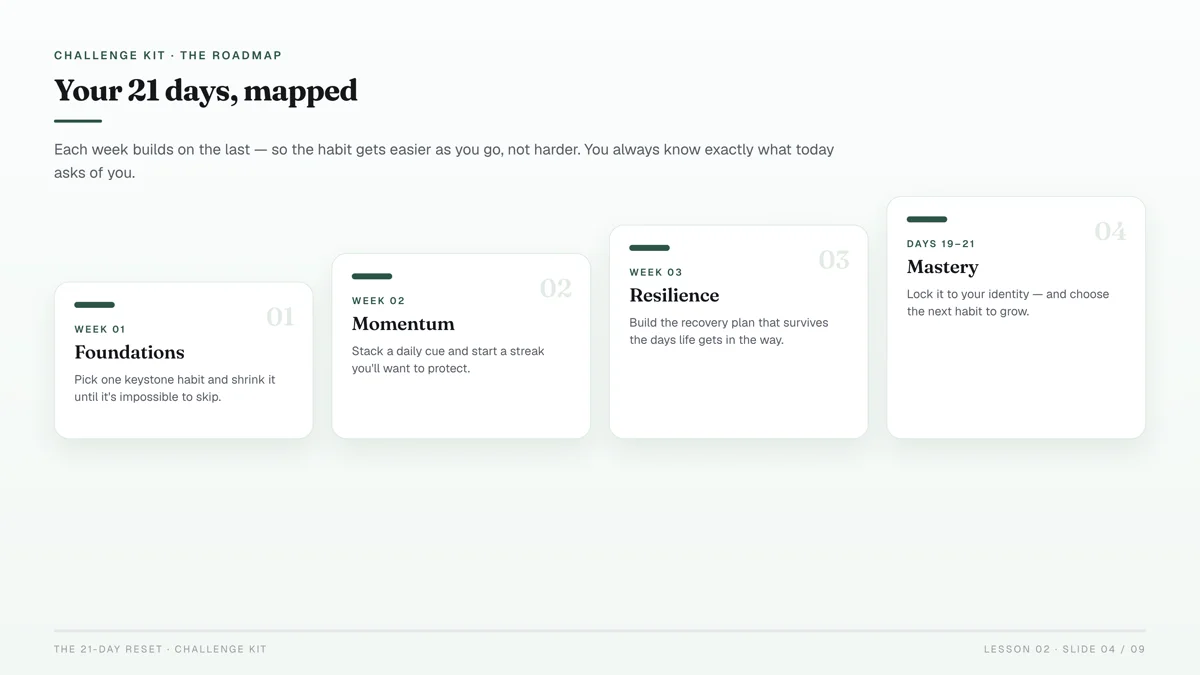
Don't just re-package. Re-imagine. Consider what problem your original content solved, then think about what new format would solve that problem more directly or conveniently for a paying customer. A blog post might educate, but an interactive spreadsheet template enables action.
Why Bother Repurposing Your Content for 2026?
The online world is saturated with content. You know this. Every niche has thousands of blogs, videos, and podcasts. Standing out by simply creating more content is harder than ever. Repurposing is a smarter strategy.
First, it's about efficiency. You've spent hours creating your original content. Why let it die after a few weeks on a social feed or page two of Google? Extracting more value from that initial investment makes sense. It's the highest leverage activity you can do.
Second, it expands your audience. Not everyone consumes content in the same way. Some people prefer reading an ebook, others want a video course, and some need a template to just get started. By offering your knowledge in different formats, you reach more people. You cater to different learning styles and preferences.
Third, it builds authority. When you have a blog post, a video, and an ebook all on the same topic, you solidify your position as an expert. You demonstrate depth and commitment to your niche. People trust creators who offer comprehensive solutions.
Fourth, it creates new revenue streams. This is often the biggest motivator. A free blog post becomes a paid ebook. A series of social media tips becomes a premium email course. You monetise your expertise directly. This moves you beyond relying solely on ads or affiliate links, which can be inconsistent.
Fifth, it's a solid strategy for 2026. The shift towards creators owning their audience and their products is accelerating. Relying on platforms for discovery is risky. Building your own product line gives you control. It diversifies your income and future-proofs your business. Digital products have low overheads. You create it once, and you can sell it indefinitely.
Open a spreadsheet right now. List every piece of content you've created in the last year.
How Do You Choose What Content to Repurpose?
Not all content is created equal when it comes to repurposing. Some pieces are perfect candidates. Others are best left as they are. Here's how to decide.
Look for Evergreen Content
Evergreen content is information that remains relevant over time. A guide on "how to use a specific software version" might be outdated in six months. A guide on "how to write compelling headlines" will be useful for years. Focus on topics that don't expire quickly. These pieces have a longer shelf life as digital products.
Check for High Engagement
Your existing analytics are your best friend here. Which blog posts get the most traffic? Which videos have the most views and comments? Which social media posts generated the most shares or saves? High engagement signals demand. People are already interested in this topic. This reduces your risk.
Don't just look at page views. Look at time on page, bounce rate, and comment sections. A post with high time on page means people are genuinely interested. Comments often reveal follow-up questions or specific problems people still have, which can guide your product format.
Identify Content that Solves a Specific Problem
Digital products sell because they solve a problem. Your content should already be doing this. Is there a clear pain point your content addresses? "How to organise your digital files." "A beginner's guide to investing." "Strategies for reducing stress." These are all problem-solution topics. The more specific the problem, the easier it is to position your digital product.
Consider Your Audience's Needs
You know your audience. What are their biggest struggles? What do they often ask you about? What do they consistently try to achieve? If you have an email list, send a quick survey. Ask them what kind of resources they'd pay for. This direct feedback is invaluable.
Evaluate Content Depth
A shallow blog post might not have enough material for an ebook. But a comprehensive guide with multiple sub-sections often does. Look for content that already has significant depth or could easily be expanded. You want to deliver real value in your product.
Here's a quick decision-making table:
| Content Characteristic | Good for Repurposing? | Why? |
|---|---|---|
| Evergreen | Yes | Long-term relevance, consistent demand. |
| High Engagement | Yes | Proven interest, reduces market risk. |
| Solves Specific Problem | Yes | Clear value proposition, easy to sell. |
| Timely/News-based | No | Quick to expire, requires constant updates. |
| Shallow/Brief | No (usually) | Not enough substance for a paid product, low value. |
| Complex/Technical | Yes | Can be simplified into templates or guides. |
Open Google Trends now. Type in your top 3 content ideas. See if interest is stable or growing https://trends.google.com/trends/.
Selecting Your Digital Product Type
Once you know what content to repurpose, you need to decide how. The format matters as much as the content itself. Different product types suit different problems and audiences.
Here are some of the most popular and effective digital product types:
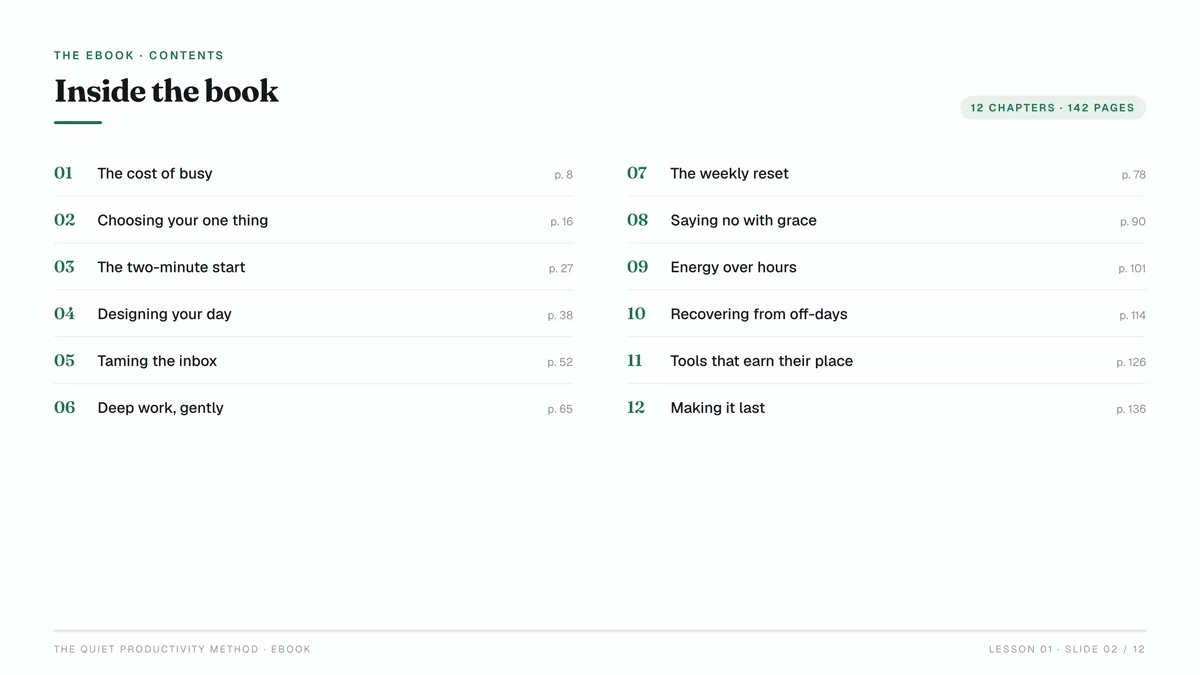
- Ebooks/Guides: This is the most common starting point. A collection of your best blog posts on a topic, organised, edited, and expanded. Add an introduction, conclusion, and perhaps some exercises. They are relatively easy to create and deliver.
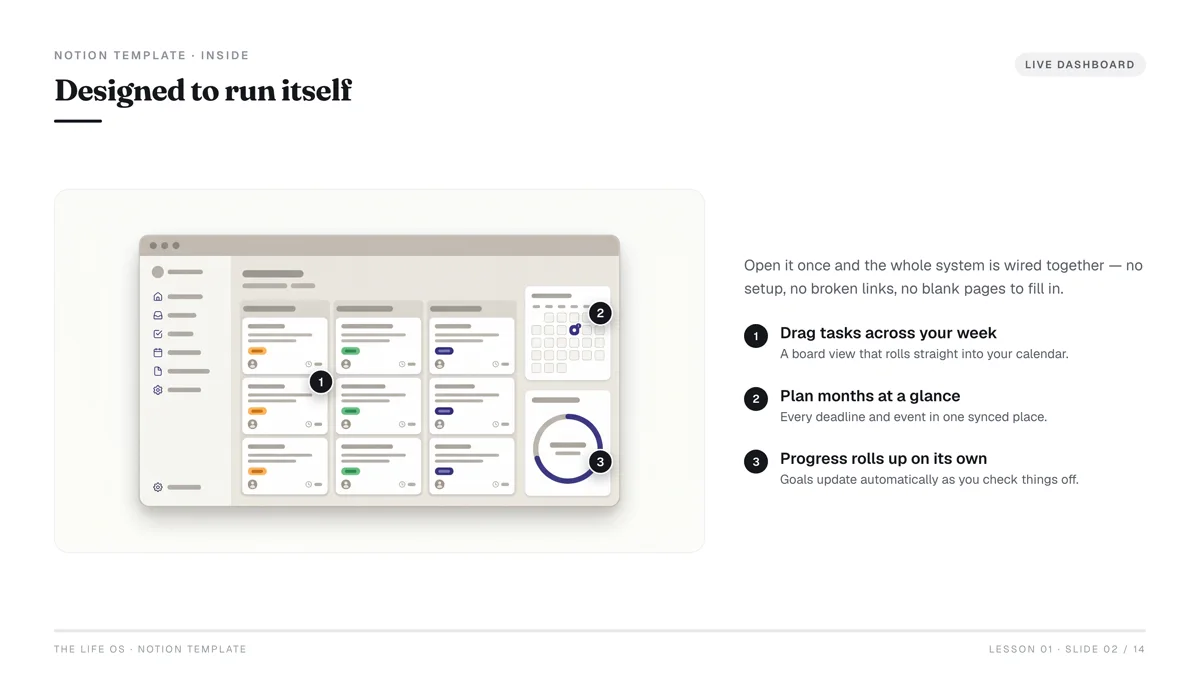
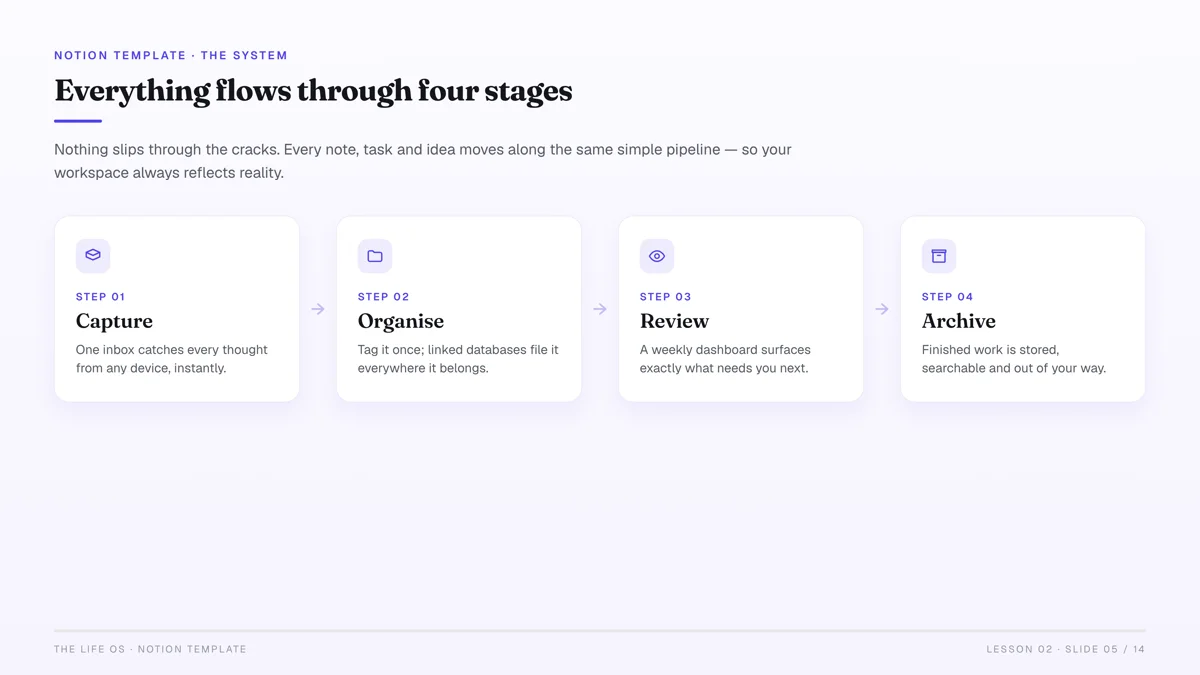
- Templates: Highly valuable because they save people time and effort. Think Notion templates https://www.canva.com/learn/notion-template/, Canva templates https://www.canva.com/templates/, spreadsheet templates (budget planners, content calendars), email scripts, or proposal outlines. People pay for done-for-you solutions.
- Workbooks/Checklists: These are actionable supplements to longer content. If you have a "how-to" guide, a workbook helps people apply the steps. Checklists simplify complex processes.
- Mini-Courses/Workshops: Turn a series of related blog posts or videos into a structured learning experience. This could be delivered via email, a private video series, or a simple PDF with exercises. Focus on a single, achievable outcome.
- Presets/Brushes: For designers, photographers, or video editors, presets (e.g., Lightroom presets) or custom brushes (e.g., Photoshop brushes) are in high demand. They speed up workflows and achieve specific aesthetic results.
- Audio Files: If you have podcast episodes or spoken content, turn them into guided meditations, affirmations, or audio lessons. People consume audio on the go.
- Resource Libraries: A curated collection of links, tools, and recommendations on a specific topic. Organise it clearly and explain why each resource is valuable.
Choose a product type that naturally extends your existing content and truly helps your audience. If your content is mostly text, an ebook or template is a natural fit. If it's video, a mini-course makes sense.
Pick one piece of content you identified as strong. Now, outline three different digital product types it could become.
Building Your Digital Product (Even Without Experience)
You don't need to be a designer or a tech wizard to create a professional digital product. The tools available today make it easier than ever.
For Text-Based Products (Ebooks, Guides, Workbooks)
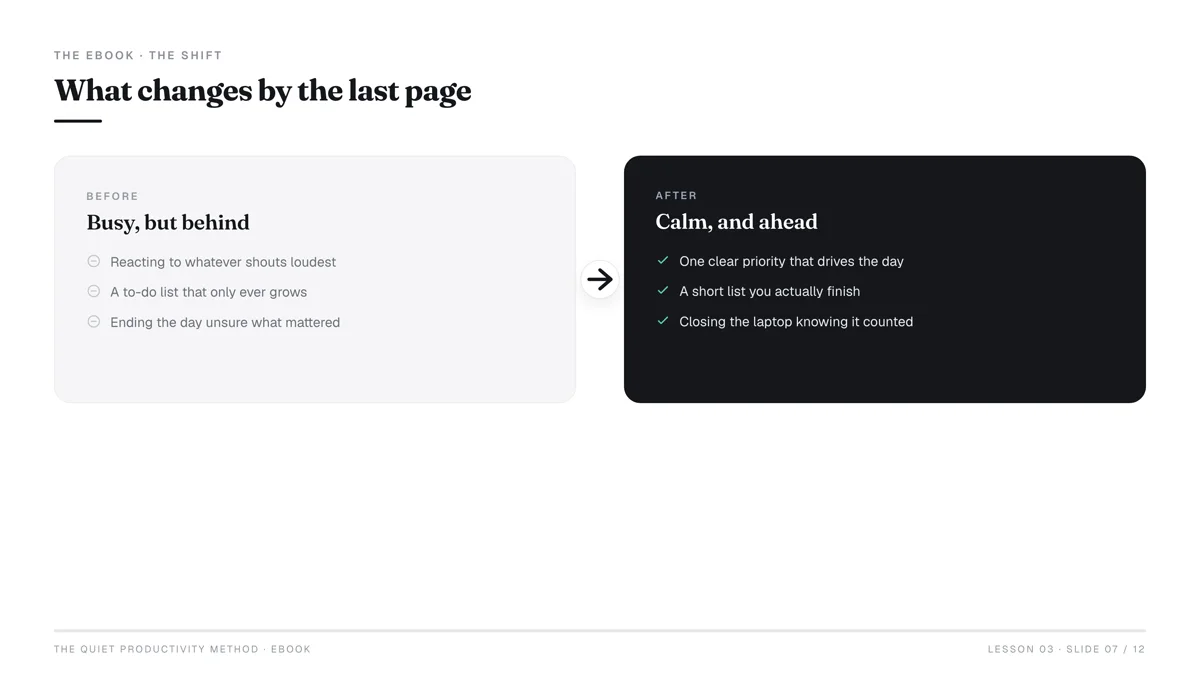
- Outline: Start with a clear outline. This is where you structure your repurposed content. What are the main sections? What sub-points will you cover? How will it flow logically?
- Draft: Bring in your existing content. Edit it for flow, consistency, and depth. Expand on areas where your original content might have been too brief. Add new insights, examples, or case studies. Remember to write clearly and concisely.
- Design: This is where many people get stuck. You don't need expensive software.
- Canva: For visual products like ebooks, workbooks, or social media templates, Canva is an incredibly powerful tool. It has thousands of templates, fonts, and stock images. You can create stunning designs without any graphic design experience.
- Google Docs/Microsoft Word: For simpler text-based documents, these are perfectly fine. Focus on clear formatting, readable fonts, and good use of headings.
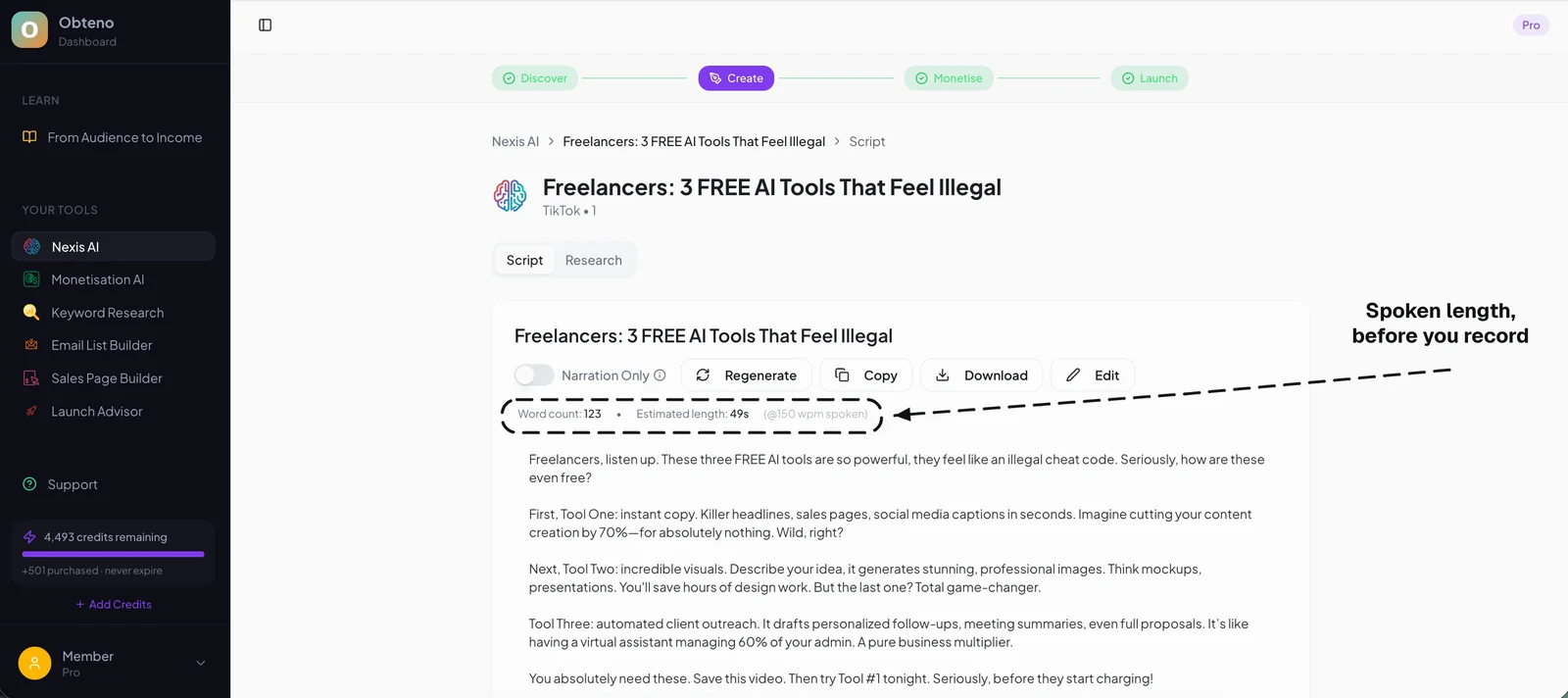
- Obteno: It's an AI tool specifically designed to build digital products. You give it your niche, and it can generate the ebook, template, or course content, design the cover, package the files, and even write your sales copy. If you're not a writer or designer, that is the part you no longer have to do yourself, which leaves you free to refine and personalise.
- Proofread and Edit: Absolutely critical. Typos and grammatical errors undermine your credibility. Read it yourself, then ask someone else to read it. Use tools like Grammarly.
For Template-Based Products
- Identify the need: What specific repetitive task can you simplify for your audience?
- Build the template: Use the native software (e.g., Notion for Notion templates, Excel for spreadsheets, Canva for graphic templates). Build it to be user-friendly and intuitive. Include instructions within the template itself.
- Personalise: Add your branding colours and fonts if appropriate. Make it look professional.
For Audio/Video Products
- Script/Outline: Even if you're comfortable speaking off-the-cuff, an outline ensures you cover all key points.
- Record: Use a good microphone for audio. A smartphone can record decent video, but focus on good lighting and clear audio.
- Edit: Trim dead air, remove mistakes, add intro/outro music. Simple editing software like DaVinci Resolve (free) or even your phone's built-in editor can work.
The key is to focus on clarity and value. The fanciest design won't save a poorly structured or unhelpful product.
Choose one of your product ideas. Spend 30 minutes outlining its structure and listing the specific content pieces you'll pull from your archives.
Pricing Your Digital Product Right
Pricing is often the hardest part for new creators. You don't want to undervalue your work, but you also don't want to price yourself out of the market.
Here's a structured approach:
- Research Competitors:
- Look at similar products in your niche. What are others charging? Search on marketplaces like Etsy, Gumroad, or even Amazon for ebooks.
- Don't just copy. Understand their value proposition. Is their product more comprehensive? Does it have more features?
- Consider Perceived Value:
- How much time or money does your product save the customer? If your template saves them 10 hours of work, what is 10 hours of their time worth?
- How big is the problem it solves? A solution to a major problem can command a higher price.
- Tiered Pricing/Bundles:
- Offer different versions. A basic version for a lower price, and a premium version with extra bonuses (templates, checklists, private community access) for a higher price.
- Bundle related products together. This increases the average order value and offers more value to the customer.
- Start Low, Test High:
- For your first product, it can be helpful to start with a slightly lower, accessible price point. This helps you get initial sales and testimonials.
- As you gather feedback and improve your product, you can gradually increase the price. Don't be afraid to experiment.
- Avoid "Race to the Bottom":
- Don't try to be the cheapest. This often leads to burnout and attracts customers who are only interested in discounts. Focus on delivering exceptional value at a fair price.
- Your unique perspective and quality are worth paying for.
Use a "scarcity" or "launch" price. Offer a lower price for the first week or for the first 50 customers. This creates urgency and gets initial sales quickly. Just be honest about when the price will change.
Here’s an example of how you might structure pricing for an ebook:
- Basic Ebook: $19 (PDF only)
- Ebook + Workbook: $39 (PDF ebook + actionable exercises)
- Ebook + Workbook + Template: $69 (All of the above + a ready-to-use template)
Remember, pricing is an ongoing process. You'll learn more as you sell.
Set a preliminary price for your digital product. Write down three reasons why that price is fair based on value, not just cost.
How to Sell Your Repurposed Digital Product
Creating the product is half the battle. Selling it is the other. You need a platform to host your product and process payments, and a strategy to get eyes on it.
Choosing a Selling Platform
You have several options, each with pros and cons. Obteno is a creation tool, not a selling platform. It builds the product, but you need to sell it elsewhere.
Here's a comparison of common platforms:
| Platform | Monthly Fee | Transaction Fee | Setup Difficulty | Best For |
|---|---|---|---|---|
| Gumroad | $0 | 10% + 50¢ per sale | Easy | Beginners, quick launches, digital products. |
| Etsy | $0.20 per listing | 6.5% per sale, plus payment processing | Medium | Crafty items, printables, design assets. |
| Shopify | Paid monthly plan | Card-processing fee on each sale | Medium | Selling on existing site/social, simple store. |
| Own Website (Stripe/PayPal) | Varies (hosting) | 2.9% + 30¢ (Stripe) | Harder | Full control, brand building, multiple products. |
| Obteno | $39-99/month | Not a checkout — you sell elsewhere | N/A | Product creation, not sales. |
- Gumroad: Excellent for digital products. Easy to set up, minimal fuss. You create a product page, upload your files, and share the link. They handle payments and delivery. Good for testing ideas.
- Etsy: If your product is a printable, template, or design asset, Etsy has a massive built-in audience. It's a marketplace, so discovery is possible, but competition is high. You pay per listing and a percentage of sales.
- Shopify Lite: This plan allows you to add a "Buy Button" to your existing website or social media. It gives you more control than Gumroad but is simpler than a full Shopify store. Good for integrating sales directly into your content.
- Your Own Website (using Stripe/PayPal): For ultimate control and branding. You'll need a website (WordPress with WooCommerce, Squarespace, etc.) and integrate a payment gateway like Stripe or PayPal. This requires more technical setup but gives you full ownership of the customer experience.
Marketing Your Product
Creating the product is only step one. You need to tell people about it.
- Leverage Your Existing Audience:
- Email List: This is your most powerful asset. Announce your product, explain its benefits, and offer a special launch discount to your subscribers.
- Social Media: Share snippets, behind-the-scenes, and testimonials. Use different platforms for different angles.
- Blog/Website: Write a dedicated blog post about the problem your product solves and introduce the product as the solution. Link to it prominently from relevant older content.
- Content Marketing:
- Create new free content that leads directly to your paid product. If you sell an ebook on "email marketing basics," write blog posts on "5 subject lines that get opened" and link to your ebook for deeper knowledge.
- Targeted Outreach:
- Find communities where your target audience hangs out. Name the actual place. The subreddit. The Facebook group. The comment section under a product like yours. Share your product where it's genuinely helpful, not just spamming.
- Collaborate with other creators. Offer an affiliate commission if they promote your product to their audience.
The most common mistake new sellers make is expecting sales to just happen. You need a clear marketing plan. Start with your existing audience, because they already know and trust you.
Choose one selling platform you want to explore. Sign up for a free account or start building your first product page today.
Legalities, Taxes, and Other Practicalities
Selling digital products means you're running a business. There are a few practical considerations you need to be aware of.
Legal Structure
For most beginners, starting as a sole trader is sufficient. This is the simplest legal structure. As your business grows, you might consider forming a limited company. Research the requirements in your country or region.
Taxes
You will owe tax on your income from digital product sales. Keep meticulous records of all your sales and expenses. Use accounting software or a simple spreadsheet. Consult a local accountant early on to understand your obligations, especially regarding VAT or sales tax if you sell internationally. Tax laws vary significantly by region.
Terms and Conditions / Refund Policy
Clearly state your terms of service and refund policy. For digital products, "all sales are final" is common, but you must be transparent. Most platforms (like Gumroad) have default terms you can adapt. Having these clear protects you and sets expectations for your customers.
File Delivery and Storage
Ensure your chosen selling platform handles file delivery automatically. This is standard for Gumroad, Etsy (for instant downloads), and custom websites. For larger files or courses, you might need dedicated hosting (e.g., Vimeo for videos, Google Drive for large files) with links provided through your selling platform.
Customer Support
Even with digital products, customers will have questions. Be prepared to answer queries about access, downloads, or specific content. A quick, helpful response builds trust and can lead to repeat purchases and testimonials.
Data Privacy (GDPR, etc.)
If you're collecting customer data (like email addresses for your list), you need to comply with data privacy regulations like GDPR (General Data Protection Regulation) in Europe or CCPA in California. This means having a privacy policy, getting consent for marketing emails, and protecting customer information. Most reputable email marketing services and selling platforms help you with compliance.
Don't let these practicalities overwhelm you. Start simple. Focus on getting your first product out there. You can refine your processes as you grow. The key is to be aware of them, not to perfect them all before you launch.
Find a template for a basic refund policy and save it. You will adapt this for your chosen selling platform.
Frequently Asked Questions
What kind of existing content can I repurpose?
You can repurpose almost any existing content: blog posts, videos, podcast episodes, social media threads, email newsletters, presentations, and even internal documents. The key is to choose content that is evergreen, engaging, and solves a specific problem.
How long does it take to create a digital product from repurposed content?
The time varies greatly depending on the product type and the amount of content you have. A simple checklist or template might take a few hours. A comprehensive ebook or mini-course could take several days or weeks of editing and structuring. Obteno writes the product content and designs the cover, so you do not have to build those parts yourself.
Do I need a large audience to sell digital products?
No, you don't need a massive audience to start. A small, engaged audience is often more valuable than a large, disengaged one. Focus on serving your existing audience first, even if it's only a few hundred people on an email list or social media. They are most likely to convert because they already know and trust you.
Can I really make money with digital products in 2026?
Yes, the digital product market continues to grow. People are always looking for solutions to their problems, and they are willing to pay for high-quality information, tools, and resources that save them time or help them achieve their goals. The key is to create valuable products and effectively market them to the right audience.
How much does it cost to get started selling digital products?
The upfront costs can be very low. You might pay for a subscription to a design tool like Canva (free tier available) or a product creation tool like Obteno ($39-99/month). Selling platforms like Gumroad have no monthly fees, only transaction fees when you make a sale. Your main investment will be your time.
What's the biggest mistake beginners make when repurposing content?
The biggest mistake is not adding enough new value or simply copy-pasting existing content without re-structuring or expanding it. Your repurposed digital product needs to be a distinct, premium offering that justifies its price. It should solve a problem more comprehensively or conveniently than your free content.