
The global market for digital products keeps growing, and it points to an undeniable truth: your expertise, your unique insights, and your accumulated knowledge are more valuable than ever. If you've ever felt you have something to teach, a skill to share, or a problem you can solve for others, turning that into a digital product is the most direct path to reaching a global audience and building a sustainable income stream in 2026. This isn't about getting rich quick; it's about leveraging your intellectual assets strategically to create value for others and financial freedom for yourself.
Why Turn Your Knowledge into a Digital Product in 2026?
In an increasingly digitized world, the demand for accessible, on-demand learning and practical solutions is exploding. People are actively searching for ways to improve their lives, careers, and hobbies without the constraints of traditional education or physical products. This trend has created a massive opportunity for anyone willing to package their expertise.
Unlocking Passive Income Potential
One of the most compelling reasons to create digital products is the potential for passive income. Unlike services where you trade time for money, a digital product can be sold an infinite number of times without requiring additional effort beyond its initial creation and marketing. Imagine waking up to sales notifications – that’s the power of a well-executed digital product strategy. While "passive" requires initial work, it frees your time significantly once established.
Global Reach and Scalability
Your physical location no longer limits your audience. A digital product can be purchased and consumed by anyone, anywhere in the world, with an internet connection. This global reach means a far larger potential customer base than any local business. Furthermore, digital products are inherently scalable. Whether you sell one copy or a million, the marginal cost of distribution is effectively zero. This allows for exponential growth without the logistical hurdles of physical goods.
Building Authority and Impact
Creating a digital product positions you as an expert in your field. It's a tangible demonstration of your knowledge and ability to provide value. This authority can lead to further opportunities, such as speaking engagements, consulting gigs, or even partnerships. More importantly, it allows you to make a significant impact, helping countless individuals solve problems and achieve their goals through your insights.
Don't underestimate the power of starting small. Many successful digital product creators began with a single, highly focused solution before expanding their offerings. The key is to solve one problem exceptionally well.
What Type of Digital Product Suits Your Expertise?
The breadth of digital products is vast, offering a perfect fit for almost any type of knowledge. Choosing the right format depends on your expertise, your target audience's learning style, and the complexity of the problem you're solving.
Common Digital Product Categories
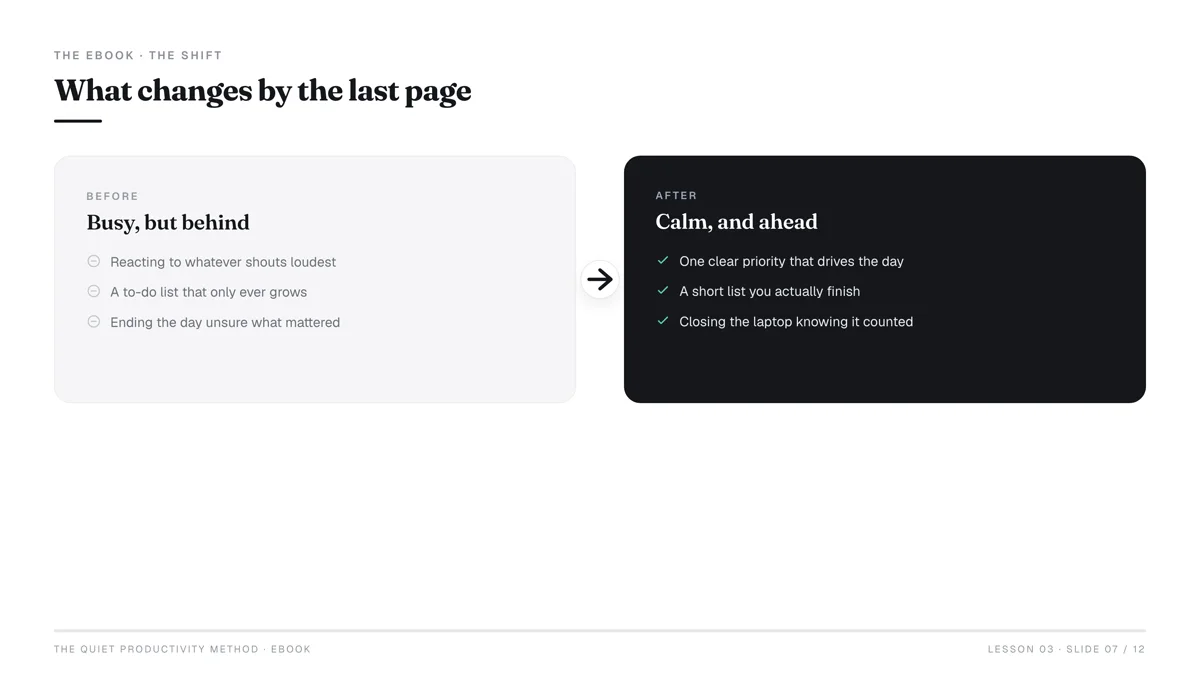
- Ebooks & Guides: These are foundational. If you can explain a process, tell a story, or compile information, an ebook is an excellent starting point. They're relatively easy to create and consume.
- Online Courses & Workshops: For more complex topics requiring step-by-step instruction, video lessons, and interactive elements. These often command higher prices due to their comprehensive nature.
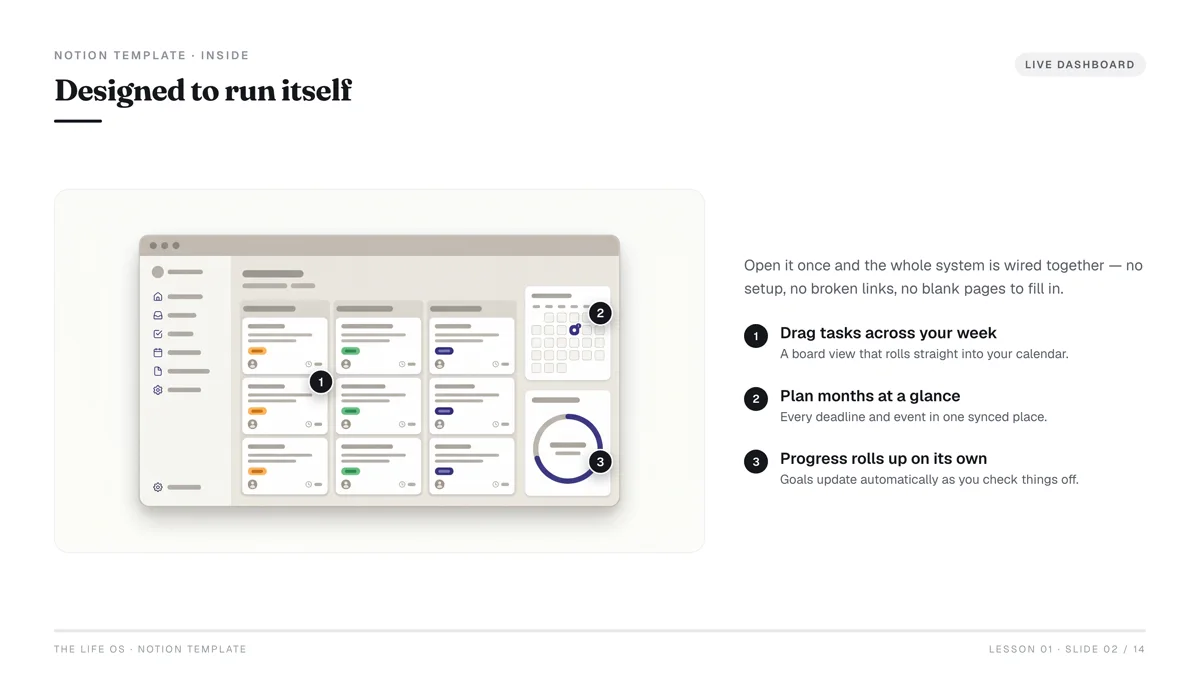
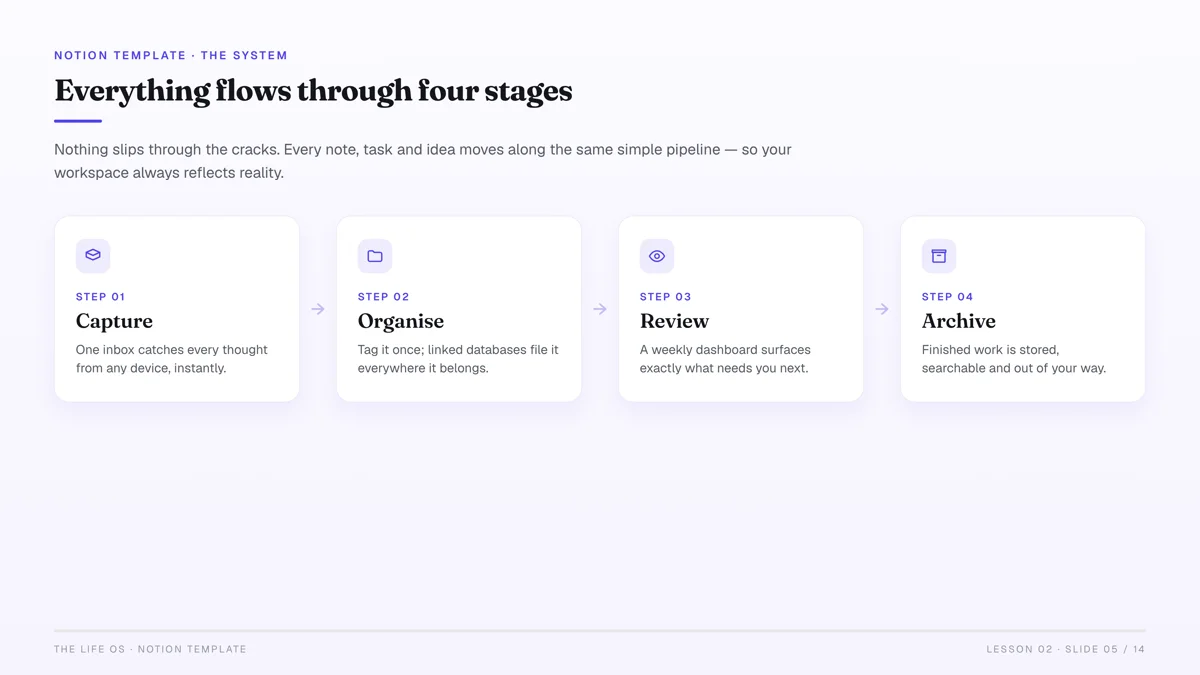
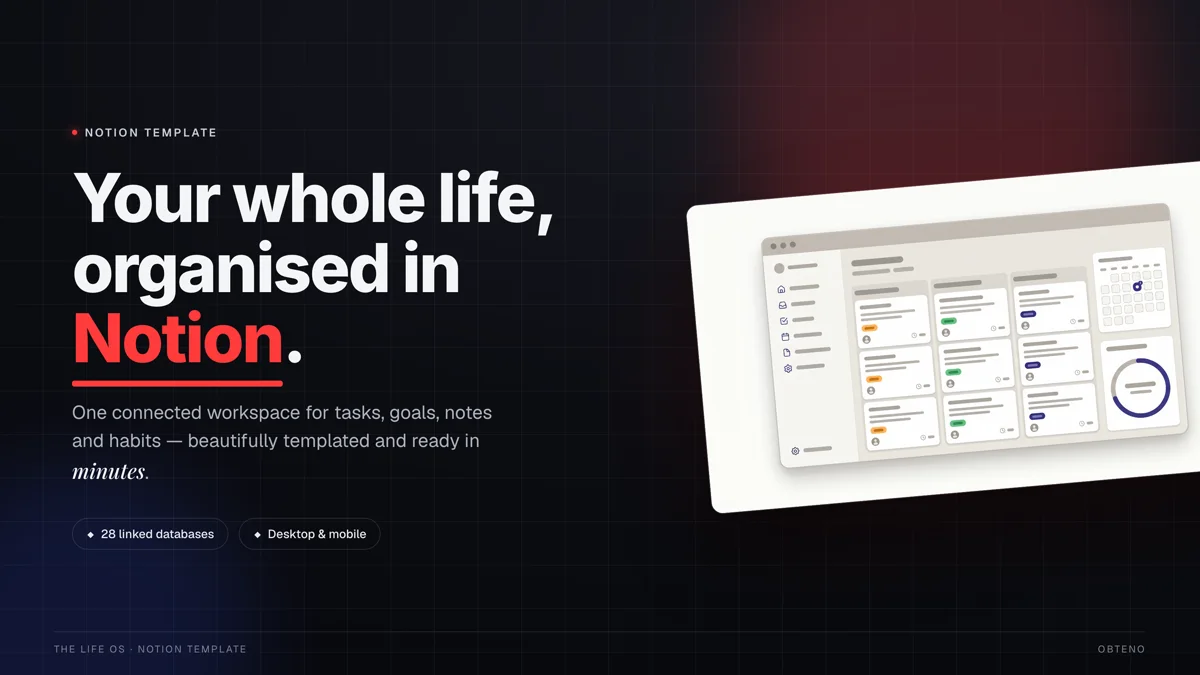
- Templates & Presets: Think Canva templates, Notion templates, Lightroom presets, resume templates, or website themes. These provide done-for-you solutions that save users time and effort.
- Digital Planners & Journals: Interactive PDFs, printable planners, or digital stickers that help users organize their lives, track goals, or practice mindfulness.
- Software & Apps: For those with coding skills, custom software, plugins, or mobile apps can solve niche problems. This is typically a higher barrier to entry but offers significant potential.
- Audio Products: Podcasts, guided meditations, music, or audiobooks. Great for audiences who prefer to learn or consume content on the go.
Deciding on Your Product Format
Consider these factors when choosing:
- Complexity of Knowledge: Simple tips might be an ebook, while a skill requiring demonstration is better suited for a video course.
- Audience Preference: Do your potential customers prefer reading, watching, or doing? Research their existing consumption habits.
- Creation Time & Effort: Ebooks and templates are generally quicker to produce than full-blown video courses or software.
- Perceived Value: Generally, products that offer a direct, tangible solution or a deep transformation (like a comprehensive course) can command higher prices.
Here's a comparison of common product types:
| Product Type | Creation Effort | Price Point (Beginner) | Audience Benefit | Example |
|---|---|---|---|---|
| Ebook/Guide | Low-Medium | $9 - $49 | Quick answers, foundational knowledge | "Beginner's Guide to Digital Marketing" |
| Templates/Presets | Low-Medium | $5 - $29 | Time-saving, professional design | "50 Social Media Post Templates" |
| Digital Planner | Medium | $15 - $49 | Organization, goal tracking | "Productivity Planner for Entrepreneurs" |
| Online Course (Video) | High | $99 - $499+ | In-depth learning, skill acquisition | "Mastering SEO in 8 Weeks" |
| Audio Product | Medium | $19 - $79 | Convenience, on-the-go consumption | "Mindfulness Meditations for Stress" |
Validating Your Digital Product Idea: The Non-Negotiable Step
The biggest mistake beginners make is spending weeks or months creating a product nobody wants. Validation isn't just a good idea; it's essential. It ensures there's a real market need before you invest significant time and resources.
1. Identify Your Niche & Audience
Who are you trying to help? Be specific. Instead of "people who want to learn marketing," think "small business owners struggling to get their first 100 email subscribers." The narrower your niche, the easier it is to identify their problems and speak directly to them.
2. Pinpoint Their Pain Points
What specific problems, frustrations, or desires does your target audience have related to your area of expertise? These pain points are the foundation of your product. Listen to conversations in online forums, social media groups, and review sections of competitor products. What questions keep coming up? What complaints do you see?
3. Competitor Analysis & Market Research
Look at what's already out there.
- Who is selling similar products? What are their prices, features, and target audience?
- What are customers saying in reviews? What do they love? What are they missing? This reveals gaps you can fill.
- Are there popular keywords related to your topic? Use tools like Google Trends to see search volume and interest over time. A rising trend indicates growing demand.
4. Direct Audience Feedback
This is crucial.
- Surveys: Use free tools like Google Forms to ask your potential audience about their challenges, what solutions they've tried, and what they'd be willing to pay for.
- Interviews: Have one-on-one conversations. Ask open-ended questions. Listen more than you talk.
- Micro-offer: Before building the full product, create a small, related freebie or a low-cost "beta" version. See how many people sign up or purchase. This is the ultimate validation.
Don't just ask "Would you buy this?" Instead, ask "What's the hardest part about X?" or "What tools have you tried for Y, and what did you dislike about them?" This uncovers real needs and frustrations, not just hypothetical interest.
How Do You Create a Digital Product?
Once you've validated your idea, it's time to bring it to life. The creation process varies greatly by product type, but the core principles remain the same: focus on value, clarity, and user experience.
Step 1: Outline Your Content
Before you start writing, designing, or recording, create a detailed outline.
- For an ebook: Chapter titles, key points, exercises.
- For a course: Module titles, lesson topics, learning objectives, activities.
- For a template: List of elements, functionalities, target use cases.
This blueprint ensures logical flow and comprehensive coverage of your topic.
Step 2: Choose Your Creation Tools
The right tools can significantly simplify the creation process.
- For Ebooks/Guides:
- Writing: Google Docs, Notion, Scrivener.
- Design: Canva (for beginners, templates available), Adobe InDesign (for professionals).
- PDF Conversion: Most writing tools can export to PDF.
- For Online Courses:
- Video Recording: Smartphone, webcam, or professional camera. OBS Studio (free screen recording), Zoom (for live workshops).
- Video Editing: DaVinci Resolve (free), Adobe Premiere Pro, Final Cut Pro.
- Presentation Slides: Google Slides, PowerPoint, Keynote.
- For Templates:
- Design: Canva (for social media, planners), Adobe Illustrator/Photoshop, Notion (for workspace templates).
- For Audio Products:
- Recording: Audacity (free), Adobe Audition.
- Editing: Audacity, GarageBand.
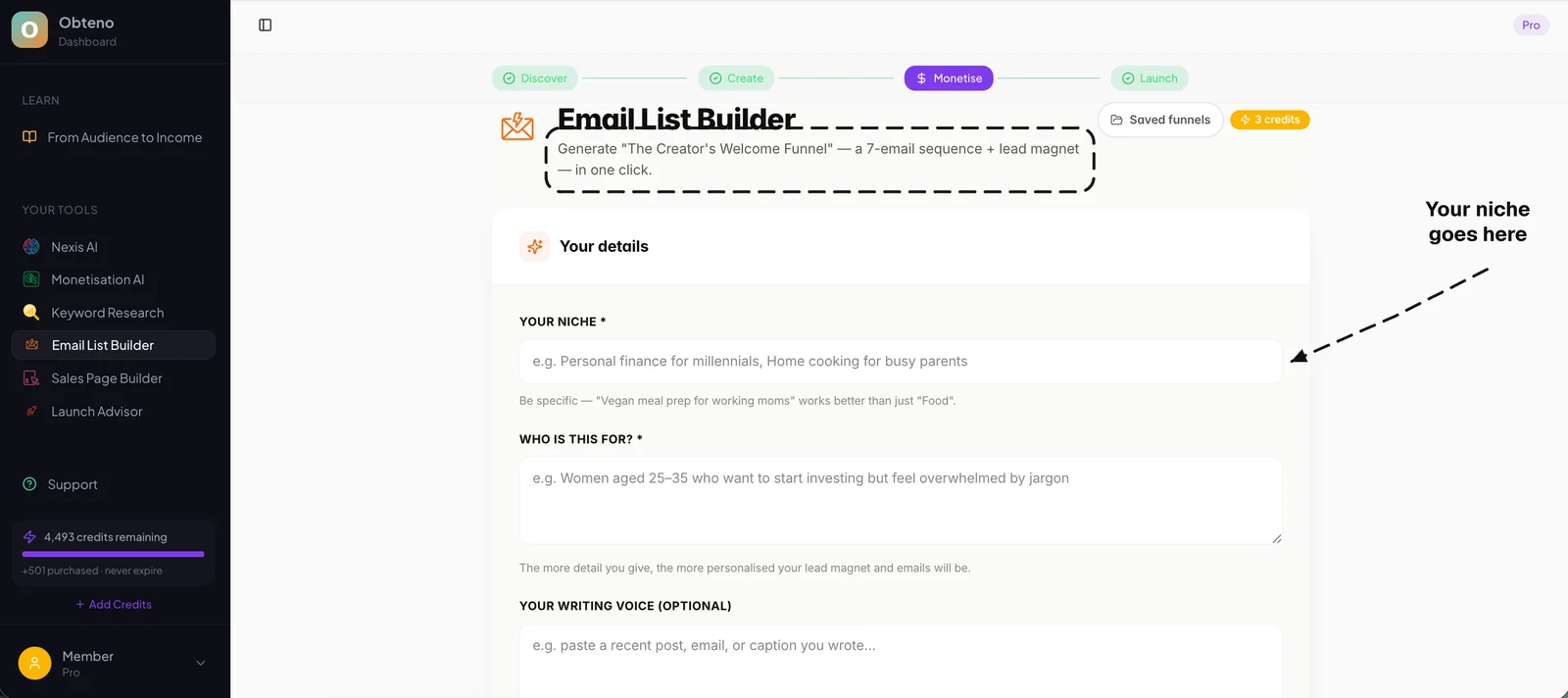
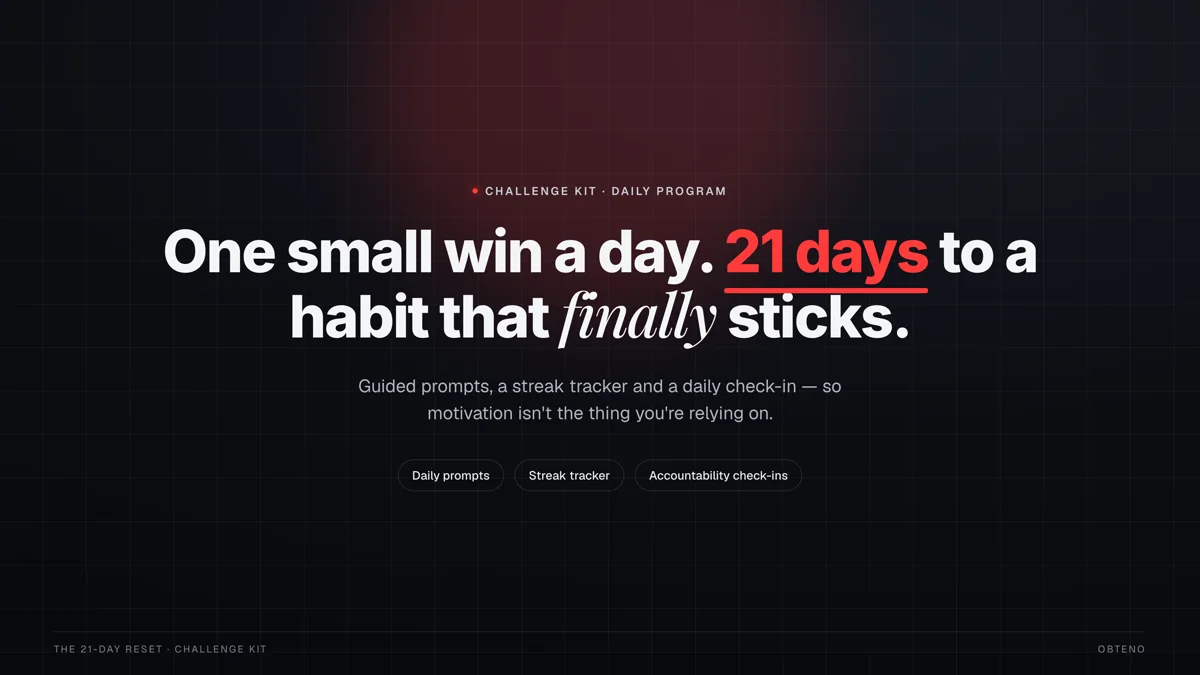
When you are ready to create, Obteno builds the product from your niche — one subject can come out as an ebook, a template pack or a Notion system. This can save significant time, allowing you to focus on the quality of your knowledge rather than the technicalities of file conversion.
Step 3: Create High-Quality Content
This is where your expertise shines.
- Clarity: Ensure your explanations are easy to understand, even for beginners. Avoid jargon where possible, or explain it thoroughly.
- Actionability: Provide clear steps, examples, and exercises. People buy solutions, not just information.
- Engagement: Use visuals, stories, and a conversational tone to keep your audience engaged. For video, good lighting and clear audio are paramount.
- Proofread & Test: Before launching, thoroughly review your content for errors. If it's a course, test the links and video playback. If it's a template, ensure all functionalities work as intended. Get beta testers to provide feedback.
Choosing the Right Platform to Sell Your Digital Product
Selecting the right platform is critical for frictionless sales, secure delivery, and managing your business. Each option has its pros and cons regarding fees, features, and ease of use.
Dedicated Digital Product Marketplaces
These platforms are designed specifically for selling digital goods and often come with built-in audiences.
- Gumroad: Extremely beginner-friendly. Simple setup, allows you to sell almost any digital product. They handle payment processing, delivery, and even basic email marketing.
- Fees: 10% + 30¢ per transaction for free users, declining percentages for paid tiers.
- Etsy: While known for crafts, Etsy has a massive marketplace for digital printables, planners, templates, and even digital art. Great for visual products.
- Fees: Listing fee of $0.20 per item + 6.5% transaction fee + payment processing fees.
- Creative Market: Focuses on design assets, fonts, templates, and graphics. Requires an application to become a seller.
All-in-One Course Platforms
If your primary product is an online course, these platforms provide robust features for hosting videos, managing student progress, and building community.
- Teachable / Thinkific / Kajabi: These platforms offer course creation tools, payment processing, marketing features, and student management. They are more expensive but provide a comprehensive solution for educators.
- Fees: Varies significantly by plan, often a monthly fee plus transaction fees on lower tiers. Teachable's basic plan has a 5% transaction fee.
E-commerce Platforms with Digital Product Support
For more control over branding and a wider range of product types (physical and digital), an e-commerce platform is a good choice.
- Shopify: Highly customizable, powerful e-commerce platform. Requires an app (like Digital Downloads) to sell digital products effectively. Best if you plan to scale with multiple products and strong branding.
- Fees: Monthly subscription + transaction fees. Basic Shopify starts at $39/month.
- WordPress with WooCommerce: Free e-commerce plugin for WordPress. Offers ultimate control but requires more technical setup and maintenance.
Comparison of Popular Selling Platforms
| Feature | Gumroad | Etsy (Digital) | Teachable (Basic) | Shopify (Basic + App) |
|---|---|---|---|---|
| Ease of Setup | Very Easy | Easy | Medium | Medium (with app) |
| Best For | Any digital product, quick launch | Printables, templates, art | Online courses, memberships | Full e-commerce, branding |
| Audience Access | Small built-in, mostly self-promo | Large built-in marketplace | Mostly self-promo | Self-promo |
| Fees (approx.) | 10% + 30¢ per sale (free tier) | $0.20 listing + 6.5% + processing | $39/month + 5% transaction | $39/month + transaction |
| Customization | Limited | Limited (shop branding) | Good (course page, branding) | Excellent (full store) |
| Email Marketing | Basic built-in | None (need external) | Built-in | Integrations |
| Seller Support | Good knowledge base | Good knowledge base | Good | Excellent |
Pricing Your Digital Product for Profit and Value
Pricing is a delicate balance. You want to reflect the value you provide without alienating potential customers. Don't fall into the trap of underpricing your expertise.
1. Value-Based Pricing
Instead of pricing based on the number of pages or video minutes, price based on the transformation or solution your product offers. If your product helps someone save 10 hours a week, what is that worth to them? If it helps them earn an extra $1000, what's a fair share of that value?
- Example: A Notion template that streamlines project management might be worth $29-$49 if it saves a freelancer several hours a week, even if it took you only a few hours to create.
2. Research Competitor Pricing
While you don't want to copy, understanding what similar products are selling for gives you a baseline.
- Are there premium options? What makes them premium?
- Are there budget options? What do they lack?
This helps you position your product in the market.
3. Consider Tiered Pricing or Bundles
Offering different tiers (e.g., basic, pro, premium) or bundling complementary products can cater to different budget levels and increase your average order value.
- Basic: Ebook ($19)
- Pro: Ebook + Workbook + Checklist ($39)
- Premium: Ebook + Workbook + Checklist + 1-hour Group Coaching Call ($99)
4. Psychological Pricing
Using prices that end in .99 (e.g., $19.99 instead of $20) can make a price seem lower. Also, "anchor pricing" by showing a higher-priced option next to your main offer can make the main offer seem more attractive.
5. Experiment and Iterate
Your initial price isn't set in stone. Test different price points, run promotions, and see what resonates with your audience. Tools on platforms like Gumroad allow you to easily adjust prices.
Launching and Marketing Your Digital Product
Creating an amazing product is only half the battle; people need to know it exists. A strategic launch and ongoing marketing are essential for success.
Pre-Launch Buzz
- Build an Email List: Start gathering emails before your product is ready. Offer a free lead magnet (mini-guide, checklist, template) related to your product's topic. This list will be your most valuable asset for launches.
- Tease Your Product: Share snippets, behind-the-scenes glimpses, and sneak peeks on social media or in your email newsletter. Build anticipation.
- Beta Testers: Offer early access to a select group in exchange for feedback and testimonials. These testimonials are golden for your sales page.
Crafting a Compelling Sales Page
Your sales page is your digital storefront. It needs to convert visitors into customers.
- Clear Headline: Immediately state the benefit or solution.
- Problem/Solution Framework: Clearly articulate the problem your audience faces and how your product solves it.
- Benefits, Not Just Features: Instead of "5 video modules," say "Learn the exact steps to double your productivity in just 5 short lessons."
- Social Proof: Include testimonials, reviews, and any media mentions.
- Strong Call to Action (CTA): Make it obvious what you want them to do ("Buy Now," "Enroll Today").
- Visuals: High-quality mockups of your product, screenshots, or explainer videos.
Marketing Channels
- Email Marketing: Your email list is your most engaged audience. Send a series of emails leading up to launch, during launch, and post-launch.
- Content Marketing: Create blog posts, YouTube videos, or podcasts that provide free value related to your product's topic. Naturally weave in mentions and links to your product as the solution to a deeper problem. This builds trust and organic traffic.
- Social Media: Share valuable content, engage with your audience, and promote your product on platforms where your target audience hangs out.
- Paid Advertising: Facebook/Instagram ads, Google Ads. Start small, test different audiences and creatives, and scale what works.
- Affiliate Programs: Offer a commission to others who promote your product. Platforms like Gumroad make it easy to set up an affiliate program.
- Collaborations: Partner with other creators or influencers in your niche for cross-promotion.
Focus on one or two marketing channels initially where your audience is most active. Trying to be everywhere at once is a recipe for burnout and diluted effort. Master one, then expand.
Scaling and Automating Your Digital Product Business
Once your first product is launched and generating sales, the real work of scaling begins. The beauty of digital products is their inherent ability to be automated and expanded upon.
1. Automate Everything Possible
- Email Sequences: Set up automated welcome sequences for new subscribers, sales sequences for product launches, and follow-up sequences for customers.
- Customer Support: Create an FAQ section on your sales page. Use email templates for common inquiries. Consider a chatbot for basic questions.
- Delivery: Most selling platforms automatically handle product delivery upon purchase.
- Marketing Funnels: Build automated funnels that guide potential customers from awareness to purchase (e.g., freebie -> low-cost tripwire -> main product).
2. Build Your Audience Consistently
Your email list and social media following are long-term assets. Continue to create valuable free content to attract new leads, even when you're not actively launching. A growing audience means more potential customers for future products.
3. Expand Your Product Line
Don't stop at one product. Once you have a successful offering, think about:
- Complementary Products: What else would your existing customers need or want? (e.g., if you sold an ebook on productivity, offer a digital planner).
- Higher-Tier Products: Create a more in-depth course, a membership, or even one-on-one coaching for your most dedicated customers.
- Bundles & Upsells: Combine existing products into new bundles or offer an upsell immediately after a purchase.
The power of digital products lies in their compounding effect. Each new product you create leverages your existing audience and infrastructure, leading to accelerated growth.
4. Leverage Analytics
Most platforms provide analytics on sales, traffic, and conversion rates.
- What's selling best? Double down on what works.
- Where are people dropping off? Optimize your sales page or marketing messages.
- What traffic sources are most effective? Allocate more resources there.
Continuously analyzing your data helps you make informed decisions and optimize your business for maximum profitability.
Frequently Asked Questions
Do I need a website to sell digital products?
No, not necessarily. Platforms like Gumroad and Etsy allow you to sell products without needing your own website. They provide product pages and handle transactions. However, having your own website or blog can help build your brand, authority, and provide more control over your content and marketing long-term.
How much can I earn from selling digital products?
Earnings vary widely based on your niche, product quality, marketing efforts, and pricing. It could range from a few hundred dollars a month to six or even seven figures annually. The key is consistent effort, providing genuine value, and building an audience over time. It's not a get-rich-quick scheme, but a scalable business model.
Is it hard to create a digital product?
Creating a digital product requires effort and time, especially for your first one. However, with modern tools and resources, the technical barriers are lower than ever. The biggest challenge is often organizing your knowledge effectively and ensuring it solves a clear problem. Starting with a Minimum Viable Product (MVP) makes the initial creation process much less daunting.
What if my knowledge isn't unique enough?
Your unique perspective, teaching style, and experiences make your knowledge unique, even if the topic itself isn't entirely new. Focus on niching down to a specific audience or problem. For example, instead of "fitness tips," try "fitness for busy single moms over 40." Your voice and approach will differentiate you.
How do I protect my digital product from piracy?
While no digital product is 100% piracy-proof, most reputable selling platforms offer features to deter unauthorized sharing, such as unique download links or limited download attempts. For courses, platforms often have security measures. The best defense is to consistently provide such high value and build such a strong community that buyers feel compelled to support you directly.