
The dream of passive income through digital products often feels just out of reach, shrouded in vague promises and influencer hype. You've googled "How much money can you make selling digital products?" because you're tired of the fluff and want concrete answers. You're not alone. The market is real and growing, but the path to capturing a slice of it can seem opaque.
Many aspiring creators get stuck wondering if it's truly possible to replace a salary, supplement an income, or just earn enough for a nice side hustle. They grapple with questions about product types, pricing, platforms, and the sheer effort involved. The truth is, the range is vast – from a few hundred dollars a month to six-figure annual incomes. The difference lies not in luck, but in strategy, execution, and understanding the core mechanics of this dynamic industry. This guide cuts through the noise to give you the clearest, most actionable answer to what you can realistically expect, and how to get there by 2026.
The Big Question: How Much Can You Really Make Selling Digital Products?
Let's address the elephant in the room directly. There's no single, universally applicable income figure for selling digital products because it's not a get-rich-quick scheme; it's a business. Your earnings are a direct reflection of the value you provide, the audience you reach, and the business acumen you apply.
The Range: From Side Hustle to Full-Time Income
To give you a concrete framework, let's look at typical income tiers:
- Beginner/Hobbyist ($100 - $500 per month): Many people start here, selling a few simple templates, printables, or short guides. This income tier is often achieved with minimal marketing, perhaps relying on organic traffic from a platform like Etsy or a small social media following. It's fantastic for covering small expenses, a hobby budget, or validating an idea.
- Serious Side Hustle ($500 - $2,500 per month): At this level, you're likely selling multiple products, actively engaging in marketing, and perhaps have a growing email list. You're iterating on your offerings based on customer feedback and understanding your niche better. This income can significantly supplement a primary job or cover major household expenses.
- Part-Time Income ($2,500 - $5,000 per month): Achieving this often means you have a solid product portfolio, a clear marketing strategy (content marketing, paid ads, affiliate partnerships), and a growing brand reputation. Your products are likely higher value (e.g., comprehensive courses, premium templates, niche software). This level of income can effectively replace a part-time job or provide substantial financial freedom.
- Full-Time Income & Beyond ($5,000+ per month): This is where digital products become a primary income source. You're likely running a well-oiled machine with a diverse product line, automated marketing funnels, and perhaps even a team or contractors. You're consistently launching new products, expanding into new niches, and leveraging advanced strategies like subscription models or high-ticket coaching alongside your digital goods. For example, Obteno's founder built a $23,718 digital-product business in 60 days, demonstrating that focused effort in a niche can yield significant results relatively quickly.
Factors Influencing Your Earnings
Several critical factors determine where you'll land on this spectrum:
- Niche Selection & Demand: Are you solving a real problem for a specific, engaged audience? A niche with high demand and low competition is a goldmine.
- Product Quality & Value: Is your product genuinely useful, well-designed, and does it deliver on its promise? High-quality products lead to better reviews, repeat customers, and word-of-mouth referrals.
- Pricing Strategy: Are you pricing competitively but also reflecting the value? Underpricing leaves money on the table; overpricing deters buyers.
- Marketing & Reach: How effectively are you getting your product in front of the right people? Even the best product won't sell if no one knows it exists.
- Traffic & Conversion: How many visitors are you attracting, and what percentage of them are buying?
- Product Portfolio & Upsells: Do you have multiple products, offering different price points and complementary solutions? This increases customer lifetime value.
- Automation & Scalability: How much of your business can run without your direct, constant involvement? The more automated, the more scalable your income.
Don't chase trends blindly. While popular niches can be lucrative, they're often saturated. Instead, look for evergreen problems within a niche you understand, and offer a unique, superior solution. Your unique perspective is your biggest asset.
What Types of Digital Products Sell Best?
The beauty of digital products lies in their versatility. Almost any knowledge, skill, or creative asset can be digitized and sold. Here are some of the most popular and profitable categories:
Ebooks & Guides
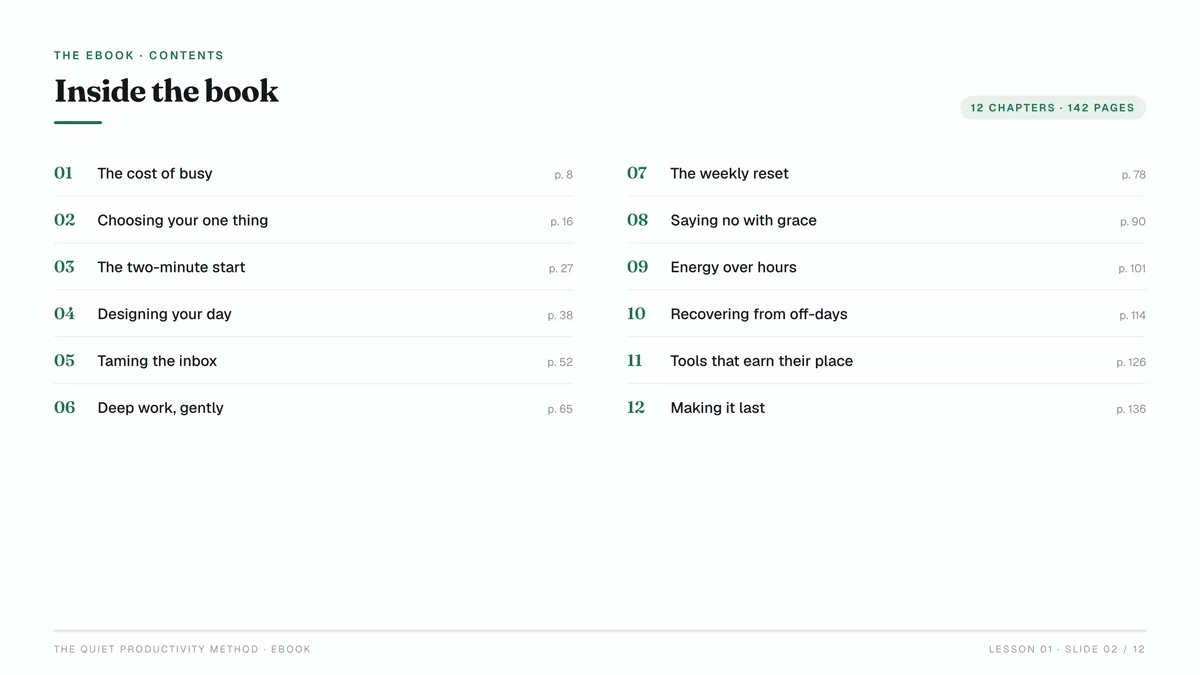
These are fundamental. From "How-To" guides on cooking or coding to self-help manifestos and short stories, ebooks offer immense value at a low production cost.
- Pros: Low barrier to entry, easy to update, can establish authority.
- Cons: Often low price point, requires strong writing/design skills.
- Income Potential: $5-$50 per sale. High volume can lead to significant income.
Templates & Planners
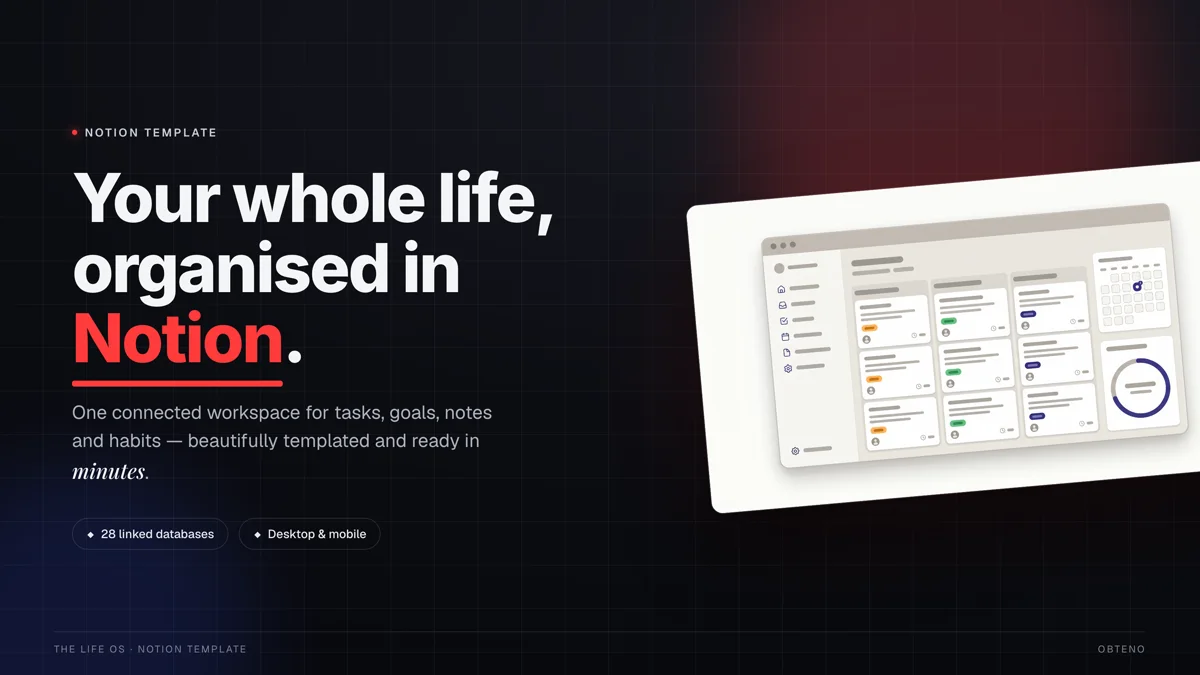
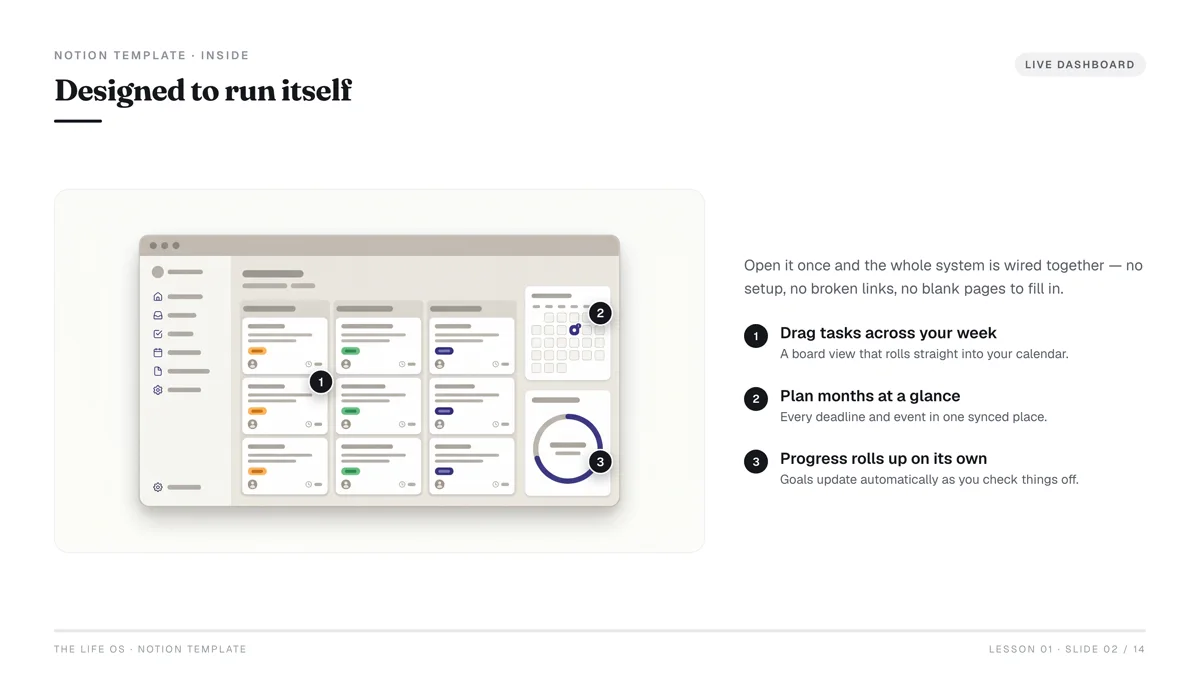
Think Notion templates, Canva templates for social media, resume templates, digital planners, budget spreadsheets, or even custom Photoshop brushes. These save people time and effort.
- Pros: High demand, relatively quick to create once you master the tools, can be highly aesthetic.
- Cons: Market can be saturated, requires good design sense and tool proficiency.
- Income Potential: $5-$30 per sale. Excellent for recurring sales on platforms like Etsy.
Online Courses & Memberships
These are high-value products. If you have expertise in a specific area (e.g., photography, digital marketing, a specific software skill), an online course can be incredibly lucrative. Memberships offer recurring revenue for ongoing content, community access, or exclusive tools.
- Pros: High price point, builds strong community, recurring revenue (memberships).
- Cons: High production effort, requires significant marketing, customer support.
- Income Potential: $50-$2,000+ per course; $10-$100+ per month for memberships. This is where six-figure incomes become very possible.
Stock Assets & Presets
Photographers, videographers, graphic designers, and musicians can sell their creations as stock photos, video clips, sound effects, Lightroom presets, or custom fonts.
- Pros: Can be created once and sold indefinitely, appeals to a professional audience.
- Cons: Requires professional-level skills, competition with large stock libraries.
- Income Potential: $1-$500 per asset, depending on licensing and exclusivity.
Software & Tools (SaaS)
This is the most complex category, involving coding and ongoing development, but also has the highest potential for scalable, recurring revenue. Examples include custom Notion widgets, productivity apps, or specialized browser extensions.
- Pros: Very high price point, often recurring revenue, solves complex problems.
- Cons: High technical barrier, significant development and maintenance.
- Income Potential: $5-$500+ per month per user.
| Digital Product Type | Creation Effort | Price Point | Passive Potential | Best For |
|---|---|---|---|---|
| Ebooks & Guides | Medium | Low-Medium | Medium | Sharing knowledge, building authority |
| Templates & Planners | Low-Medium | Low | High | Quick problem-solving, aesthetic appeal |
| Online Courses | High | High | Medium | Deep expertise, community building |
| Stock Assets | Medium-High | Low-Medium | High | Creative professionals, one-time sales |
| Software/SaaS | Very High | High (recurring) | Very High | Solving complex, ongoing technical problems |
Building Your Digital Product Business: A Step-by-Step Roadmap
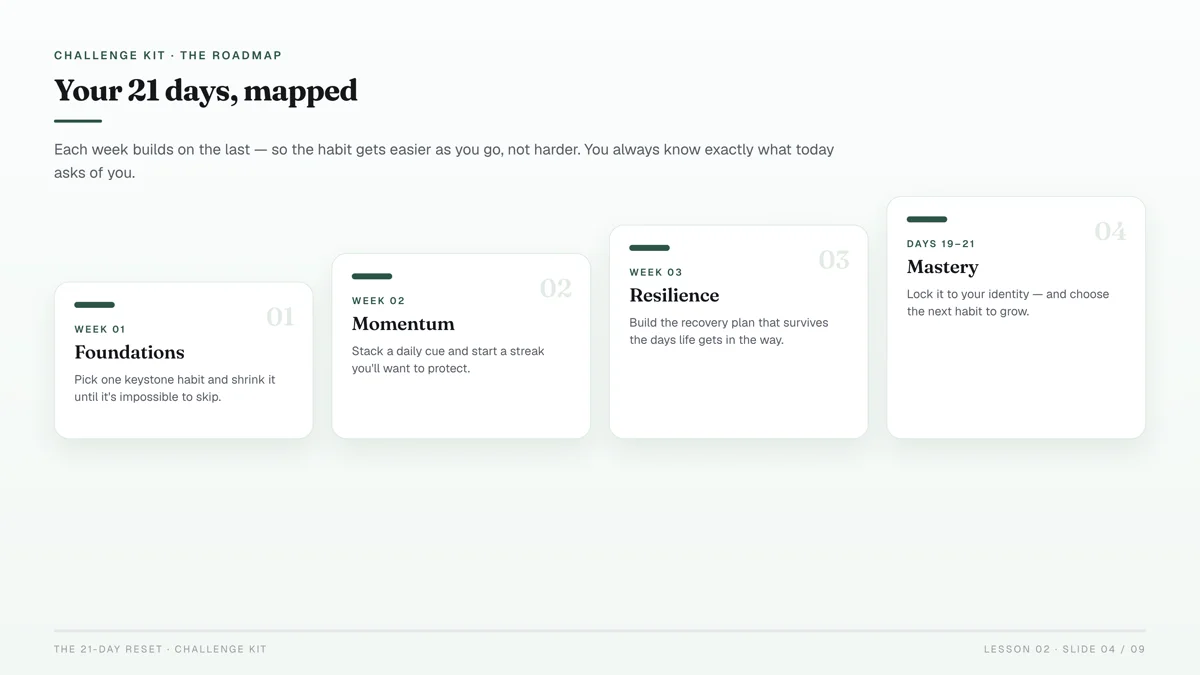
Success doesn't happen by accident. It follows a structured approach.
Step 1: Niche Down and Validate Your Idea
This is the most crucial first step. Don't create a product and then look for buyers; find buyers and then create a product for them.
- Identify a Problem: What pain points do people in a specific group experience? What questions are they asking?
- Define Your Audience: Who exactly are these people? What are their demographics, interests, and online hangouts?
- Research Demand: Use tools like Google Trends trends.google.com, keyword research, and social media listening to see if people are actively searching for solutions to this problem. Look at what competitors are selling and what their customers are saying.
- Validate Interest: Before you build, gauge interest. Create a simple landing page explaining your idea, offer a free lead magnet (e.g., a mini-guide), and collect emails. Ask your audience what they need most. This early feedback is invaluable.
Step 2: Create High-Quality Value
Your product must genuinely solve a problem or provide significant enjoyment.
- Focus on Excellence: Whatever you create, make it the best it can be. If it's an ebook, ensure it's well-written, edited, and beautifully formatted. If it's a template, make it user-friendly and aesthetically pleasing.
- Use the Right Tools:
- Ebooks/Guides: Google Docs, Notion notion.com, Canva canva.com, Adobe InDesign.
- Templates/Planners: Canva, Adobe Illustrator/Photoshop, Microsoft Excel/Google Sheets.
- Courses: Teachable, Thinkific, Kajabi (for hosting and delivery).
- Images/Video: Adobe Premiere Pro, DaVinci Resolve, professional cameras/mics.
- Start Simple (MVP): Don't try to build the ultimate, all-encompassing product first. Create a Minimum Viable Product (MVP) – something functional that solves the core problem. This allows you to launch faster, gather feedback, and iterate.
Step 3: Price Your Product for Profit & Value
Pricing is a delicate balance.
- Value-Based Pricing: Price based on the value your product provides to the customer, not just the time it took you to create. Does it save them hours? Help them earn more money? Reduce stress?
- Competitor Analysis: Research what similar products are selling for. Don't just match; find your unique selling proposition (USP) and price accordingly.
- Tiered Pricing: Consider offering different versions (e.g., basic, premium, deluxe) with varying features or support levels. This caters to different budgets and needs.
- Psychological Pricing: Ending prices with .99 (e.g., $19.99) can make them seem more affordable.
Test different price points. Run A/B tests on your landing pages or offer discounts to specific segments to see how price affects conversion rates. What you think is the right price might not be what your audience is willing to pay.
Step 4: Choose Your Sales Platform Wisely
Where you sell impacts your reach, fees, and control.
- Marketplaces (Etsy, Gumroad, Creative Market):
- Pros: Built-in audience, easier setup for beginners, often handle taxes/payments.
- Cons: High competition, platform fees, less control over branding and customer data. Etsy, for example, charges a $0.20 listing fee, a 6.5% transaction fee, plus payment processing fees etsy.com/legal/fees. Gumroad offers a simple flat fee structure, starting at 10% for creators gumroad.com/pricing.
- E-commerce Platforms (Shopify, WooCommerce):
- Pros: Full control over branding, customer data, and marketing; highly scalable.
- Cons: Requires more technical setup, you're responsible for driving all traffic, monthly fees. Shopify plans start from $29/month shopify.com/pricing.
- Course Platforms (Teachable, Thinkific, Kajabi):
- Pros: Specialized features for course delivery, student management, and payment processing.
- Cons: Can be more expensive, less flexibility for non-course digital products.
- Self-Hosted (WordPress with Easy Digital Downloads):
- Pros: Maximum control, often lower transaction fees in the long run.
- Cons: Requires technical knowledge for setup and maintenance.
| Platform Type | Pros | Cons | Best For |
|---|---|---|---|
| Marketplaces | Built-in audience, easy start | High fees, less control | Beginners, niche products (Etsy) |
| E-commerce Stores | Full control, strong branding, scalable | More setup, traffic generation responsibility | Established brands, diverse product lines |
| Course Platforms | Specialized course tools, community | Higher cost, focused on courses | Course creators, educators |
| Self-Hosted | Max control, long-term cost savings | Technical setup, maintenance | Tech-savvy creators, custom solutions |
Step 5: Market Your Product Effectively
Even the best product needs visibility.
- Content Marketing: Create blog posts, YouTube videos, or social media content that solves related problems and naturally leads to your product. For example, if you sell a digital planner, write a blog post on "5 Ways to Boost Productivity."
- Social Media: Identify where your audience hangs out (Instagram, TikTok, Pinterest, LinkedIn) and consistently share valuable content. Use relevant hashtags and engage with your community.
- Email Marketing: This is your most valuable asset. Collect emails from day one (using lead magnets) and nurture your audience with valuable content, updates, and exclusive offers.
- Paid Advertising: Platforms like Facebook/Instagram Ads, Google Ads, or Pinterest Ads can provide targeted traffic, but require careful budget management and testing.
- SEO (Search Engine Optimization): Optimize your product listings and website content with keywords your target audience is searching for.
- Collaborations & Affiliates: Partner with other creators or influencers in your niche to promote your products. Offer an affiliate commission for sales they drive.
Step 6: Automate, Analyze, and Iterate
The "passive" aspect of digital products comes from smart systems.
- Automate Sales & Delivery: Use your chosen platform's features to automatically deliver products upon purchase. Set up email sequences for onboarding, follow-ups, and upsells.
- Analyze Performance: Regularly check your sales data, website analytics, and marketing campaign results. What's working? What's not?
- Gather Feedback: Actively solicit customer reviews and feedback. Use surveys, social media polls, or direct emails.
- Iterate & Improve: Use your analysis and feedback to improve your existing products, create new ones, and refine your marketing strategies. This continuous cycle is key to long-term growth.
Overcoming the Hurdles: Common Mistakes and How to Avoid Them
The path isn't always smooth. Being aware of common pitfalls can save you time and frustration.
Not Validating Your Idea
- Mistake: Spending weeks or months creating a product only to find there's no demand for it.
- Solution: Before you build, validate. Talk to your target audience, run surveys, create a simple landing page to gauge interest, and offer a freebie in exchange for emails. This confirms people want what you're planning to sell.
Overcomplicating the First Product
- Mistake: Trying to create the "perfect" product right out of the gate, leading to analysis paralysis and delayed launch.
- Solution: Embrace the MVP (Minimum Viable Product) approach. Focus on solving one core problem exceptionally well with your first product. You can always add more features or create advanced versions later. Get it out there, get feedback, and improve.
Neglecting Marketing
- Mistake: Believing that if you build it, they will come. Many creators focus solely on product creation and forget to tell anyone about it.
- Solution: Allocate at least 50% of your time (especially initially) to marketing and promotion. No product, no matter how good, sells itself. Build an audience, generate buzz, and actively promote your offering through various channels.
Underpricing Your Value
- Mistake: Pricing your product too low because you lack confidence or want to attract more buyers, ultimately devaluing your work and limiting your income.
- Solution: Understand the true value your product provides. If it saves someone time, makes them money, or solves a significant problem, it's worth more. Research competitor pricing, but don't be afraid to price higher if your product offers superior quality or unique benefits. You can always offer discounts later, but it's harder to raise prices.
Real-World Examples & Earning Potentials by 2026
Let's look at some hypothetical but realistic scenarios to illustrate potential earnings. These aren't guarantees, but rather examples of what's achievable with consistent effort and smart strategy.
Scenario 1: The Niche Template Creator (Etsy/Gumroad)
- Product: 15 unique Canva templates for small business owners (e.g., social media post templates, lead magnet templates).
- Price: $12-$25 per template pack.
- Marketing: Strong Etsy SEO, Pinterest marketing showcasing template usage, occasional Instagram reels.
- Sales Target: 50-100 sales per month.
- Potential Income (2026): $600 - $2,500 per month. Growth comes from expanding template categories, creating bundles, and building an email list for direct offers.
Scenario 2: The Online Course Instructor (Teachable/Kajabi)
- Product: A comprehensive online course on "Mastering Adobe Premiere Pro for Beginners."
- Price: $197 - $497 per course.
- Marketing: YouTube tutorials driving traffic to a landing page, email marketing (free mini-course as a lead magnet), targeted Facebook ads.
- Sales Target: 10-20 sales per month.
- Potential Income (2026): $1,970 - $9,940 per month. This could scale significantly with advanced courses, memberships, or group coaching.
Scenario 3: The Content Creator Selling Digital Guides (Personal Website/Gumroad)
- Product: A series of 3-5 niche-specific PDF guides (e.g., "The Ultimate Guide to Indoor Plant Care," "Sustainable Living on a Budget").
- Price: $29 - $59 per guide.
- Marketing: Blog posts driving organic traffic, SEO optimization for guides, building an email list, affiliate marketing with related blogs.
- Sales Target: 30-70 sales per month across all guides.
- Potential Income (2026): $870 - $4,130 per month. This can grow by creating bundles, offering upsells to video versions, or launching a premium membership.
To maximize your earning potential by 2026, focus on these growth strategies:
- Diversify Your Product Portfolio: Don't put all your eggs in one basket. Offer complementary products at different price points.
- Build an Audience (Email List First): Your email list is your most valuable asset. It's direct access to your warmest leads.
- Optimize for Conversion: Continuously refine your product pages, sales copy, and checkout process to turn more visitors into buyers.
- Leverage Evergreen Content: Create blog posts, videos, and social media content that remains relevant and drives traffic over time.
- Reinvest & Scale: Reinvest a portion of your profits back into your business – whether it's for better tools, advertising, or outsourcing tasks.
Frequently Asked Questions
Do I need a website to sell digital products?
Not necessarily, especially when starting. Marketplaces like Etsy or Gumroad allow you to list and sell products without needing your own website. However, having your own site (even a simple one) gives you more control over branding, customer data, and sales funnels, which is crucial for long-term growth.
How much does it cost to start selling digital products?
You can start with very little. Many tools like Canva (for design) and Google Docs (for writing) have free tiers. Platforms like Gumroad allow you to sell with no upfront fees, taking a percentage of sales. Your main investment will be your time, and potentially a small budget for design software or a basic website plan later on.
How do I protect my digital products from piracy?
While complete protection is difficult, you can take steps like using watermarks, disabling copy/paste functions in PDFs, adding unique identifiers to downloads (which some platforms offer), and clearly stating your terms of use. Focusing on providing immense value and building a community often deters casual piracy more effectively than strict DRM.
How long does it take to see sales?
This varies widely. Some creators see their first sales within days or weeks of launching, especially on marketplaces with built-in audiences. For others, it might take a few months of consistent marketing and audience building. The key is to launch quickly, learn from early feedback, and iterate.
What's the difference between passive and active income with digital products?
Initially, digital products require significant active effort for creation, launch, and marketing. Once established, they can generate passive income as sales occur without direct, real-time intervention. However, true "passive" income still needs active maintenance, updates, marketing optimization, and customer support to remain sustainable.
Can anyone sell digital products?
Yes! If you have a skill, knowledge, or creative talent, you can likely turn it into a digital product. The barrier to entry is low, making it accessible to virtually anyone willing to learn and put in the work. The most successful sellers often focus on areas they are genuinely passionate or knowledgeable about.