
Why Niche Selection is Your #1 Priority (and Where Most Go Wrong)
Imagine spending weeks, even months, developing a stunning digital product—an elaborate e-book, a comprehensive course, or a beautifully designed template pack. You pour your heart and soul into it, only to launch it to crickets. No sales, no engagement, just the quiet echo of your own hopes. This isn't a hypothetical scenario; it's the lived experience of countless entrepreneurs who skipped or botched the niche selection process.
The "Build It and They Will Come" Fallacy
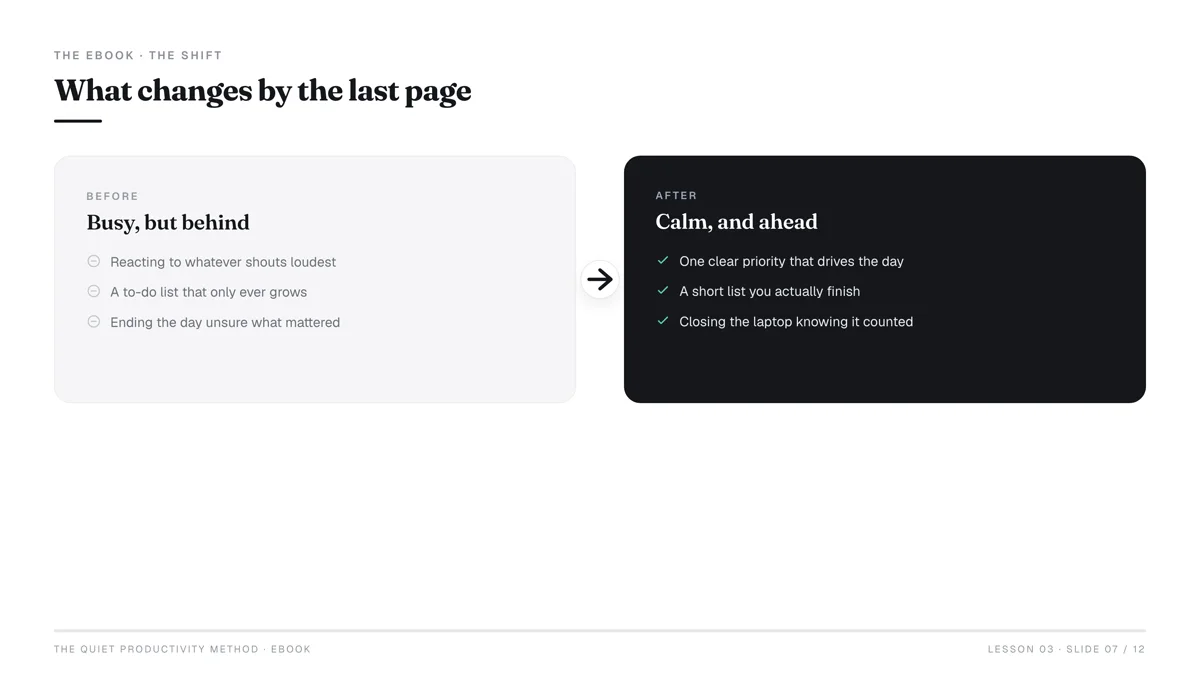
This common misconception suggests that if your product is good enough, people will naturally discover it and flock to buy it. In today's crowded digital landscape, this couldn't be further from the truth. Without a defined niche, your product becomes a generic offering lost among millions. It lacks a specific appeal to a specific group, making marketing an uphill battle and profitability an elusive dream. A strong niche acts as a beacon, guiding your ideal customers directly to your solution.
The Cost of a Poor Niche Choice
The true cost of a poorly chosen niche isn't just lost revenue; it's lost time, energy, and motivation. Every hour spent on product development, marketing, and customer support for a product nobody wants is an hour you could have invested in a genuinely profitable venture. It leads to burnout and often causes aspiring entrepreneurs to abandon their dreams entirely. A well-researched niche, conversely, provides clarity, reduces risk, and accelerates your path to profitability by focusing your efforts where demand already exists.
How Do I Identify Untapped Market Demand?
Finding an untapped market isn't about inventing a completely new need; it's about uncovering existing problems that are poorly addressed or solutions that can be significantly improved. This process requires a blend of introspection, competitive analysis, and data-driven research.
Step 1: Brainstorm Your Broad Interests & Skills
Before diving into external research, take stock of your own unique assets. What are you genuinely interested in? What skills do you possess, even if they seem mundane? What problems have you personally solved for yourself or others?
- What do you know deeply? (e.g., specific software, a hobby, a professional field).
- What are you good at? (e.g., writing, graphic design, organizing, teaching, coding).
- What problems have you solved for yourself or others? (e.g., streamlining a workflow, learning a new skill efficiently, managing finances).
- What topics are you passionate about learning more about? (Passion can fuel persistence through challenges).
Jot down a wide range of ideas without judgment. This initial brainstorm provides a fertile ground for deeper exploration.
Step 2: Spy on the Competition (Ethically)
Your competitors are a goldmine of information. They've already done the hard work of identifying a market and validating products. Your goal isn't to copy them, but to understand what's working, what's missing, and where you can differentiate.
- Explore Marketplaces: Spend hours browsing best-seller lists on platforms like Etsy (for printables, templates, digital art), Gumroad (for courses, e-books, software presets), Shopify stores (for a broader range of digital products), and even Amazon KDP (for e-books and low-content books).
- Analyze Top Sellers: What are their products? How are they priced? Who are they targeting? Read their product descriptions and sales copy.
- Mine Reviews for Gaps: This is crucial. Look at both positive and negative reviews.
- Negative reviews: What are people complaining about? What features are missing? What problems did the product fail to solve? These are your opportunities for improvement.
- Positive reviews: What do people love? This tells you what's working well and what aspects of a product resonate most with customers. Can you replicate or enhance these positive elements?
- Example: On Etsy, you might see a popular "digital planner" with reviews wishing it had a specific template for budgeting or goal-setting. This points to a potential niche for a "digital financial planner" or "goal-setting digital planner."
Step 3: Leverage Trend Data & Search Volume
Data doesn't lie. Tools that show search trends and volume are invaluable for validating demand.
- Google Trends: This free tool trends.google.com allows you to see the popularity of search queries over time and across different regions.
- Look for rising or stable trends: A niche with growing interest is often a good sign. Avoid topics with rapidly declining interest unless you have a very specific, short-term strategy.
- Compare keywords: Pit potential niche ideas against each other (e.g., "digital planner" vs. "notion template" vs. "procreate brushes") to see relative interest.
- Analyze related queries: Google Trends often suggests related searches, which can uncover sub-niches you hadn't considered.
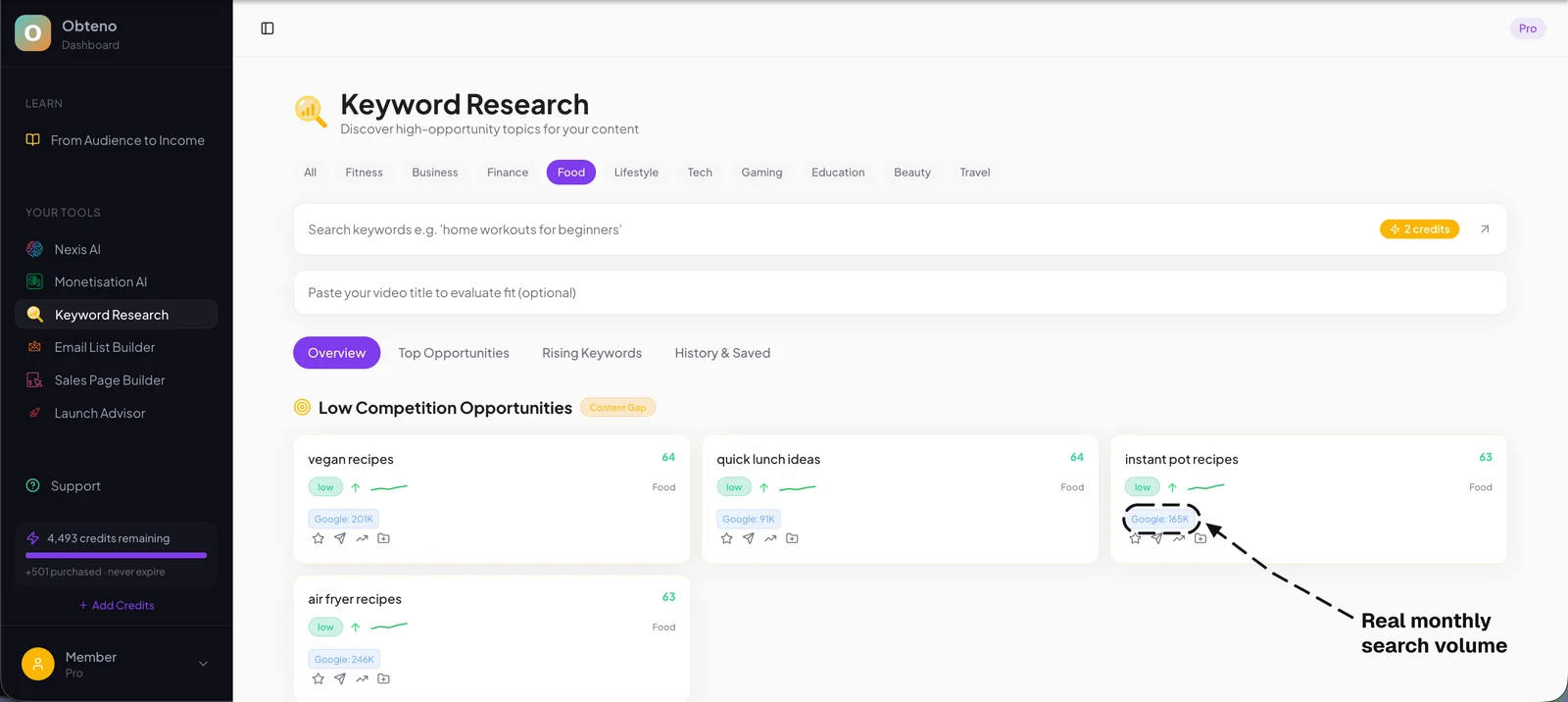
- Basic Keyword Research: While advanced tools exist, even a simple Google search can reveal search volume indicators. Look for auto-suggested terms and "People also ask" sections. These show common questions and specific long-tail keywords that indicate user intent.
- Example: Searching for "digital planner" might reveal "undated digital planner," "digital planner for students," or "free digital planner templates." The more specific, longer phrases often indicate a niche with clearer intent and potentially less competition.
Don't just look for solutions; look for frustration. People are most willing to pay for solutions to problems that cause them significant pain, inconvenience, or stress. Identifying these pain points is the fastest route to a profitable niche.
Step 4: Explore Communities & Forums
People actively discuss their problems and seek solutions in online communities.
- Reddit: Search for subreddits related to your broad interests. Look at popular posts, frequently asked questions, and common complaints.
- Facebook Groups: Join groups relevant to your potential audience. Observe discussions, polls, and the types of content that get the most engagement.
- Quora: Browse questions related to your niche. What are people struggling with? What advice are they seeking?
- Online Courses/Forums: Look at the comments sections of popular online courses or specialized forums. What are students asking for beyond the course material?
These communities offer raw, unfiltered insights into your target audience's needs, desires, and pain points, often revealing specific underserved segments.
What Types of Digital Products Are Most Profitable for Beginners?
While virtually any digital product can be profitable, some types offer lower barriers to entry, quicker creation times, and clearer paths to market for beginners. The key is to match the product type to the specific problem you're solving and your available skills.
Low-Barrier-to-Entry Products
These products typically require less technical expertise or upfront investment, making them ideal for those just starting out.
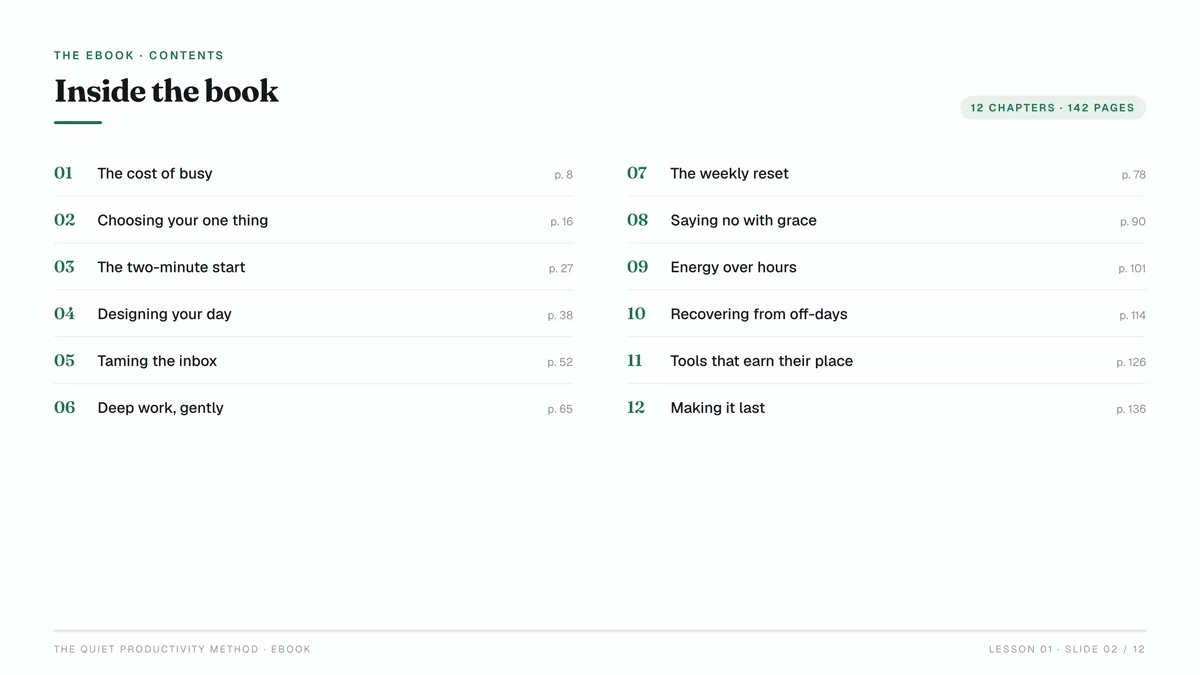
- Ebooks/Guides: If you can write and organize information, you can create an ebook. Focus on solving a specific problem or teaching a particular skill.
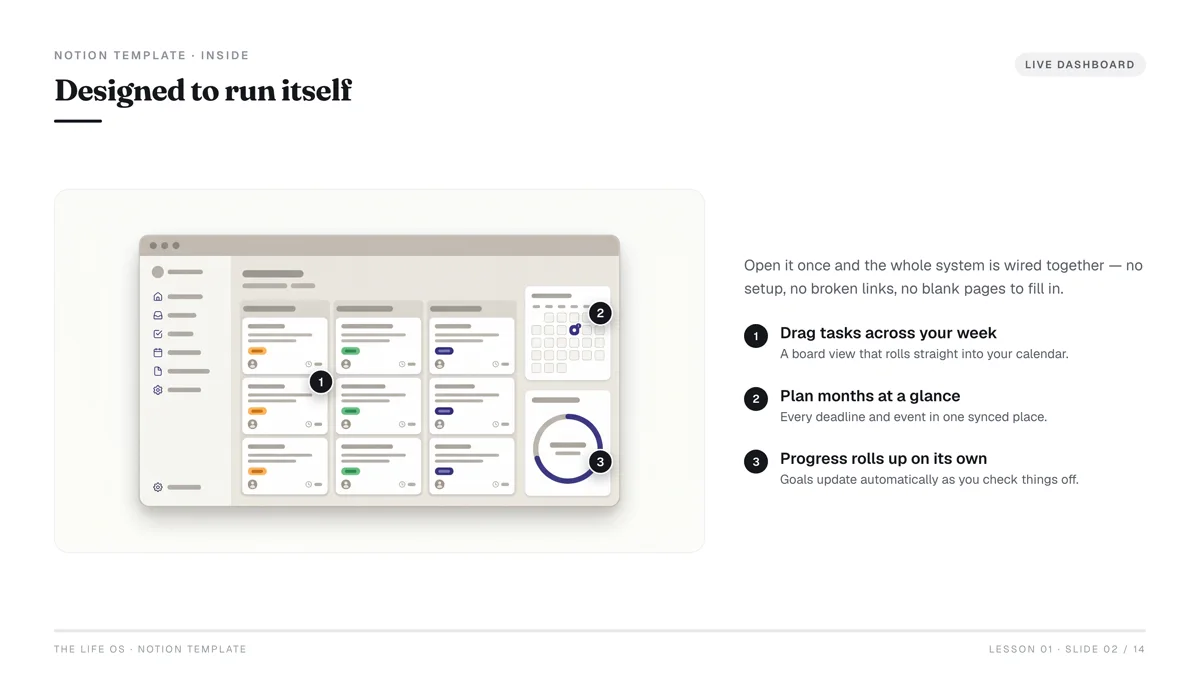
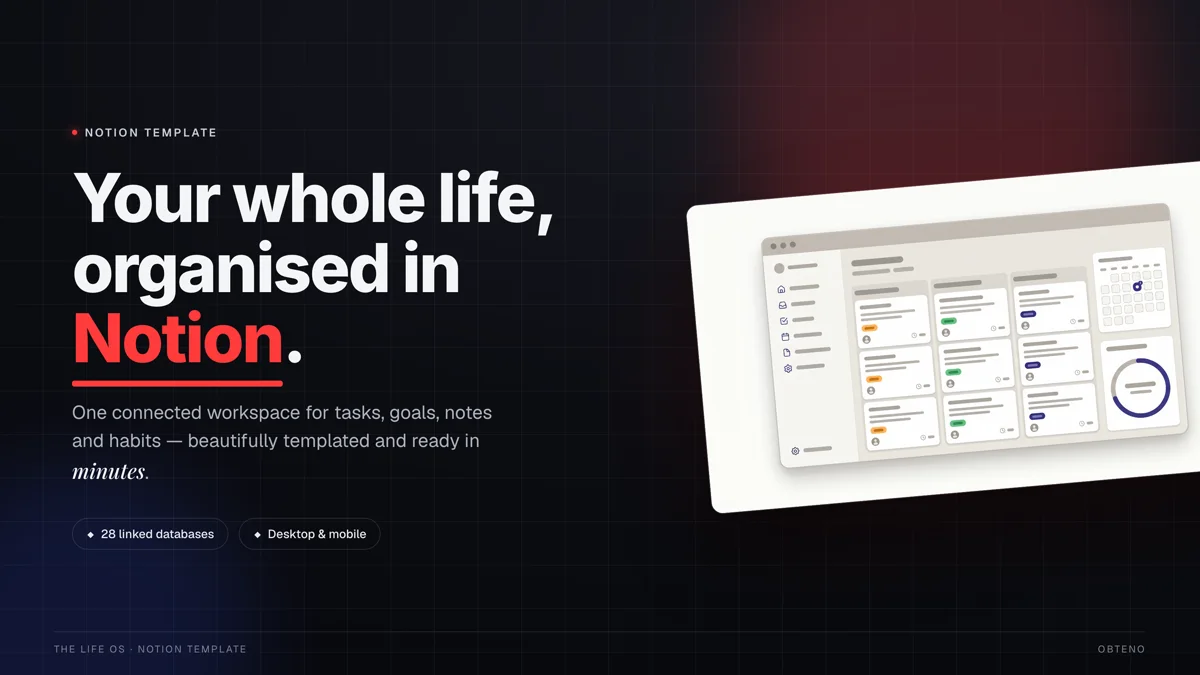
- Templates (Canva, Notion, Excel): People pay for convenience. Pre-designed templates for social media, resumes, planners, or project management save users time and effort. Canva and Notion offer powerful free tiers for creation.
- Printables: Digital files designed to be printed at home (e.g., planners, trackers, wall art, educational worksheets). These are highly popular on marketplaces like Etsy.
- Stock Photos/Videos/Audio: If you have photography, videography, or audio recording skills, you can sell your media assets.
- Software Presets (Lightroom, Procreate, etc.): For designers and photographers, selling custom presets or brushes can be very lucrative.
High-Value, Problem-Solving Products
As you gain experience, you might explore products that command higher prices due to the depth of transformation or specialized functionality they offer.
- Online Courses: Structured educational content that teaches a skill or solves a complex problem comprehensively.
- Membership Sites: Ongoing access to exclusive content, community, or tools for a recurring fee.
- Specialized Software/SaaS: Custom tools designed to automate tasks or provide unique functionality (requires coding skills or significant investment).
Here's a comparison of common digital product types suitable for beginners:
| Product Type | Pros | Cons | Typical Price Range (USD) |
|---|---|---|---|
| Ebook/Guide | Low creation cost, good for sharing expertise, scalable. | Can be perceived as lower value, requires strong writing. | $9 - $49 |
| Printable/Template | Quick to create, high demand, easy to list on marketplaces. | High competition, lower price point per unit, can be easily copied. | $3 - $15 |
| Online Course | High perceived value, can command premium prices, recurring revenue. | Significant upfront time/effort, requires teaching skills, marketing complex. | $49 - $499+ |
| Software Preset | Niche appeal, good profit margins, relatively quick creation. | Requires specific software knowledge, limited audience. | $10 - $50 |

Validating Your Niche & Product Idea Before You Create
The biggest mistake you can make is investing significant time and resources into creating a product before validating that there's actual market demand and a willingness to pay. Validation is your insurance policy against wasted effort.
The Minimum Viable Product (MVP) Approach
Don't aim for perfection on your first attempt. Instead, create a Minimum Viable Product (MVP)—the simplest version of your product that delivers core value to customers and allows you to gather feedback.
- For an ebook: Create a detailed outline and a sample chapter, or even just a compelling sales page.
- For a template pack: Design 1-2 core templates instead of the full suite.
- For a course: Outline the modules and record an introductory lesson.
The goal is to test your assumptions with minimal investment.
Pre-Selling & Waitlists
The ultimate validation is someone opening their wallet. Pre-selling allows you to gauge true interest before your product is even finished.
- Gumroad's Pre-Order Feature: Platforms like Gumroad allow you to set up a product page and accept pre-orders. If you hit a certain number of pre-sales, you know you're onto something. If not, you can refund easily and pivot.
- Waitlists: Collect email addresses from interested potential customers. The number of sign-ups indicates demand. You can also survey your waitlist subscribers to refine your product.
Direct Feedback Loops
Engage directly with your potential audience.
- Surveys: Use free tools like Google Forms or SurveyMonkey to ask targeted questions about their problems, desired solutions, and willingness to pay.
- Interviews: Conduct brief (15-30 minute) one-on-one interviews with people in your target demographic. Ask open-ended questions to understand their needs deeply. Offer a small incentive (e.g., a gift card) for their time.
Your market research isn't done until someone has paid you for your idea, not just your product. If people are willing to commit money (even a small amount) based on a description or a simple prototype, you've found a strong signal of demand.
Crafting Your Unique Selling Proposition (USP)
Once you've identified a promising niche, the next step is to define what makes your solution stand out. Your Unique Selling Proposition (USP) is the core reason customers should choose you over the competition. It's not just a slogan; it's the specific benefit you offer that no one else does, or does as well.
1. Who is Your Ideal Customer? (Persona Development)
Go beyond broad demographics. Create a detailed persona for your ideal customer:
- Demographics: Age, occupation, income, location.
- Psychographics: Goals, challenges, values, fears, aspirations.
- Pain Points: What specific problems does your product solve for them?
- Desired Outcomes: What transformation are they seeking?
Understanding your ideal customer deeply allows you to tailor your product and messaging precisely.
2. What Specific Problem Do You Solve?
Your product must address a clear, identifiable problem. The more acute the problem, the more valuable your solution will be.
- Is it saving them time?
- Is it saving them money?
- Is it reducing stress?
- Is it helping them achieve a goal?
- Is it teaching them a valuable skill?
Clearly articulate the problem your product solves.
3. Why Are You Different/Better?
This is the heart of your USP. Based on your competitor analysis, how will your product differentiate itself?
- Superior Quality: Is your design more professional, your content more comprehensive, or your code more robust?
- Unique Features: Does your product offer a feature or combination of features that others don't?
- Specific Niche Focus: Are you serving a hyper-specific sub-niche better than generalists? (e.g., "digital planner for remote workers" vs. "digital planner").
- Better User Experience: Is your product easier to use, more intuitive, or more aesthetically pleasing?
- Price Point: Are you offering premium value at an accessible price, or a luxury experience?
Here’s a numbered list to help define your USP:
- Identify your target customer's core problem: Be as specific as possible.
- Brainstorm all possible solutions: Including your competitors' and your own.
- List your product's unique features/benefits: What does it actually do?
- Connect features to benefits: How do these features solve the core problem?
- Articulate your competitive advantage: Why is your solution superior or different?
- Draft a concise USP statement: (e.g., "The ultimate digital planner for busy parents, designed to bring calm to chaos with integrated family scheduling and meal planning features.")
Building Your Digital Product (And Where Obteno Fits In)
Once your niche is validated and your USP defined, it's time to build. The good news is that creating high-quality digital products is more accessible than ever, thanks to a wealth of powerful tools.
Tools for Creation
The right tools can drastically reduce your creation time and elevate the quality of your product.
- For Ebooks & Guides:
- Google Docs/Slides: Free, collaborative, and excellent for text-based content or simple presentations.
- Canva: For visually appealing PDFs, worksheets, or simple ebooks. Its drag-and-drop interface makes design accessible canva.com.
- Affinity Publisher/Adobe InDesign: For professional-grade layout and typography.
- For Templates & Printables:
- Canva: Dominant for graphic-based templates (social media, planners, resumes).
- Notion: Ideal for interactive digital planners, project management templates, and knowledge bases notion.com.
- Microsoft Excel/Google Sheets: For advanced financial trackers or data-driven templates.
- For Online Courses:
- Screen Recording: OBS Studio (free), Loom, ScreenFlow, Camtasia.
- Video Editing: DaVinci Resolve (free), Adobe Premiere Pro, Final Cut Pro.
- Course Platforms: Teachable, Thinkific, Kajabi (these are not allowed for linking, but good to know for context).
- For Software Presets/Digital Art:
- Adobe Lightroom/Photoshop: For photo editing presets.
- Procreate/Clip Studio Paint: For custom brushes and digital art.
Once the niche is chosen, Obteno builds the product for it — the pages, the cover, the packaged files and the listing copy. By leveraging advanced content generation capabilities, you can quickly populate templates, draft ebook sections, or outline course modules, allowing you to focus more on strategy and less on repetitive content creation.
Pricing Strategies
Pricing your digital product is a delicate balance. Price too low, and you undervalue your work and deter high-quality customers. Price too high, and you might scare away your target audience.
- Value-Based Pricing: The most effective strategy. Price your product based on the value it provides to the customer, not just the hours you put in. If your digital product saves a business owner 10 hours a week, what is that worth to them?
- Competitor-Based Pricing: Research what similar products in your niche are selling for. Use this as a benchmark, but don't blindly copy.
- Tiered Pricing: Offer different versions of your product at various price points (e.g., a basic template pack, a premium pack with bonus features, or a coaching add-on). This allows you to capture a wider range of customers.
Example Math (for illustrative purposes, not a guarantee):If you create a niche-specific template pack that saves users 5 hours a week and sell it for $27, selling just 100 units means $2,700 in revenue. Scaling this up, or increasing the value (and price) of your offering, quickly demonstrates the potential.
Launching & Marketing Your Digital Product
Even the most profitable niche and best-designed product won't sell itself. A strategic launch and consistent marketing are essential.
Choosing Your Platform
Where you sell your digital product significantly impacts your reach, fees, and control.
- Etsy: Ideal for printables, templates, and digital art. It's a massive marketplace with built-in traffic, especially for visual products. Be aware of their fees: a listing fee ($0.20 USD per item), a transaction fee (6.5% of the sale price), and a payment processing fee (typically 3% + $0.25 USD) etsy.com.
- Gumroad: Excellent for selling a wide range of digital products directly to your audience (e-books, courses, software, music). It has a very simple setup and handles payments and delivery. Gumroad's fees are tiered, starting at 10% and decreasing with higher sales volume, plus payment processing fees gumroad.com.
- Shopify: For those who want their own branded storefront and more control over their customer experience. Shopify is a robust e-commerce platform that allows you to sell digital and physical products. It comes with a monthly subscription fee, starting around $39/month, plus transaction fees if you don't use Shopify Payments shopify.com.
- Your Own Website (WordPress with Easy Digital Downloads): Offers maximum control and no recurring transaction fees (beyond payment processor fees), but requires more technical setup and self-generated traffic.
Initial Marketing Tactics
Start promoting your product even before it's perfectly polished.
- Social Media:
- Pinterest: Highly visual, excellent for driving traffic to printables, templates, and courses. Create beautiful pins that highlight your product's benefits.
- TikTok/Instagram Reels: Short-form video is powerful for demonstrating your product in action or sharing quick tips related to your niche.
- Facebook Groups/Reddit: Share your expertise and subtly mention your product where it's genuinely helpful and allowed by group rules.
- Email List Building: Start collecting emails from day one. Offer a free lead magnet (a mini-template, a checklist, a short guide) related to your niche in exchange for an email address. Your email list is your most valuable asset for direct communication.
- Content Marketing: Create blog posts, YouTube videos, or podcast episodes that provide value around your niche. This establishes your authority, attracts organic traffic, and naturally leads people to your product.
- Collaborations: Partner with other creators in complementary niches for cross-promotion.
Don't wait for perfection. Launch an MVP, gather feedback, and iterate. Your first version won't be your best, but it will be your launched version, and that's what truly matters for learning and growth.
Frequently Asked Questions
How long does it take to find a profitable niche?
The time varies, but with dedicated research following the steps outlined, you can typically identify and validate a promising niche within 2-4 weeks. This phase is critical and should not be rushed.
Can I sell digital products without an audience?
Yes, you absolutely can. Marketplaces like Etsy provide built-in traffic, and platforms like Gumroad make it easy to share your product links. Focusing on a highly specific niche and leveraging SEO and social media marketing can attract your first customers without an existing audience.
What's the biggest mistake beginners make?
The most common mistake is creating a product based solely on personal interest or a vague idea, without first validating actual market demand and willingness to pay. This leads to wasted effort and products that no one wants to buy.
How much money can I make selling digital products?
Earnings vary widely based on niche, product type, pricing, and marketing effort. While it's not a get-rich-quick scheme, successful digital product businesses can generate anywhere from a few hundred dollars a month to five or even six figures annually with consistent effort and strategic scaling.
Do I need a website to sell digital products?
No, not initially. You can start by selling on marketplaces like Etsy or using simple platforms like Gumroad, which handle the storefront, payments, and delivery for you. As your business grows, you might consider your own website for more control and branding.
How do I protect my digital product from piracy?
While complete prevention is difficult, you can deter piracy by using watermarks on previews, offering excellent customer service (which pirates don't get), building a strong brand, and focusing on value. For higher-value products, platforms often have built-in security features like license keys or download limits.