
Why Launch a Digital Product in a Weekend? The Untapped Potential
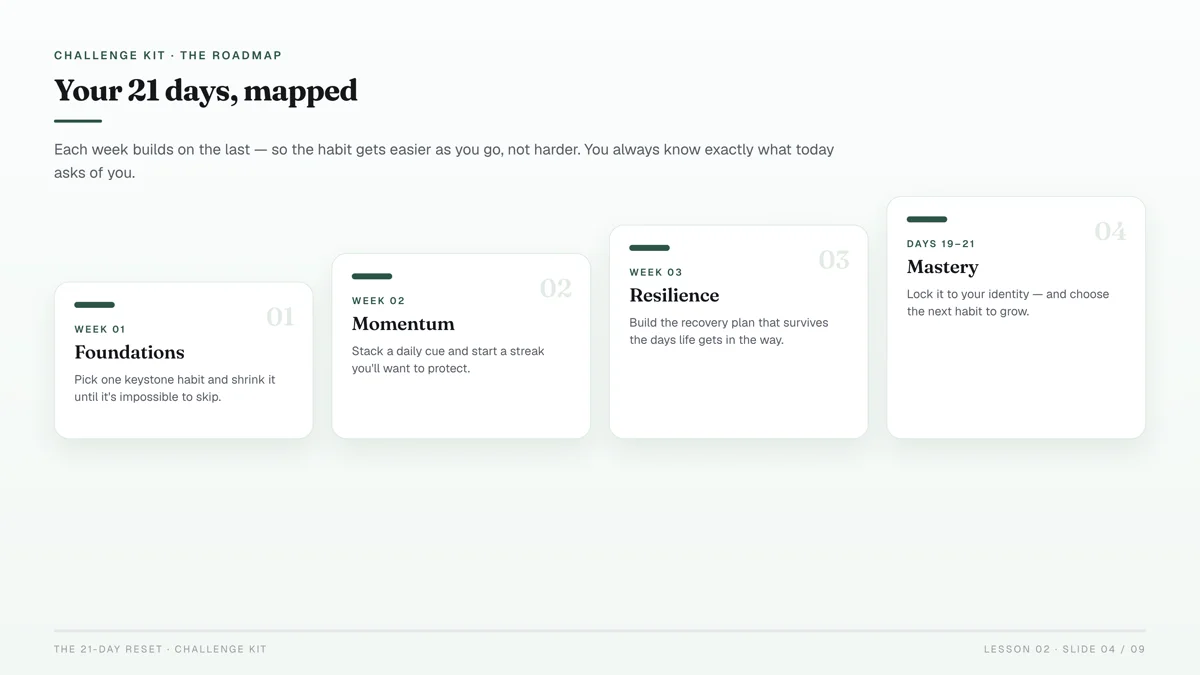
Imagine having a product generating income while you sleep, work on other projects, or spend time with family. This isn't a pipe dream; it's the reality of digital products. For many, the idea of "launching a business" conjures images of months of development, significant capital, and endless bureaucracy. But what if you could bypass much of that, go from idea to income in a mere 72 hours, and start building genuine wealth?
The digital product market is experiencing explosive growth, with digital goods playing an increasingly significant role. This isn't just about massive corporations; it's about individual creators like you. The barrier to entry has never been lower, and the potential for a new, asynchronous income stream has never been higher. Many believe building a profitable digital product business takes months, even years. Yet, the right strategy can accelerate this dramatically.
The Power of Asynchronous Income
Asynchronous income — often called passive income — means your earnings aren't directly tied to the hours you put in. Once created, a digital product can be sold repeatedly without requiring significant additional effort for each sale. Think about it: you create a template once, and it can be downloaded by hundreds or thousands of customers, each sale adding to your revenue without you needing to fulfill or ship a physical item. This frees up your time, allowing you to scale your income potential beyond the traditional hourly wage.
Low Barrier to Entry, High Scalability
Unlike physical products, digital goods require no inventory, no shipping, and often minimal upfront costs beyond your time and perhaps a subscription to a design tool. This low barrier means almost anyone with an idea and basic computer skills can get started. Furthermore, digital products are inherently scalable. Whether you sell one copy or a million, the underlying "inventory" remains the same: a digital file. This means your potential for growth is virtually limitless without the logistical headaches of physical goods.
What Digital Products Can You Create Fast? (Weekend-Friendly Ideas)
The key to a successful weekend launch is focusing on a Minimum Viable Product (MVP). This isn't about launching a half-baked idea; it's about identifying the core value you can deliver quickly and effectively. Your first product should solve a specific problem for a specific audience, even if it's simple. The goal is to get it out there, validate the demand, and gather real-world feedback.
The "Minimum Viable Product" Mindset
For a weekend launch, your MVP isn't a full-blown software suite or a 300-page magnum opus. It's the smallest possible product that delivers genuine value and solves a tangible problem. Think about what your target audience really needs right now. Can you simplify a complex process? Provide a ready-made solution? Offer a shortcut? This focus allows you to create high-quality, impactful content rapidly.
Top Weekend-Friendly Digital Products
Here are some categories perfect for a rapid, weekend creation sprint:
- Templates (Notion, Canva, Google Docs/Sheets): These are incredibly popular because they save people time and provide structure.
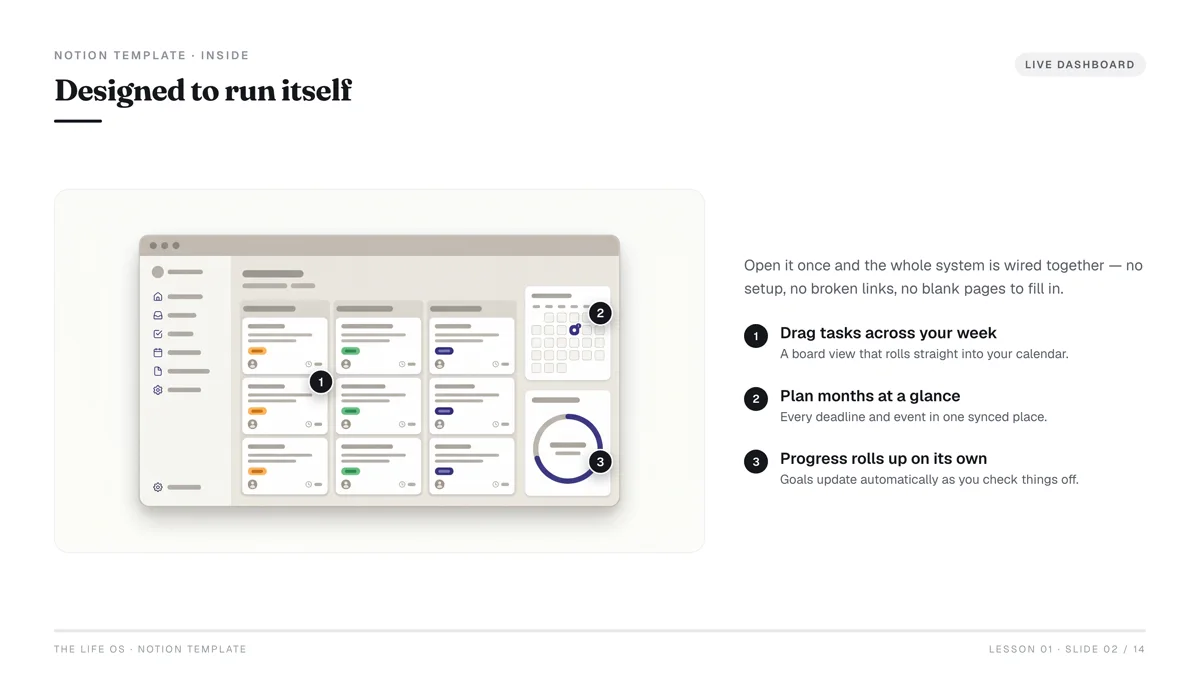
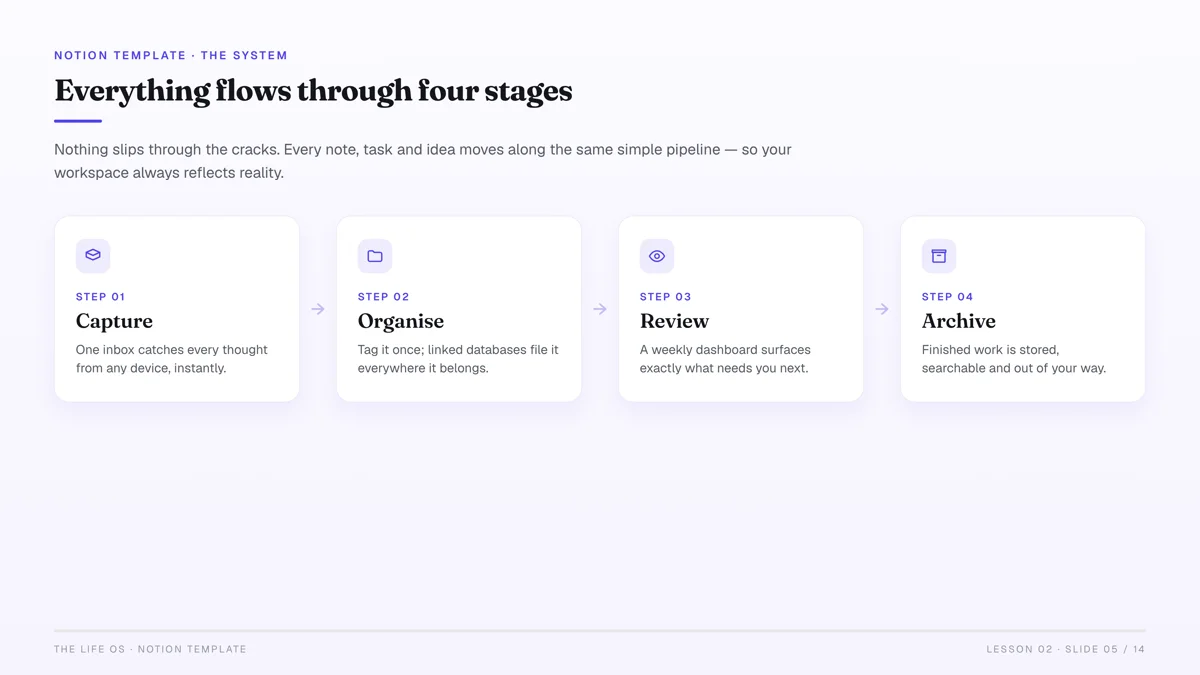
- Notion Templates: Project planners, content calendars, personal dashboards.
- Canva Templates: Social media graphics, presentations, e-book covers, invitations. Canva's extensive template library itself is proof of their demand.
- Google Docs/Sheets Templates: Budget trackers, resume templates, client onboarding forms.
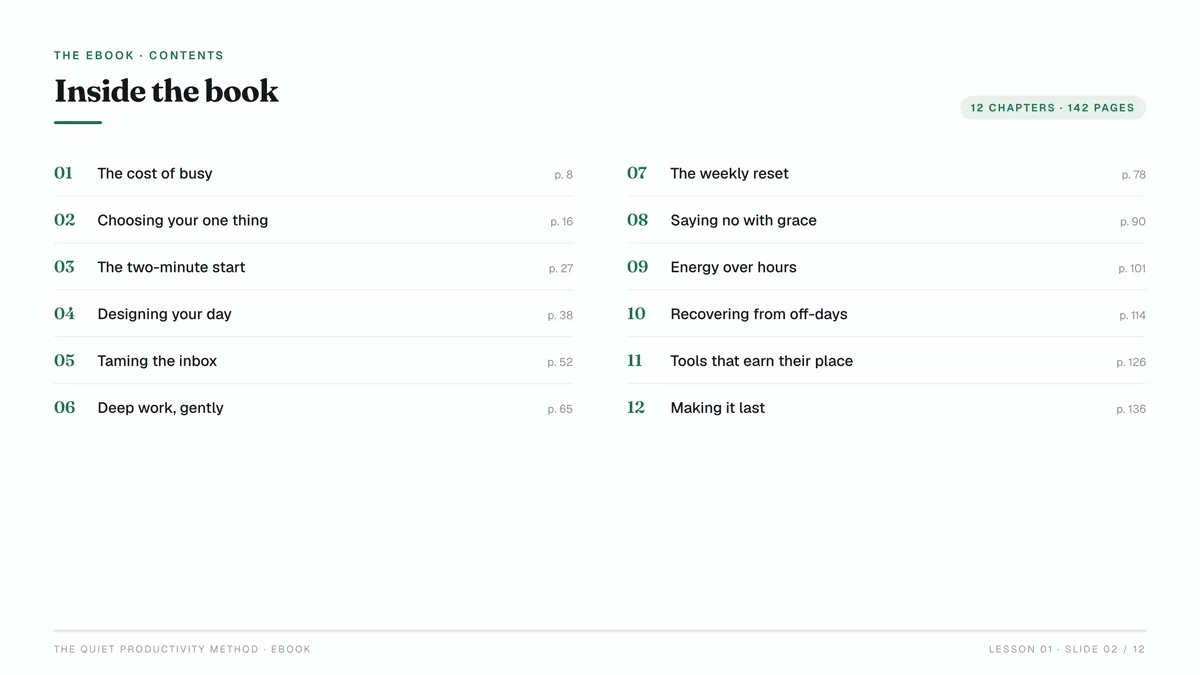
- Simple Ebooks/Guides: Focus on a single, specific problem and offer a concise solution. Don't aim for a novel; think 10-50 pages of highly valuable content. "The Beginner's Guide to Instagram Reels" or "5-Day Keto Meal Plan for Busy Moms."
- Printables (Planners, Trackers, Art): Low-cost, high-demand items.
- Planners & Journals: Daily planners, gratitude journals, habit trackers.
- Worksheets & Checklists: Goal-setting worksheets, travel packing checklists.
- Digital Art & Wall Decor: Quote prints, minimalist illustrations.
- Mini-Courses/Workshops: A short, focused video series or a single recorded workshop teaching a specific skill. "Master Instagram Stories in 30 Minutes" or "Basic Photo Editing for Entrepreneurs."
- Stock Photos/Vectors: If you have design skills or a good camera, selling niche-specific stock assets can be quick. Think "flat lay food photography" or "diverse business meeting vectors."
Don't try to invent a new category. Look at what's already selling well on marketplaces like Etsy or Gumroad in your niche, then create your unique spin or fill an unmet need within that established demand.
Here's a quick comparison of these product types for a rapid launch:
| Product Type | Creation Time (Weekend Focus) | Technical Skill Needed | Scalability | Monetization Potential |
|---|---|---|---|---|
| Templates (Notion, Canva) | Low-Medium | Basic-Intermediate | High | Good (recurring sales) |
| Simple Ebooks/Guides | Medium | Basic (writing) | High | Good (higher price point) |
| Printables (Planners, Art) | Low | Basic-Intermediate | High | Good (volume sales) |
| Mini-Courses/Workshops | Medium-High | Intermediate | High | Excellent (premium pricing) |
| Stock Photos/Vectors | Low-Medium (per asset) | Intermediate | High | Moderate (volume sales) |
Your 3-Day Sprint: The Weekend Launch Blueprint
This isn't about cutting corners on quality, but about ruthless efficiency and focusing on what truly matters for a launch.
Day 1: Ideation & Creation (Friday Evening)
Your Friday evening is about solidifying your idea and getting the core content down.
- Niche & Problem Identification (1-2 hours):
- What problem do you solve? Be specific. "Helping small business owners organize their social media content" is better than "helping people with social media."
- Who is your ideal customer? What are their pain points, desires, and existing solutions they use?
- What unique value can you offer? Even if it's a template, what makes yours stand out? Is it simpler, more aesthetically pleasing, or focused on a very niche need?
- Rapid Content Generation (3-5 hours):
- Outline ruthlessly: For an ebook, list key chapters and bullet points. For a template, map out the sections and features.
- Leverage tools: Use Canva for design, Google Docs for writing, Notion for structure. Don't get stuck on perfection. Focus on clarity and utility.
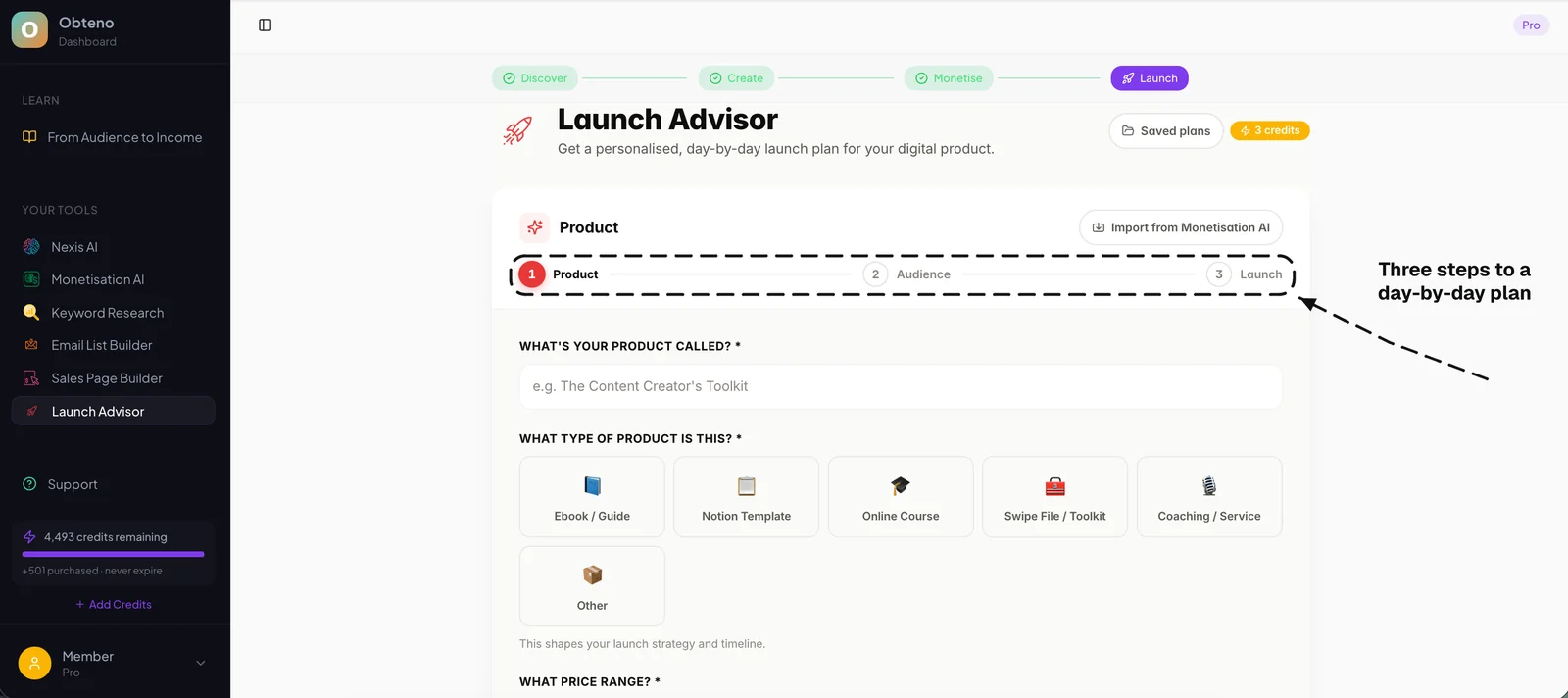
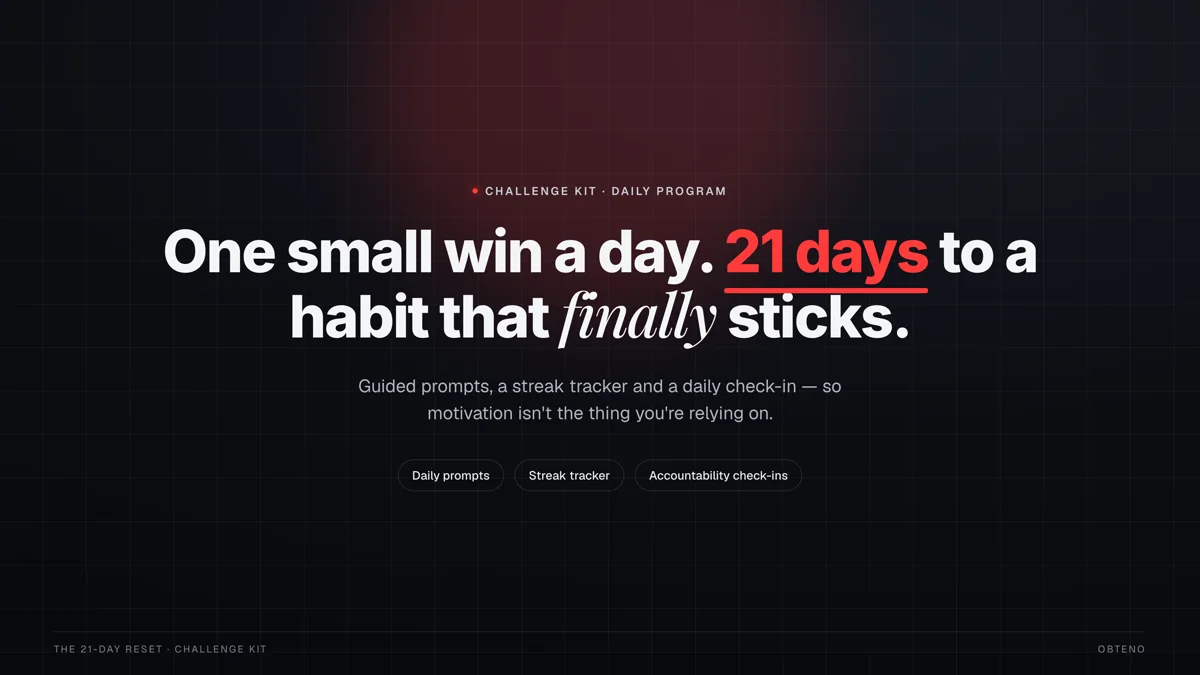
- Draft the core: Get 80% of your product content created. For an ebook, this means writing the main sections. For a template, building out the core pages. Don't worry about polishing every word or pixel yet. Obteno does this phase for you — it writes the pages, designs the cover and packages the files — which is what makes a weekend enough.
Day 2: Packaging & Platform Setup (Saturday)
Saturday is dedicated to making your product look professional and setting up the sales infrastructure.
- Designing Your Product (Visuals, Branding) (2-4 hours):
- Create a compelling cover/thumbnail: This is your product's first impression. Use Canva for quick, professional designs.
- Add branding elements: A simple logo, consistent fonts, and colors make your product feel cohesive.
- Format for user experience: Ensure your PDF is easy to read, your template is intuitive to use, and all files are organized.
- Choosing Your Sales Platform (2-3 hours):
- This is a critical decision. Consider ease of use, fees, and built-in audience.
| Feature | Gumroad | Etsy | Shopify Lite (Buy Button) |
|---|---|---|---|
| Best For | Independent creators, selling directly, building an audience, digital products only. | Crafters, artists, designers, printables, a built-in audience for unique/niche products. | Existing websites/blogs, wanting more control, expanding an existing brand. |
| Ease of Setup | Very Easy (product page in minutes) | Easy (shop setup + listing creation) | Easy (if you have an existing site; adds a button, not a full store) |
| Fees | Tiered based on lifetime sales (e.g., 10% for new sellers, decreasing with volume) Gumroad Pricing | $0.20 listing fee, 6.5% transaction fee, payment processing fee Etsy Fees | $9/month (Lite plan), plus payment processing fees Shopify Lite |
| Audience | Requires self-promotion, but good for direct sales to your community. | Large, active marketplace with discovery features. | Relies on your existing audience; no built-in discovery. |
| Customization | Basic page customization | Shop banner, profile | Full control over integration with your website |
| Delivery | Automatic digital file delivery | Automatic digital file delivery | Automatic digital file delivery |
- Gumroad: Excellent for direct sales with minimal friction. Simple to set up a product page and start selling immediately. Ideal for ebooks, templates, mini-courses.
- Etsy: If your product is highly visual, like printables, digital art, or templates for creatives, Etsy offers a massive, engaged audience. Be aware of their fees.
- Shopify Lite (Buy Button): If you already have a website or blog, Shopify Lite allows you to embed a "buy button" to sell digital products directly without needing a full e-commerce store. It gives you more control over branding.
- Pricing Strategy (1-2 hours):
- We'll dive deeper into this, but for now, aim for a clear, value-based price. Consider an introductory price for your launch.
Day 3: Launch & Initial Promotion (Sunday)
Sunday is about getting your product in front of your first potential customers.
- Crafting Your Sales Page/Listing (2-3 hours):
- Clear headline: What problem does your product solve immediately?
- Benefit-driven description: Focus on what the customer gains, not just features.
- Visuals: Use high-quality mockups and screenshots of your product in action.
- Call to action: Make it obvious how to buy.
- Social Proof (if any): Even a single testimonial or early beta tester feedback can help.
- First Marketing Push (2-4 hours):
- Leverage your existing network: Share on your personal social media, tell friends and family, reach out to anyone who might benefit.
- Email list: If you have one, send a dedicated launch email. This is often your most engaged audience.
- Relevant communities: Share in Facebook groups, Reddit communities, or forums where your target audience hangs out (ensure you follow their rules about self-promotion).
- Simple content: Create a few social media posts, stories, or a short video explaining your product.
- Setting Up Basic Analytics (1 hour):
- Most platforms (Gumroad, Etsy, Shopify) have built-in analytics. Understand where your sales are coming from and how people interact with your listing. This feedback is crucial for post-launch iteration.
How Do You Price a Digital Product for Maximum Impact?
Pricing a digital product can feel like a guessing game, but it's a strategic decision that directly impacts perceived value and sales volume. For a weekend launch, the goal isn't just to make money, but to gather data.
Value-Based Pricing vs. Cost-Plus
- Cost-Plus Pricing (Avoid for Digital Products): This involves calculating your time and expenses, then adding a profit margin. While common for physical goods, it rarely makes sense for digital products because your cost per unit is near zero after creation. Your time spent isn't the primary driver of value for the customer.
- Value-Based Pricing (Recommended): This approach focuses on the perceived value your product delivers to the customer. How much time, money, or effort does your product save them? How much better will their life/business be after using it? If your template saves someone 5 hours of work, and their time is worth $50/hour, your product offers $250 in value. Pricing it at $27-$47 suddenly seems very reasonable.
For your first launch, consider an introductory price. A "launch special" creates urgency and allows you to gather initial sales and testimonials quickly. You can always raise the price later once you have social proof and more features.
Psychological Pricing Tactics
- Charm Pricing: Ending prices with .99 or .97 (e.g., $19.99 instead of $20) can make them appear significantly cheaper.
- Bundling: Offer a "pro" version or a bundle with complementary products for a higher price point. Even if most buy the basic, it frames the perception of value.
- Anchoring: Present a higher "original" price slashed to your current price. This shows the perceived value.
Example Math:
Let's say you create a Notion template that helps freelancers manage client projects.
- Problem: Freelancers struggle with disorganization, missing deadlines, and tracking client communication.
- Value: Your template provides a centralized system, saving them 2-3 hours per week in administrative tasks and reducing stress. If a freelancer values their time at $40/hour, that's $80-$120 in saved time per week.
- Pricing: A fair value-based price might be $47-$77 for a one-time purchase, considering the ongoing weekly value. For a weekend launch, you might offer it at $27 for the first 50 customers to generate buzz.
Testing and Iteration
Your initial price is a hypothesis. Pay attention to your conversion rates. If very few people are buying, your price might be too high or your value proposition unclear. If everyone is buying immediately, your price might be too low, leaving money on the table. Don't be afraid to adjust your pricing post-launch based on feedback and sales data.
Beyond the Weekend: Sustaining and Scaling Your Digital Product
A weekend launch is just the beginning. The real work (and fun) starts after you hit publish. Your goal is to turn that initial momentum into sustained growth.
Gathering Feedback and Iterating
- Actively solicit feedback: Ask your first customers what they loved, what confused them, and what they wish your product did. Send a follow-up email a week after purchase.
- Read reviews: Pay close attention to comments and star ratings on your chosen platform.
- Implement improvements: Use this feedback to make small, continuous improvements. This could mean updating a PDF, adding a new section to a template, or clarifying instructions. These iterations improve your product's value and can lead to more sales and better reviews.
Marketing Automation and Evergreen Sales
- Email sequences: Set up an automated email sequence for new subscribers or past customers. This could include a welcome series, tips on using your product, or promotions for future products.
- Content marketing: Create blog posts, social media content, or videos related to the problem your product solves. This attracts organic traffic and positions you as an authority.
- Evergreen promotions: Instead of constant discounts, consider a "welcome discount" for new email subscribers or a permanent bundle offer.
- Affiliate programs: Platforms like Gumroad allow you to easily set up an affiliate program, letting others earn a commission for promoting your product. This can significantly expand your reach.
Expanding Your Product Line
Once you have a successful MVP, think about complementary products or variations:
- Tiered versions: Offer a "basic" and "pro" version of your product with added features or support.
- Bundles: Combine your product with other related items for a higher-value package.
- New products: Based on customer feedback, identify other problems your audience faces and create new weekend-friendly digital products to solve them. This builds a robust ecosystem around your brand.
Common Pitfalls: What to Avoid in Your First Launch
Even with the best intentions, beginners often stumble into predictable traps. Being aware of these can save you time, frustration, and ensure your weekend launch is a success.
Perfectionism Paralysis
This is perhaps the biggest killer of new ventures. The desire to make everything "just right" can prevent you from launching at all. Remember, the goal of a weekend launch is to get a viable product out there, not a flawless masterpiece. You will iterate, you will improve, and your product will evolve. Holding back for fear of imperfection means you're missing out on crucial real-world feedback and potential sales.
Neglecting Your Audience
It's easy to get caught up in the creation process and forget about the people you're trying to help.
- Don't build in a vacuum: Ensure your product truly solves a problem your target audience has.
- Don't ignore feedback: Your first customers are your most valuable resource. Listen to their suggestions and criticisms. This is how you refine your product and build a loyal customer base. The mistake we see most beginners make is assuming they know what their audience wants without ever asking or observing.
Underestimating Marketing
"Build it and they will come" is a dangerous myth, especially in a crowded digital space. Even the best product needs to be seen.
- A product is only as good as its discoverability: You need a plan to promote your product, even if it's just reaching out to your existing network.
- Marketing isn't a one-time event: Your initial launch push is just the beginning. Consistently promoting your product through various channels is essential for sustained sales. Don't launch and then disappear.
Frequently Asked Questions
What's the fastest way to get paid for my digital product?
The fastest way to get paid is often through platforms like Gumroad or Etsy, which handle payment processing and automatic digital delivery. You typically receive payouts to your bank account weekly or bi-weekly, depending on the platform's schedule.
Do I need a website to sell a digital product?
No, you don't need your own website for your first launch. Platforms like Gumroad, Etsy, or even a simple Shopify Lite "buy button" on an existing blog post allow you to sell and deliver digital products without building a full e-commerce site from scratch.
How much should I charge for my first digital product?
Start by pricing based on the value your product provides to the customer, not just your time spent. Research similar products in your niche. For a weekend launch, consider an introductory price to attract early buyers and gather testimonials, then adjust as you get more data.
What if my product doesn't sell?
If your product isn't selling, don't despair. It's an opportunity to learn. Revisit your product's value proposition, marketing message, and pricing. Gather feedback from potential customers, analyze your sales page, and iterate. It might be a simple tweak that unlocks sales.
How do I protect my digital product from being copied?
While you can't prevent all copying, you can take steps. For PDFs, disable printing and editing. For templates, remind users of terms of use. Watermarks can be used for images. Ultimately, focus on building a strong brand and community, which is harder to copy than a file.
Can I really launch a quality product in a weekend?
Yes, by focusing on a Minimum Viable Product (MVP) that solves a specific problem well. The key is to be ruthlessly efficient, leverage existing tools, and prioritize getting your core value proposition out the door rather than aiming for perfection on the first try.