
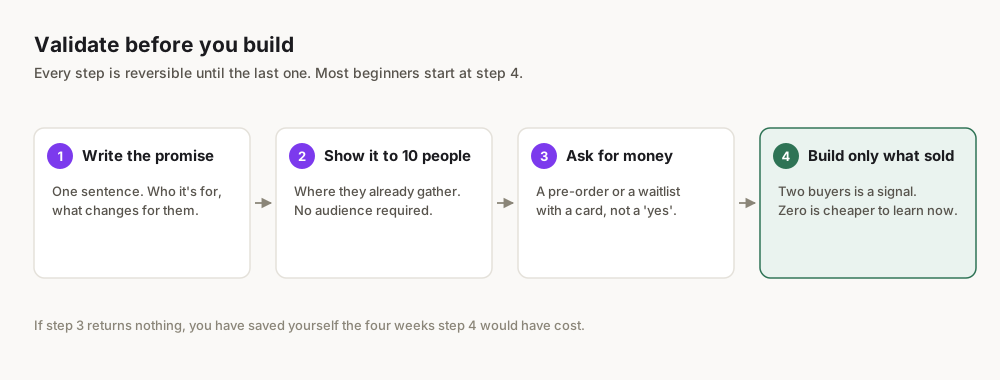
Imagine having a direct line to your most engaged audience members — a channel you own and control. That's not a dream; it's the power of email marketing for content creators, and it's more vital than ever for building a sustainable, profitable business. This isn't about sending a monthly newsletter; it's about crafting a strategic system that nurtures your community, converts followers into customers, and builds genuine loyalty.
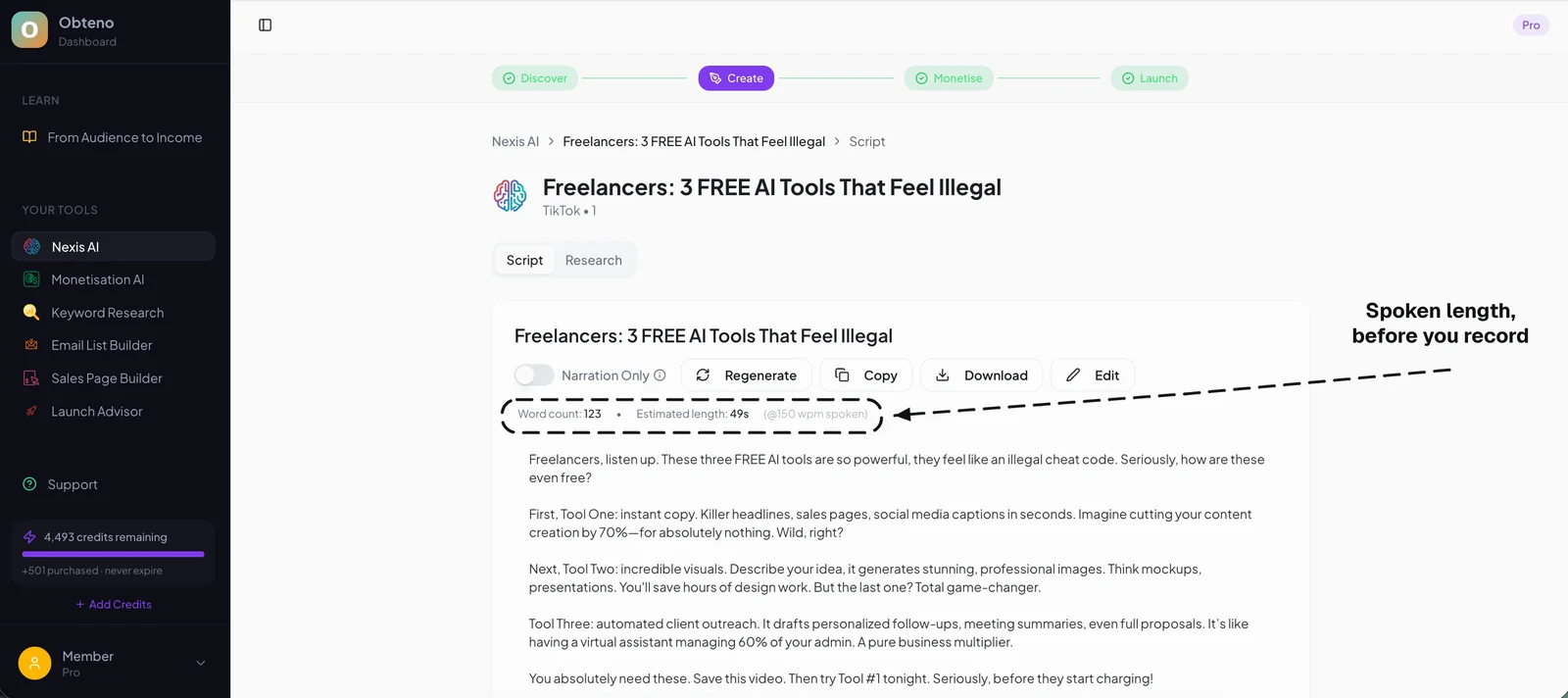
Why Email Marketing is Your Creator Superpower
For content creators, the digital landscape can feel like a shifting desert. One day, an algorithm boosts your reach; the next, it plummets. You pour hours into crafting content for platforms you don't own, building audiences you can't truly control. This dependency is a significant risk. What if YouTube changes its monetization policy? What if Instagram's algorithm decides your content isn't "engaging" enough? What if your TikTok account gets banned?
This is where email marketing steps in as your ultimate superpower. It's the antidote to platform dependency, giving you a direct, permission-based channel to communicate with your most valuable asset: your audience.
The Unshakeable Foundation of Your Business
Think of your email list as your digital real estate. While social media platforms are rented land, your email list is a home you own outright. No algorithm can suddenly decide your messages aren't seen. No platform can shut down your access to your community. This direct connection fosters deeper relationships, builds trust, and creates a loyal following far more likely to invest in your offerings.
Unlocking Predictable Revenue
Beyond just communication, email is a sales engine. It allows you to:
- Nurture leads: Guide new subscribers through a journey that introduces your value, builds trust, and positions you as an expert.
- Launch products with impact: Announce new courses, ebooks, templates, or memberships directly to your warmest audience, leading to higher conversion rates.
- Drive consistent sales: Set up automated funnels that present relevant products to segments of your audience at the right time.
- Gather invaluable feedback: Engage in two-way conversations that inform your content strategy and future product development.
In an economy where creator businesses are projected to grow significantly Forbes, having a direct revenue channel like email isn't just a nice-to-have; it's a strategic imperative for long-term sustainability and growth.
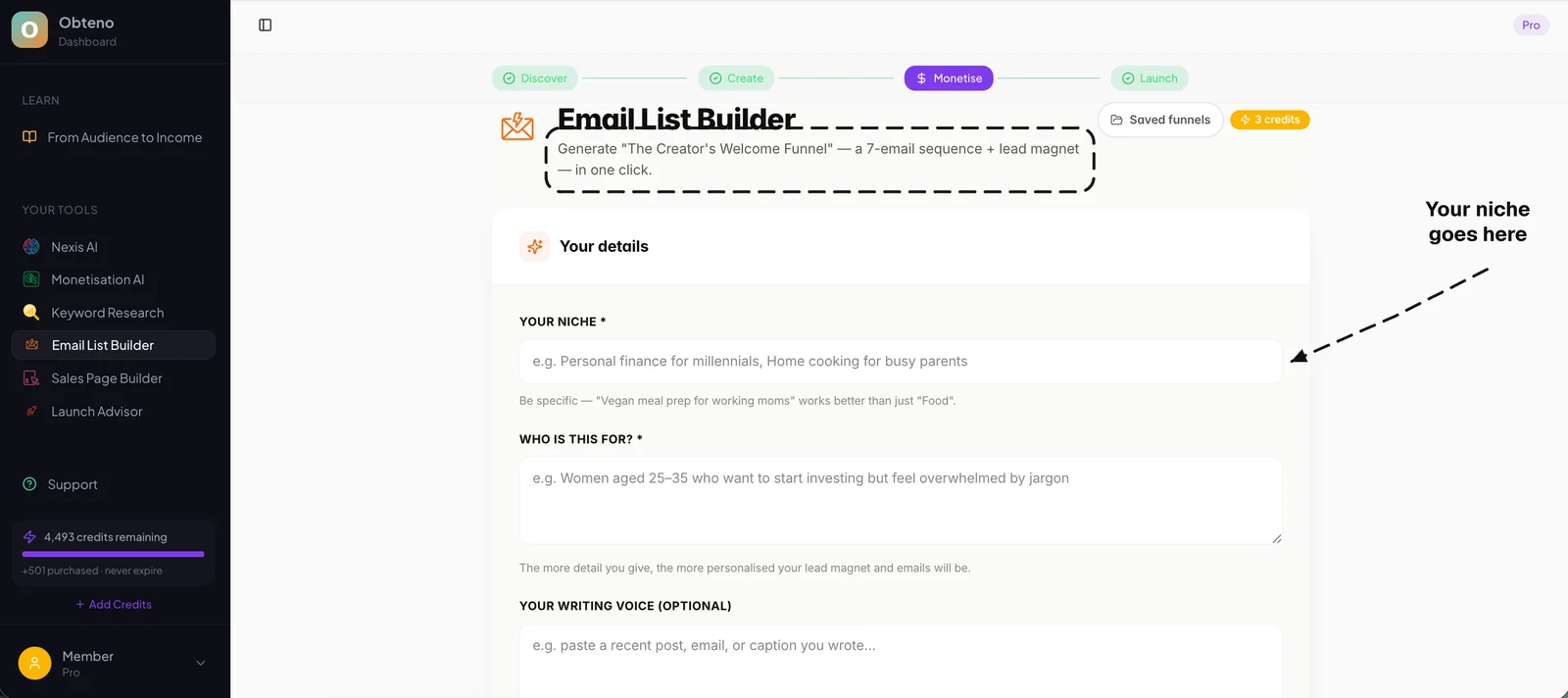
Choosing Your Email Marketing Platform: A Creator's Guide
Selecting the right email marketing platform is a foundational decision. It's not just about sending emails; it's about automation capabilities, ease of use, segmentation options, and integration with other tools you use. For creators, the focus should often be on user-friendliness, robust automation, and features that support selling digital products.
Key Considerations for Creators
When evaluating platforms, look for:
- Ease of Use: Is the interface intuitive? Can you design emails without coding?
- Automation: Can you create welcome sequences, sales funnels, and follow-ups easily?
- Segmentation: How granular can you get with segmenting your audience based on behavior or interests?
- Landing Pages & Forms: Are there built-in tools to create opt-in forms and landing pages to collect subscribers?
- Integrations: Does it connect with your website builder, e-commerce platform (e.g., Shopify, Gumroad), or payment processor (e.g., Stripe)?
- Pricing: Does it scale with your list size, and are there free tiers for beginners?
- Creator-Specific Features: Some platforms cater specifically to creators with features like paid newsletters, product hosting, or advanced tagging.
Platform Comparison for Content Creators
Here's a comparison of popular platforms suitable for creators:
| Feature/Platform | ConvertKit | MailerLite | ActiveCampaign | HubSpot (Starter) |
|---|---|---|---|---|
| Best For | Creators, Bloggers, Solopreneurs | Beginners, Small Businesses, Budget-conscious | Advanced Automations, E-commerce, CRM | All-in-one Marketing, Sales, Service |
| Ease of Use | Excellent (creator-focused) | Very Good (intuitive) | Moderate (steep learning curve for advanced features) | Good (but can be overwhelming) |
| Automation | Excellent (visual editor) | Good (drag-and-drop) | Best-in-Class (deep customization) | Good (workflow builder) |
| Segmentation | Excellent (tags, custom fields) | Good (groups, segments) | Excellent (tags, custom fields, behavioral) | Excellent (lists, properties) |
| Landing Pages | Yes, built-in | Yes, built-in | Yes, built-in | Yes, built-in |
| Free Tier | Yes (up to 1,000 subscribers, limited features) | Yes (up to 1,000 subscribers, most features) | No (free trial only) | Yes (very limited features) |
| Key Differentiator | Creator-centric features, simple selling | Value-for-money, great for starting | Powerful CRM & marketing automation | Comprehensive suite, but more expensive |
Don't get paralyzed by choice. Start with a platform that has a generous free tier (like ConvertKit or MailerLite) and is known for its ease of use. You can always migrate later as your needs become more complex. The most important thing is to start building your list.
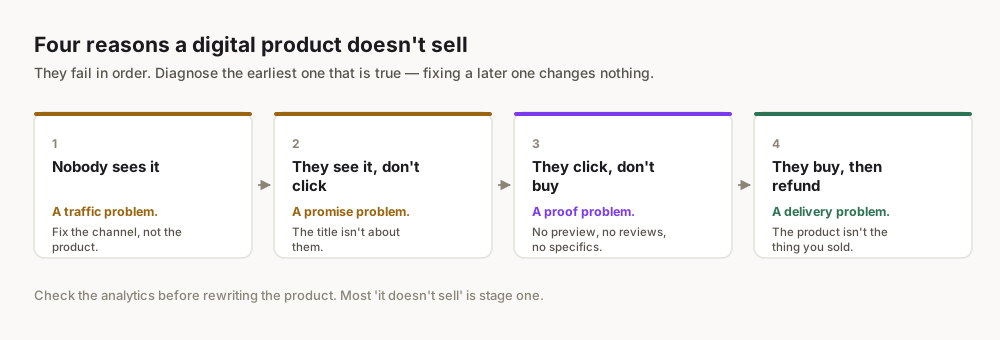
Building Your Audience: Strategies for Content Creators
An email list is only powerful if it's growing with engaged subscribers. For content creators, the key is to offer immense value in exchange for that precious email address.
Opt-In Magnets: The Value Exchange
Your "lead magnet" or "opt-in incentive" is the cornerstone of list building. It's something valuable you give away for free in exchange for an email address. For creators, this could be:
- Exclusive content: A bonus chapter of your ebook, a behind-the-scenes video, an unreleased audio track.
- Templates & checklists: A Notion template for content planning, a Canva template for social media graphics, a checklist for launching a podcast.
- Mini-guides/Ebooks: A short PDF guide on a specific topic related to your niche.
- Resource libraries: A curated collection of tools, links, and tutorials.
- Free mini-course/webinar: A condensed version of your paid offerings.
The best lead magnets directly solve a problem for your target audience and give them a taste of the quality they can expect from your paid products.
Integrating Opt-In Forms Everywhere
Once you have your irresistible lead magnet, you need to make it easy for people to get it.
- Website/Blog:
- Pop-ups: Exit-intent or time-based pop-ups can be highly effective.
- Inline forms: Embed forms within your blog posts (e.g., after the introduction, before the conclusion).
- Sidebar widgets: A persistent form on your blog's sidebar.
- Dedicated landing page: A specific page solely for your lead magnet.
- Hello bar/banner: A sticky banner at the top of your site.
- Social Media:
- Link in Bio: Your most valuable piece of digital real estate. Link directly to your lead magnet landing page.
- Call-to-Action Posts: Create content specifically promoting your lead magnet.
- Stories & Reels: Use interactive stickers or direct links (if you have the feature) to drive sign-ups.
- YouTube:
- Video Descriptions: Include a prominent link to your lead magnet.
- End Screens & Cards: Direct viewers to your sign-up page.
- Verbal Call-to-Action: Remind viewers to sign up in your videos.
- Podcast:
- Ad Reads: Mention your lead magnet in your intro, outro, or mid-roll.
- Show Notes: Include a direct link.
A simple, memorable URL for your landing page (e.g., yourdomain.com/freeguide) makes it easier to share verbally or in short-form content.
Crafting Irresistible Emails: Content & Copy That Converts
Once you've built your list, the real work begins: sending emails that people actually want to open, read, and act upon. This isn't about spamming; it's about delivering value, building a connection, and guiding your audience.
The Anatomy of a High-Converting Email
Every effective email has several key components:
- Sender Name: Use your name or your brand name consistently. People open emails from people they know and trust.
- Subject Line: This is your email's headline. It needs to be compelling enough to get opened in a crowded inbox.
- Be clear and concise: What's inside?
- Create curiosity: Ask a question, hint at a secret.
- Offer value: "Your Free Template Inside," "How to Double Your Productivity."
- Use urgency/scarcity (sparingly): "Last Chance," "Expires Tonight."
- Personalization: Include the subscriber's name if possible.
- Preview Text: This short snippet appears next to or below the subject line. Use it to further entice opens or summarize the email's core benefit.
- Personalized Greeting: Start with the subscriber's name to make it feel like a personal conversation.
- Compelling Body Copy:
- Hook: Start with a strong opening sentence that grabs attention or acknowledges a pain point.
- Value/Story: Deliver the promised value, share a relevant story, or provide useful information. Keep paragraphs short and scannable.
- Clear Call-to-Action (CTA): What do you want them to do next? Click a link? Reply? Buy a product? Make it singular and obvious.
- Sense of Urgency/Scarcity (if applicable): For promotions, gently nudge them towards action.
- P.S. (Postscript): Often the second most-read part of an email. Use it to reiterate your CTA, add a bonus, or share a final thought.
- Professional Signature: Your name, title, and a link to your website/socials.
Writing Engaging Email Copy
- Write like you talk: Be conversational, authentic, and let your personality shine through. Avoid overly formal or corporate language.
- Focus on benefits, not just features: Instead of "My course has 10 modules," say "My course will teach you to create stunning videos in just 10 easy lessons."
- Use storytelling: People connect with stories. Share your experiences, challenges, and successes.
- Break up text: Use short paragraphs, bullet points, bold text, and images to make your emails easy to read and digest.
- Mobile-first design: A significant portion of your audience will open emails on their phones. Ensure your emails are responsive and look good on small screens.
- Proofread mercilessly: Typos erode credibility.
Example: A Creator's Welcome Email
Here's a template for a first welcome email after someone signs up for your "Content Planning Template":
Subject: Welcome! Your Content Planning Template is Here! 🎉
Preview Text: Plus, a quick tip to boost your productivity this week.
Hey [First Name],
Welcome to the community! I'm so excited you're here.
Thanks for signing up for the Content Planning Template. You can download it instantly right here:
Download Your Template Now!
This template is designed to cut your content planning time in half and help you stay consistent. I've personally used it to map out my entire content calendar for months ahead, leading to less stress and more creative flow.
But before you dive in, here's a quick tip that transformed my own content process:
- Batch Similar Tasks: Instead of planning, creating, and editing one piece of content at a time, dedicate specific blocks of time to each phase. For example, Monday mornings for planning, Tuesday for creation, Wednesday for editing.
- Repurpose ruthlessly: Don't let a great piece of content live only on one platform. Turn a blog post into a video script, a podcast episode into social media snippets, or an email into a mini-guide.
I'll be sending you more actionable tips and behind-the-scenes insights to help you grow your creator business. My goal is to equip you with the strategies and tools you need to thrive.
Got a question or just want to say hi? Hit reply! I love hearing from you.
Cheers,
[Your Name]
Founder, [Your Brand]
[Your Website]
P.S. If you're looking for even more ways to streamline your content, check out my full Content Creator Toolkit here: [Link to your product]
Automating Your Creator Business: Essential Sequences
Email marketing truly shines when you leverage automation. Automated sequences, also known as autoresponders or drip campaigns, allow you to deliver timely, relevant messages without manual effort, nurturing your audience and driving sales 24/7.
The Essential Creator Email Sequences
- Welcome Sequence: This is the most critical sequence. It's your chance to make a great first impression.
- Email 1 (Immediate): Deliver the lead magnet, thank them, set expectations.
- Email 2 (Day 1-2): Share your story, your mission, and why you do what you do. Build connection.
- Email 3 (Day 3-4): Provide more free value (e.g., link to a popular blog post, YouTube video, or podcast episode). Establish your expertise.
- Email 4 (Day 5-7): Introduce your core paid offering, explaining how it solves a problem they likely have.
- Nurture Sequence: For subscribers who haven't purchased yet but are engaged.
- Regularly send valuable content (blog posts, videos, podcast episodes).
- Share testimonials or case studies related to your products.
- Occasionally re-introduce relevant products with a soft sell.
- Sales Funnel/Launch Sequence: Designed to convert subscribers into customers for a specific product.
- Pre-Launch (1-2 emails): Build anticipation, hint at an upcoming solution.
- Launch Day (1-2 emails): Announce the product, highlight benefits, include a clear CTA.
- Objection Handling (1 email): Address common concerns or FAQs about the product.
- Value/Scarcity (1 email): Remind them of the value and any limited-time offers.
- Last Chance (1-2 emails): Create urgency before a deadline or price increase.
- Post-Purchase Sequence: Don't stop communicating after the sale!
- Thank You/Onboarding (Immediate): Confirm purchase, deliver access, provide clear onboarding instructions.
- Usage Tips (Day 2-3): Offer advice on how to get the most out of their new product.
- Feedback Request (Day 7-14): Ask for a review or testimonial.
- Upsell/Cross-sell (Later): Recommend complementary products.
- Re-engagement Sequence: For inactive subscribers (e.g., haven't opened an email in 90 days).
- Email 1: "We miss you! Here's what you've missed."
- Email 2: "Still here? Let us know what you want to see."
- Email 3: "Last chance to stay subscribed." (If they don't engage, remove them to keep your list healthy and reduce costs.)
Setting Up Automation Workflows
Most email marketing platforms (like those in our comparison table) offer visual automation builders.
- Define a Trigger: What action starts the sequence? (e.g., "Subscribes to X form," "Purchases Y product," "Clicks Z link").
- Set Up Steps:
- Send Email: Choose which email to send.
- Delay: Wait a certain amount of time (e.g., "Wait 2 days").
- Condition/Decision: Check if a subscriber has taken an action (e.g., "Did they open the last email?", "Did they click the product link?").
- Action: Apply a tag, move to another sequence, remove from list.
- Map the Journey: Visually lay out the path your subscribers will take.
Start simple. Implement a solid welcome sequence first. Once that's running smoothly, gradually add more complex automations. Don't try to build everything at once.
Monetizing Your List: From Free to Paid Products
Your email list isn't just for building community; it's your most direct path to revenue. Creators can monetize their lists in numerous ways, from selling their own digital products to promoting affiliate offers.
1. Selling Your Own Digital Products
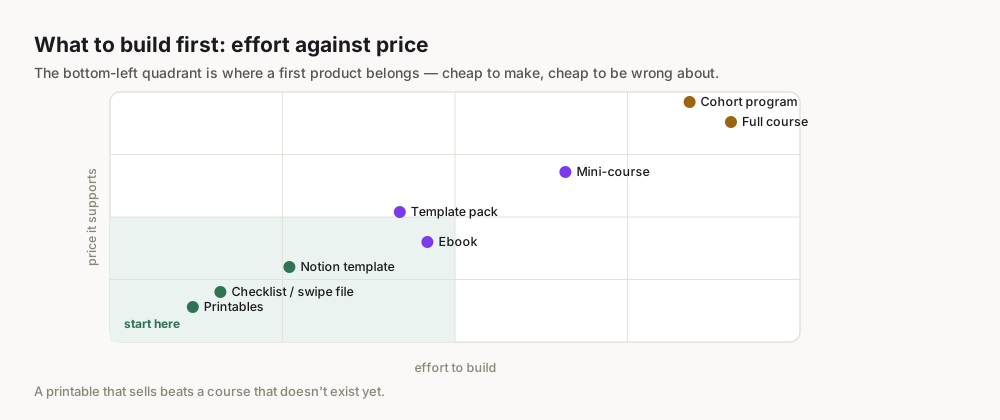
This is the most common and often most profitable monetization strategy for creators. Your email list is the perfect audience for:
- Ebooks & Guides: Deep dives into your niche expertise.
- Online Courses: Comprehensive learning experiences.
- Templates & Presets: Canva templates, Notion templates, Lightroom presets, video editing templates.
- Workbooks & Printables: Planners, journals, activity sheets.
- Memberships & Subscriptions: Access to exclusive content, community, or ongoing support.
- Digital Art & Assets: Stock photos, illustrations, sound effects.
How to sell:
- Direct Links: Use your email to link directly to your product sales page on platforms like Gumroad Gumroad, Shopify Shopify, or even your own website with Stripe integration Stripe.
- Launch Sequences: As discussed, use a dedicated sequence to build excitement and drive sales around a new product.
- Automated Product Recommendations: Based on tags or past purchases, recommend related products.
2. Affiliate Marketing
Promote products or services from other companies and earn a commission on sales made through your unique link. This works best when:
- You genuinely use and love the product: Authenticity is key.
- The product is highly relevant to your audience: Don't promote random items.
- You provide value beyond just a link: Share your experience, offer tutorials, or explain why you recommend it.
Examples for creators:
- Software tools (e.g., video editing software, website builders)
- Gear (cameras, microphones)
- Books
- Other creators' courses or products (with their permission/affiliate program)
3. Paid Newsletters & Memberships
Platforms like Substack or even certain email marketing platforms (like ConvertKit's paid newsletter feature) allow you to offer premium, exclusive content for a recurring fee. This is excellent for:
- Deep-dive analysis
- Behind-the-scenes content
- Exclusive Q&A sessions
- Community access
4. Sponsorships & Brand Deals
As your list grows and becomes highly engaged, brands may approach you for sponsored emails or dedicated segments within your newsletters. Be selective and ensure the brand aligns with your values and your audience's interests.
5. Services & Coaching
If you offer services (e.g., consulting, custom design, coaching), your email list is the perfect place to announce availability, share case studies, and drive bookings.
Example Math: Digital Product Launch via Email
Let's say you have an email list of 5,000 subscribers.
- Open Rate: A healthy 25% (1,250 people open your launch email).
- Click-Through Rate (CTR) to Sales Page: A good 10% of openers click (125 people visit your sales page).
- Conversion Rate (CVR) on Sales Page: A solid 4% conversion (5 sales).
- Product Price: $97.
- Revenue: 5 sales $97 = $485.
This is for a single email. Imagine a full launch sequence, consistent nurturing, and a larger list. The numbers quickly become significant.
Measuring Success & Optimizing Your Email Strategy
Sending emails is only half the battle; understanding how they perform is crucial for continuous improvement. Data-driven decisions will refine your strategy, boost engagement, and ultimately increase your revenue.
Key Email Marketing Metrics
Your email marketing platform will provide analytics for each campaign and automation. Focus on these core metrics:
- Open Rate: The percentage of people who opened your email.
- What it tells you: How compelling your subject line and sender name are.
- Benchmark: Varies by industry, but 20-30% is often considered good.
- Improvement tactics: A/B test subject lines, segment your audience, improve sender reputation.
- Click-Through Rate (CTR): The percentage of people who clicked a link within your email (out of those who opened it, or out of total sent).
- What it tells you: How relevant and engaging your email content and call-to-action are.
- Benchmark: 2-5% (from total sent) is often a good target.
- Improvement tactics: Clearer CTAs, more compelling copy, better link placement, fewer distractions.
- Conversion Rate: The percentage of people who completed a desired action (e.g., purchased a product, signed up for a webinar) after clicking a link in your email.
- What it tells you: The effectiveness of your entire funnel, from email to landing page.
- Improvement tactics: Optimize your landing page, ensure message match between email and landing page, refine your offer.
- Unsubscribe Rate: The percentage of people who opted out of your list.
- What it tells you: If your content is no longer relevant, too frequent, or not meeting expectations.
- Benchmark: Aim for below 0.5%.
- Improvement tactics: Segment your list, send more targeted content, manage frequency, clean your list of inactive subscribers.
- List Growth Rate: The speed at which your subscriber count increases.
- What it tells you: The effectiveness of your lead generation efforts.
- Improvement tactics: Optimize opt-in forms, create new lead magnets, promote widely.
- Bounce Rate: The percentage of emails that couldn't be delivered (hard bounces are permanent, soft bounces are temporary).
- What it tells you: The health of your list. High hard bounces mean poor quality emails.
- Improvement tactics: Use double opt-in, regularly clean your list.
A/B Testing for Continuous Improvement
A/B testing (also known as split testing) involves sending two slightly different versions of an email to a small segment of your list to see which performs better, then sending the winning version to the rest.
What to A/B test:
- Subject Lines: The most common and impactful test.
- Sender Name: Your name vs. your brand name.
- Call-to-Action (CTA): Button color, text, placement.
- Email Copy: Short vs. long, different opening hooks.
- Images: With vs. without, different images.
- Send Time: Different days of the week, different times of day.
Test one variable at a time to accurately identify what's causing the performance difference. Wait until you have statistically significant results before declaring a winner.
Advanced Tactics: Segmentation, Personalization & Beyond
Once you've mastered the basics, these advanced strategies will elevate your email marketing from good to exceptional, driving deeper connections and higher conversions.
1. Hyper-Segmentation
Segmentation is about dividing your email list into smaller, more specific groups based on shared characteristics, behaviors, or interests. The more segmented your list, the more relevant your emails can be.
Common segmentation criteria for creators:
- Interests: Based on which lead magnet they downloaded, which topics they click on, or which categories they selected in a preference center.
- Engagement Level: Active subscribers (opens/clicks regularly) vs. inactive (haven't opened in X days).
- Purchase History: Customers who bought Product A vs. those who bought Product B, or non-buyers.
- Demographics/Psychographics: (If collected) Location, goals, challenges.
- Source: Where did they sign up (e.g., YouTube, Blog, Instagram)?
How to implement:
- Tags: Apply tags when someone downloads a specific lead magnet, clicks a link, or makes a purchase.
- Custom Fields: Collect additional data during sign-up (e.g., "What's your biggest challenge with X?").
- Behavioral Triggers: Set up automations to tag users based on their actions (e.g., "If clicks link for course A, tag 'Interested_Course_A'").
2. Deep Personalization
Beyond just using a subscriber's first name, deep personalization involves tailoring the content of the email itself to their specific needs and interests.
Examples of advanced personalization:
- Dynamic Content: Show different sections of an email based on a subscriber's tag (e.g., if tagged "Beginner," show beginner tips; if "Advanced," show advanced strategies).
- Product Recommendations: Suggest products based on past purchases or browsing history.
- Content Curation: Send a weekly digest featuring content relevant only to their stated interests.
- Progress Updates: For course creators, send automated emails celebrating progress or reminding them to complete a module.
3. Leveraging Interactive Elements
Modern email clients and platforms allow for more than just static text and images. While not universally supported, consider:
- GIFs: Can add personality and quickly convey emotion or demonstrate a quick process.
- Embedded Videos (where supported): Some platforms allow direct video playback within the email, though linking to YouTube is safer for broader compatibility.
- Surveys & Polls: Gather feedback directly within the email using simple click-based polls.
4. Re-engagement & List Hygiene
Regularly cleaning your list is crucial for maintaining deliverability, improving open rates, and reducing costs.
- Identify Inactive Subscribers: Set up an automation to tag subscribers who haven't opened or clicked an email in 60-90 days.
- Run a Re-engagement Campaign: Send a sequence of 2-3 emails designed to win them back. If they don't respond, remove them from your active list.
- Double Opt-in: Always use double opt-in for new subscribers. This verifies their email address and ensures they genuinely want to hear from you, leading to a higher quality list from the start.
5. Integrating with Your Ecosystem
Your email marketing shouldn't operate in a silo. Integrate it with your other creator tools:
- Website/Blog: Ensure seamless opt-in forms.
- E-commerce Platforms (Shopify, Gumroad): Pass purchase data back to your email platform for segmentation and post-purchase sequences.
- Learning Platforms (Teachable, Kajabi): Trigger emails based on course progress.
- CRM (ActiveCampaign, HubSpot): Sync contact data for a unified view of your audience.
- Content Tools (Notion, Canva): Use these to create your lead magnets and email graphics, then link them effectively in your emails.
By implementing these advanced tactics, you move beyond basic broadcasting to truly personalized, highly effective communication that drives stronger relationships and more significant revenue for your creator business.
Frequently Asked Questions
What's the best email marketing platform for a complete beginner creator?
For a complete beginner, platforms like MailerLite or ConvertKit are excellent choices. MailerLite offers a generous free plan with most features, while ConvertKit is specifically designed for creators and offers great automation and landing page builders, also with a free tier up to 1,000 subscribers. Both are user-friendly and scale well.
How often should content creators send emails?
Consistency is key, but frequency depends on your audience and content. For most creators, 1-2 emails per week is a good starting point. This allows you to provide value without overwhelming your subscribers. During product launches, you might increase frequency temporarily. Always prioritize value over volume.
What should I send in my emails besides promotions?
Focus on delivering value. This includes sharing your latest content (blog posts, videos, podcast episodes), behind-the-scenes insights, personal stories, actionable tips, curated resources, answering common questions, and engaging your audience with polls or questions. The 80/20 rule (80% value, 20% promotion) is a good guideline.
How do I grow my email list quickly without being spammy?
Focus on creating high-value lead magnets that genuinely solve a problem for your audience. Promote these lead magnets across all your content channels (website, social media, YouTube, podcast) using clear calls to action. Consider collaborations with other creators for cross-promotion, or run targeted ads to your landing pages for faster growth.
Can I use email marketing to sell services, not just digital products?
Absolutely! Email marketing is incredibly effective for selling services like coaching, consulting, design work, or freelance writing. Use your emails to share case studies, client testimonials, explain your process, offer valuable insights related to your service, and announce your availability for bookings. Build trust and demonstrate your expertise.
Is email marketing still relevant with social media and AI advancements?
Yes, more than ever. While social media is great for discovery, email marketing provides an owned channel that's immune to algorithm changes, fostering deeper relationships and more reliable conversions. AI can actually enhance email marketing by assisting with copy generation, subject line optimization, and even personalization, making it more efficient and effective.