
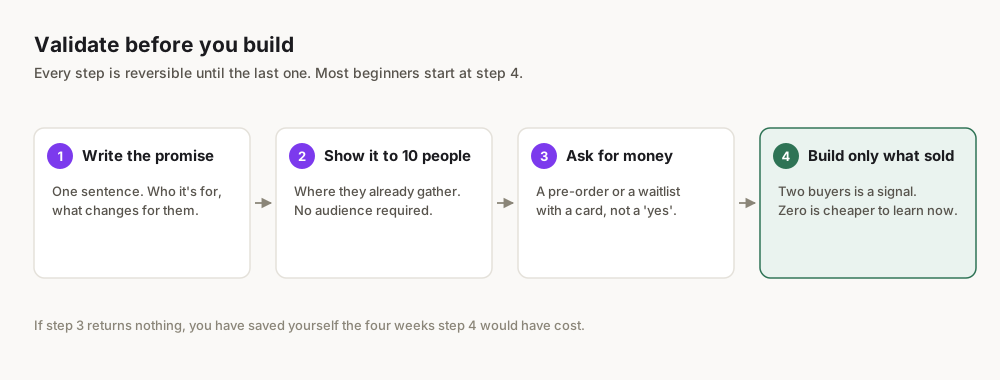
Understanding the Zero-Budget Mindset
Marketing without money isn't about doing less; it's about doing smarter. It forces creativity, resourcefulness, and a deep understanding of your audience. When you can't pay for attention, you have to earn it. This mindset shift is crucial:
- Time is Your Currency: Instead of money, you're investing your time and effort. This means being strategic about where you spend it.
- Value First, Always: Every piece of content, every interaction, every freebie must deliver undeniable value. This builds trust and authority.
- Audience-Centricity: Your entire strategy revolves around understanding your ideal customer's pain points, desires, and where they spend their time online.
- Long-Term Play: Zero-budget marketing often yields slower, but more sustainable, growth. It's about building an audience, not just making quick sales.
- Authenticity Above All: People buy from people (or brands) they trust. Be genuine, transparent, and consistent.
This approach isn't a limitation; it's a competitive advantage. While others chase fleeting trends with paid ads, you'll be building a loyal community and an evergreen marketing machine.
Is Zero-Budget Marketing Even Possible for Digital Products?
Absolutely. The digital nature of your product is actually a huge advantage when you have no budget. Unlike physical products with manufacturing, shipping, and inventory costs, digital products have near-zero marginal cost per sale. This means every sale, even if small, contributes directly to your profit and allows you to reinvest your time.
Consider the explosion of creators on platforms like Etsy, Gumroad, and even TikTok. Many started with nothing more than an idea, a laptop, and a willingness to create and share. Their "marketing" was often simply solving a problem for a niche audience, sharing their expertise, or building a community around their passion.
The key is to leverage the inherent virality and shareability of digital content, and the power of existing platforms. You don't need to build your own website from scratch to sell (though it helps later); you can start on platforms with built-in audiences. You don't need a PR agency; you can create content that organically attracts attention. The internet, at its core, is still a place for connection and information exchange, and you can tap into that for free.
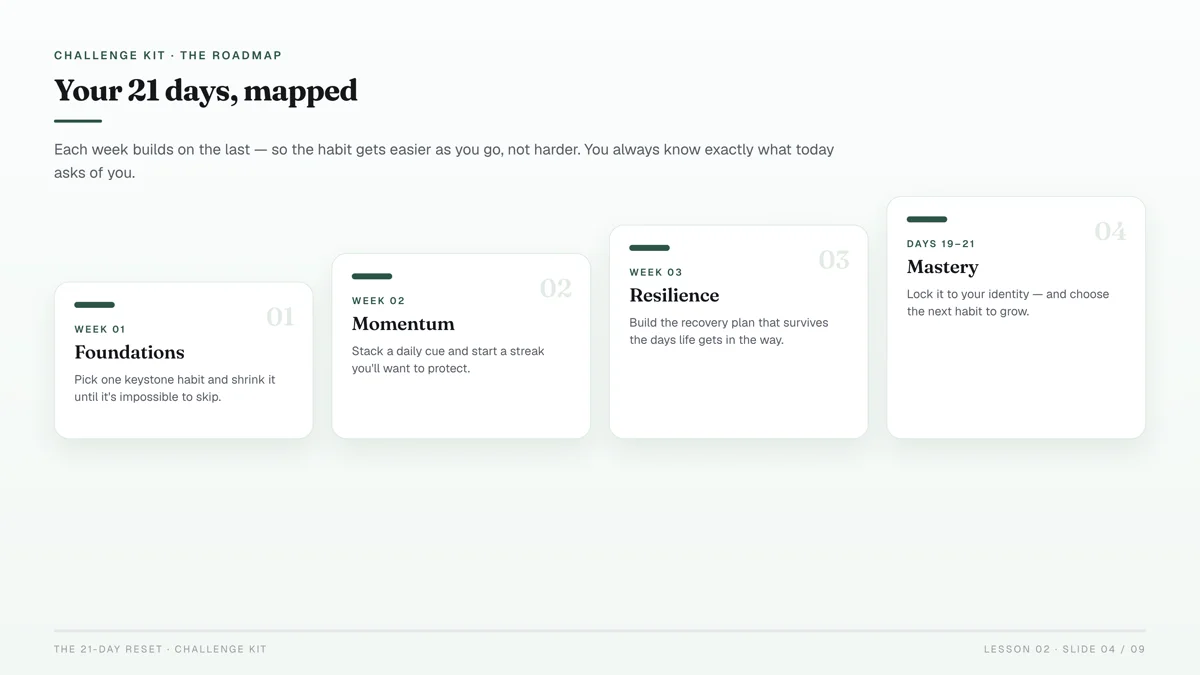
Crafting Your Irresistible Offer (The Product Itself as Marketing)
Before you even think about "marketing," you must ensure your product is genuinely irresistible. A mediocre product, no matter how well-marketed, will fail on a zero budget because it won't generate the organic buzz, word-of-mouth, and testimonials you need.
Niche Down to Stand Out
The biggest mistake beginners make is trying to appeal to everyone. When you have no budget, you cannot afford to be generic. You need to be hyper-specific.
- Who is your ideal customer? Not "small business owners," but "new Etsy shop owners struggling with product photography." Not "people who want to learn to code," but "freelance graphic designers who want to automate client invoices using Python scripts."
- What specific problem do you solve for them? Be crystal clear. Does your product save them time, money, frustration, or help them achieve a specific goal?
- What makes your solution unique? Even if the core idea isn't new, your unique perspective, design, or approach can be.
The narrower your niche, the easier it is to find your audience, speak their language, and create content that resonates deeply.
Quality and User Experience Are Non-Negotiable
Your digital product must be exceptional. This includes:
- Design & Aesthetics: Is it visually appealing and professional? Use free tools like Canva for professional-looking graphics and mockups.
- Functionality & Usability: Does it work flawlessly? Is it easy to use, understand, and implement? For templates, are they well-organized? For courses, is the content clear and engaging?
- Value Proposition: Does it over-deliver on its promise? Can users see tangible results or benefits quickly?
- Support & Resources: Even if it's just a well-written FAQ or a short tutorial video, provide resources that help users succeed with your product.
Think beyond the core product. Can you add a valuable bonus (e.g., a checklist, a mini-template, a resource guide) that costs you nothing extra to provide but significantly increases perceived value? This also makes it easier for people to share.
Content is Your Currency: Attracting Your Audience Organically
When you have no money for ads, content becomes your primary marketing engine. This isn't just about creating blog posts; it's about strategically answering your audience's questions, educating them, entertaining them, and building authority.
Blog Posts & SEO
A blog is a powerful, long-term asset. It allows you to rank for relevant keywords and attract organic traffic from Google.
- Keyword Research (Free Tools): Use Google Trends and Google's "People also ask" section to find out what questions your audience is asking. Look for long-tail keywords (more specific phrases) that have less competition.
- Problem-Solving Content: Write articles that directly address the pain points your product solves. If you sell a Notion template for freelance project management, write about "How to manage client deadlines in Notion" or "Best Notion setups for creative freelancers."
- Tutorials & How-Tos: Show your expertise. If you sell Photoshop brushes, create a tutorial on "5 Ways to use texture brushes for stunning digital art."
- Guest Blogging: Offer to write for other blogs in your niche. This gets you exposure to their audience and often provides a valuable backlink to your site (boosting your own SEO).
Social Media (Strategic & Platform-Specific)
Don't try to be everywhere. Choose 1-2 platforms where your ideal audience spends most of their time and master them.
- TikTok/Instagram Reels: Short-form video is king for discoverability.
- Show, Don't Tell: Demonstrate your digital product in action. If it's a template, show a quick walkthrough. If it's presets, show before-and-afters.
- Solve Micro-Problems: Create quick tips or tutorials related to your niche. "3 Notion hacks you didn't know about" or "How to make your photos pop with this free editing trick."
- Engage: Respond to every comment, ask questions, and build a community.
- Pinterest: A visual search engine, excellent for digital products.
- High-Quality Pins: Create multiple pins for each product and blog post, using compelling visuals and clear text overlays. Use Canva for this.
- Keyword-Rich Descriptions: Treat Pinterest like Google. Use relevant keywords in your pin titles and descriptions to improve discoverability.
- Idea Pins/Story Pins: Use these newer formats to create mini-tutorials or showcase product features.
- YouTube: If your product requires explanation or visual demonstration, YouTube is invaluable. Tutorials, product walkthroughs, and behind-the-scenes content build trust and authority.
Repurpose, repurpose, repurpose! One long blog post can become 10 social media posts, 5 short videos, a Pinterest infographic, and an email newsletter segment. Maximize the value of every piece of content you create.
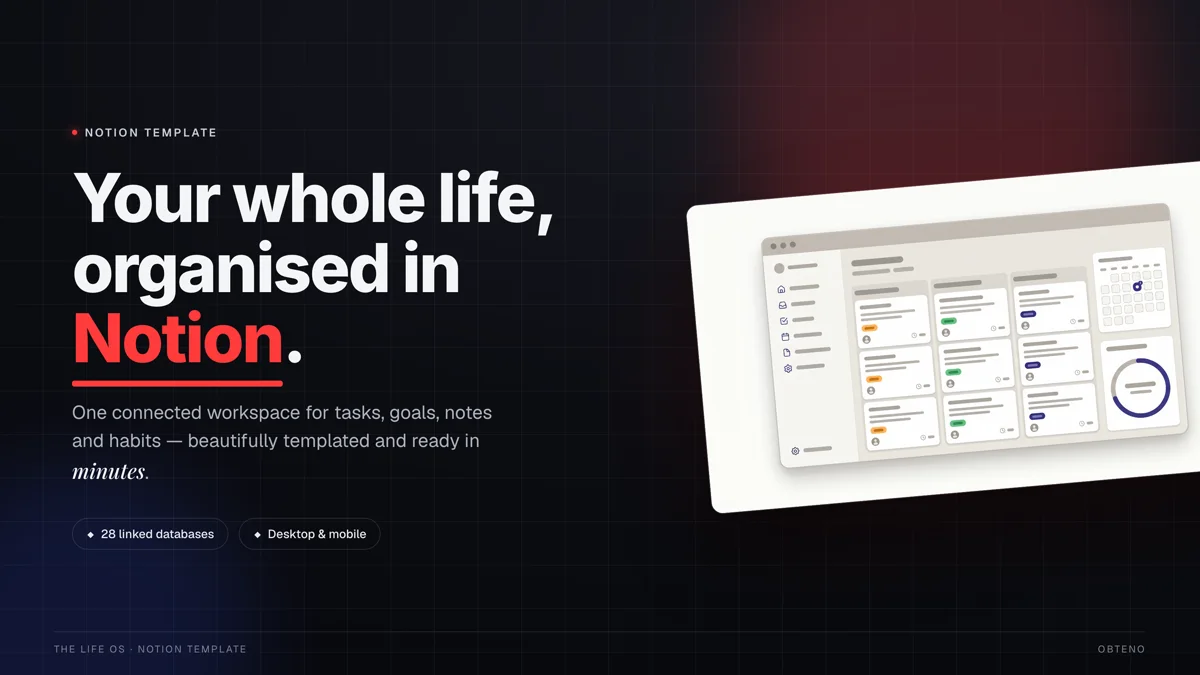
Building Community and Leveraging Existing Platforms
You don't need to build your own empire overnight. Start where your audience already exists.
Marketplaces: Your First Sales Channel
Platforms like Etsy and Gumroad offer built-in audiences and trust. They handle payments, delivery, and often some level of support, freeing you to focus on product and marketing.
| Feature | Gumroad | Etsy |
|---|---|---|
| Best For | Digital products (ebooks, courses, software, music), creators, subscriptions | Crafts, handmade goods, vintage, digital downloads (planners, art, mockups) |
| Fees (approx.) | 10% flat fee per transaction gumroad.com/pricing | $0.20 listing fee + 6.5% transaction fee + 3-4.5% payment processing etsy.com/legal/fees |
| Audience | Creator-focused, independent buyers, often tech-savvy | Large, established, global audience primarily seeking unique items |
| Customization | High (customizable storefront, email list integration) | Limited (standard shop template) |
| Marketing | You drive traffic; Gumroad can feature popular products | Etsy SEO is crucial; built-in search traffic |
| Ease of Use | Very easy to set up and start selling | Relatively easy, but more rules for listing |
Choose the platform that aligns best with your product and audience. Many creators start on one, then expand to others or their own site.
Niche Online Communities
- Reddit: Find subreddits related to your niche (e.g., r/Notion, r/DigitalArt, r/EtsySellers). Contribute genuinely, answer questions, and only share your product when it's directly relevant and allowed by community rules (often in a "share your work" thread). Spamming will get you banned.
- Discord/Slack Groups: Look for communities focused on your industry or target audience. Become a valuable member before considering any self-promotion.
- Facebook Groups: Similar to Reddit, find active groups. Provide value first.
The goal is to be helpful and establish yourself as an expert, not just to sell. When people trust you, they’ll seek out your solutions.
Unlocking Free Traffic: SEO and Social Media Tactics
Beyond general content creation, specific tactics can significantly boost your free traffic.
On-Page SEO for Your Product Listings/Website
If you have a Gumroad product page or your own Notion site, optimize it:
- Keyword-Rich Titles & Descriptions: Use the keywords your audience searches for.
- High-Quality Images/Videos: Essential for digital products. Show clear mockups, screenshots, or demo videos.
- Structured Data (if applicable): For blog posts, use schema markup (e.g., FAQ schema) to help search engines understand your content.
- Internal Linking: Link relevant blog posts to your product pages, and vice-versa.
Harnessing Hashtags & Trends
- Platform-Specific Hashtags: Research trending and relevant hashtags on Instagram, TikTok, and Pinterest. Tools exist for this, but simply observing what popular creators in your niche are using is a great start.
- Trendjacking (Carefully): If a trend aligns with your brand and product, jump on it. This can give you massive temporary reach, but ensure it's authentic and not forced.
- Collaborate on Social Media: Partner with other creators who have a similar audience but aren't direct competitors. Offer to cross-promote each other's content or products. This costs nothing but time and can expose you to new audiences.
Leveraging Public Profiles (LinkedIn, Behance, etc.)
If your product is professional (e.g., business templates, design assets), platforms like LinkedIn or Behance can be powerful.
- Showcase Your Work: Use these platforms as a portfolio for your digital products.
- Share Expertise: Post articles or updates related to your niche, subtly linking back to your product as a solution.
- Connect with Influencers: Build relationships with people who have large audiences in your space.
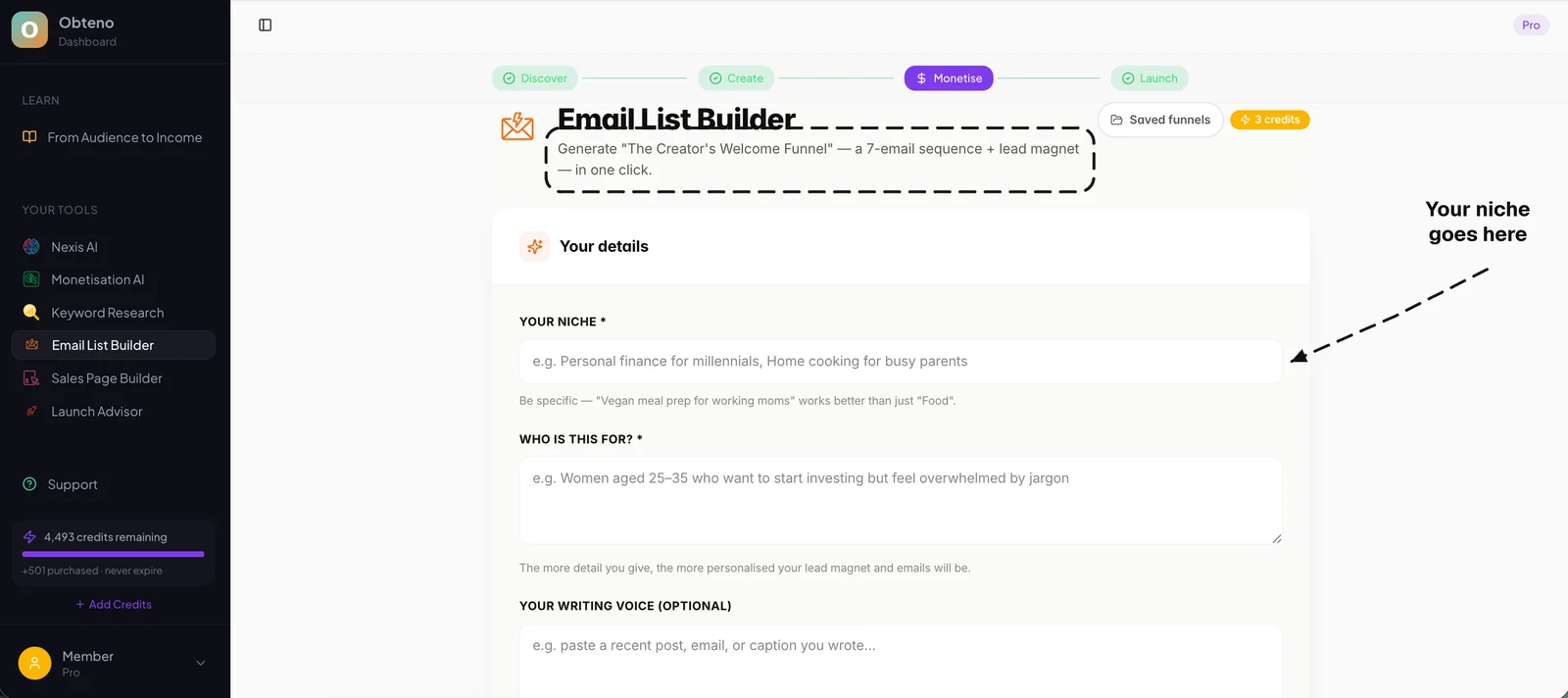
Email Marketing: Your Most Valuable Zero-Cost Asset
Building an email list is arguably the single most important zero-budget marketing strategy. Unlike social media, you own your email list. It's a direct line to your most engaged audience, immune to algorithm changes.
How to Start Your List for Free
- Free Email Service Providers: Services like MailerLite or Mailchimp offer generous free tiers (often up to 1,000 subscribers) with automation capabilities.
- Lead Magnet/Opt-in Offer: Give away something incredibly valuable for free in exchange for an email address.
- A mini-version of your digital product.
- A useful checklist or template.
- A short guide or resource list.
- Access to an exclusive mini-course.
- Placement: Place your opt-in forms strategically on your blog, social media bios, and product pages.
What to Send (Beyond Just Sales)
Your email list isn't just for selling; it's for nurturing a relationship.
- Value-Driven Content: Share exclusive tips, behind-the-scenes insights, curated resources, or personal reflections related to your niche.
- Product Updates: Inform subscribers about new features, updates, or new products.
- Early Access/Exclusive Deals: Reward your subscribers with first dibs or special discounts.
- Ask for Feedback: Engage your audience by asking what they want to see next or how you can help them.
Every email should aim to build trust, provide value, and strengthen your connection with your audience.
Strategic Partnerships and Affiliate Marketing (Without Upfront Cost)
Collaborations can multiply your reach without spending a dime.
Cross-Promotion with Complementary Creators
Find creators whose audience aligns with yours but who sell non-competing products.
- Joint Webinars/Workshops: Offer free education together.
- Bundle Products: Create a temporary bundle where you each promote the combined offer.
- Guest Content Swap: You write a guest post for their audience; they write for yours.
- Social Media Shout-outs: Simple, reciprocal promotion.
The key is mutual benefit. Both parties must see clear value in the partnership.
Setting Up a Free Affiliate Program
Platforms like Gumroad have built-in affiliate functionality. You can set a commission rate (e.g., 20-50%) for anyone who refers a sale.
- Identify Potential Affiliates: Look for bloggers, YouTubers, podcasters, or social media influencers in your niche.
- Reach Out with a Clear Offer: Explain your product, why it would resonate with their audience, and the commission structure.
- Provide Marketing Assets: Give them high-quality images, swipe copy, and unique tracking links to make it easy for them to promote.
This is a performance-based model: you only pay when a sale is made, making it a truly zero-upfront-cost marketing channel.
Measuring What Matters: Tracking Success Without Spending
Zero budget doesn't mean zero data. You need to know what's working so you can double down on effective strategies and ditch the duds.
Free Analytics Tools
- Google Analytics: Essential for tracking website traffic, user behavior, and conversion goals if you have your own site.
- Social Media Insights: All major platforms (Instagram, TikTok, Pinterest, YouTube) provide free analytics on reach, engagement, and audience demographics.
- Email Service Provider Analytics: Track open rates, click-through rates, and subscriber growth.
- Marketplace Analytics: Etsy and Gumroad provide dashboards with sales data, traffic sources, and conversion rates.
Key Metrics to Monitor
- Traffic Sources: Where are people finding your content and products? (e.g., Google search, Pinterest, a specific blog).
- Engagement Rates: Likes, comments, shares, saves on social media; time on page for blog posts. This indicates content quality and resonance.
- Conversion Rate: The percentage of visitors who take a desired action (e.g., sign up for your email list, make a purchase).
- Email List Growth: Your most valuable long-term asset.
- Customer Feedback & Reviews: Crucial for understanding satisfaction and identifying areas for improvement.
Don't get overwhelmed by data. Pick 2-3 core metrics for each marketing channel and review them weekly or bi-weekly. Focus on understanding why numbers are moving, not just what they are.
By meticulously crafting a valuable product, strategically creating and distributing free content, leveraging existing communities, and building direct relationships, you can absolutely market a digital product with zero budget in 2026 and beyond. It requires effort, consistency, and a deep understanding of your audience, but the payoff—a sustainable business built on genuine connection—is invaluable.
Frequently Asked Questions
What are the best free platforms to sell digital products?
For beginners, Gumroad and Etsy are excellent choices. Gumroad offers more flexibility for various digital product types and creator control, while Etsy provides a massive, built-in audience for specific niches like digital planners or art.
How long does it take to see results from zero-budget marketing?
Zero-budget marketing, particularly content marketing and SEO, is a long-term strategy. You might see initial traction within a few weeks (e.g., social media engagement), but significant organic traffic and sales often take 3-6 months or even longer of consistent effort.
Can I really build a full-time income with zero budget?
Yes, it's absolutely possible, but it requires significant time, dedication, and strategic effort. Many successful creators started with zero marketing budget, reinvesting their time and early profits back into their business.
What's the most important thing to focus on if I have no budget?
Focus on creating an exceptionally valuable product that solves a real problem for a specific niche. An outstanding product naturally generates word-of-mouth and positive reviews, which are the most powerful free marketing tools.
Should I create a website or just use marketplaces?
Initially, marketplaces like Gumroad or Etsy are great to get started quickly and tap into existing audiences. As you grow, consider building a simple personal website (using free tools like Notion or a free WordPress theme) to consolidate your brand, build an email list, and gain more control over your customer experience.